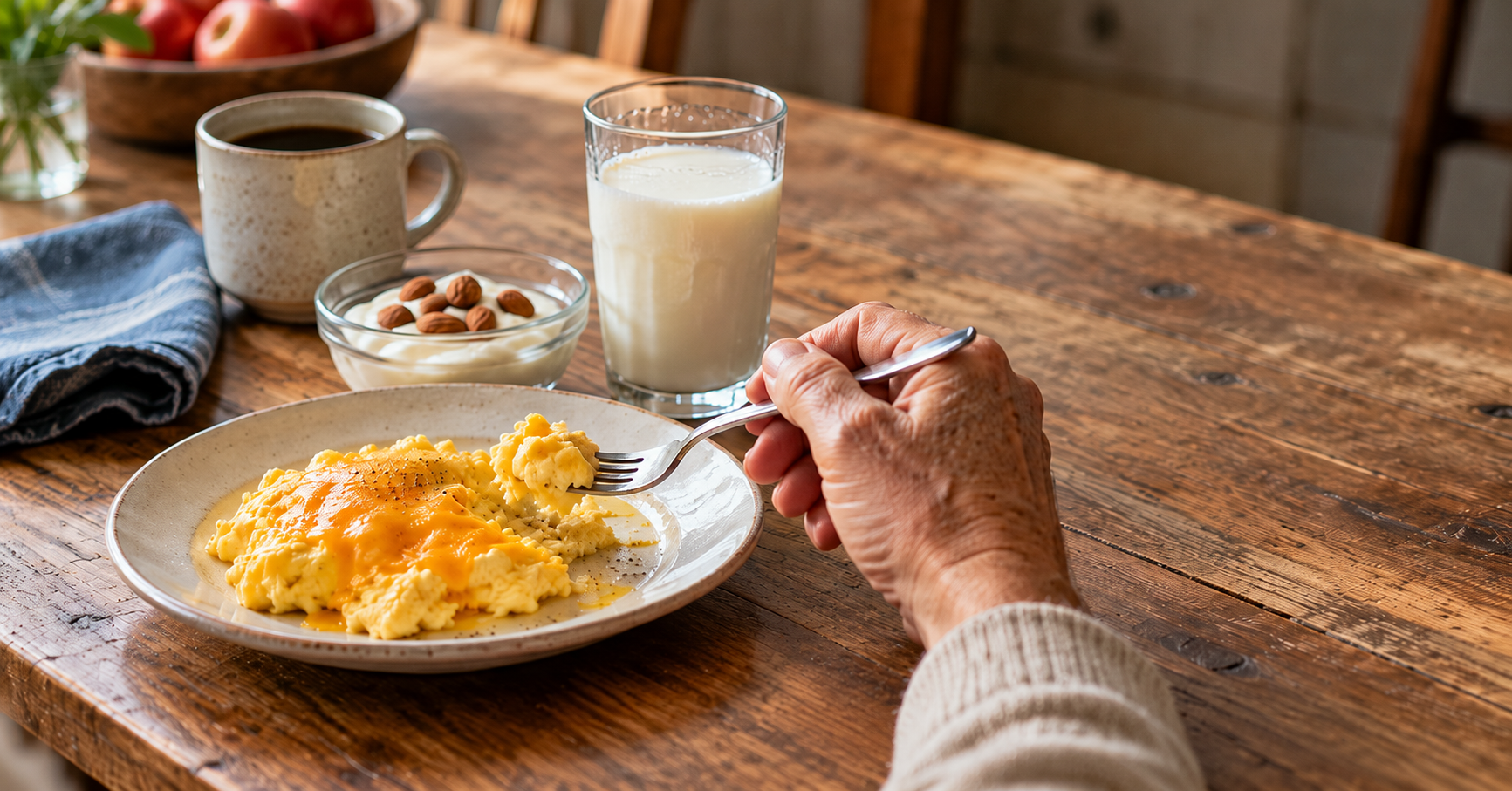

Here is something worth knowing the next time you reach for that bottle on the stove: the oil you cook with can directly affect your cholesterol, for better or for worse.
That is not a scare tactic. It is actually good news, because it means one small change in the kitchen can work in your favor.
Three cardiologists agree on which two oils come out on top. And chances are, you already know both of them.
Why the Type of Fat Matters
For a long time, many of us were told that fat was the enemy. Cardiologists say that thinking needs an update.
“The idea that all fat is bad is a significant misnomer,” says Dr. Patrick Kee, MD, Ph.D, a cardiologist at Vital Heart & Vein. “While oils are calorie-dense, their effect on your heart depends entirely on their fatty acid composition.”
Dr. Kee explains that oils high in saturated fat can raise LDL, that is, the “bad” cholesterol. Saturated fats reduce the liver’s ability to clear LDL from your blood. But monounsaturated and polyunsaturated fats do the opposite. They help your liver remove LDL and improve your overall cholesterol ratio.
Dr. Srihari S. Naidu, MD, a cardiologist and professor of medicine at New York Medical College’s Division of Cardiology, puts it simply: “Choosing the right oil can be a total win.”
The Two Best Oils: Olive and Avocado
All three cardiologists point to the same two winners: olive oil and avocado oil.
Dr. Cheng-Han Chen, MD, a board-certified interventional cardiologist and medical director of the Structural Heart Program at MemorialCare Saddleback Medical Center, explains what both oils can do. “Olive oil, especially when used in place of saturated fats in cooking, can lower bad LDL cholesterol levels, increase good HDL levels, and reduce oxidation of bad LDL, which is known to cause plaque buildup in arteries,” he says. “Avocado oil can lower bad LDL cholesterol levels, increase good HDL levels, and reduce oxidized LDL levels” as well.
Why Olive Oil Earns the Top Spot
Dr. Naidu is a firm believer in olive oil, especially extra virgin. “Olive oil is one of the best oils, especially extra virgin olive oil that has not been processed,” he says. “This oil has the highest amount of the healthy monounsaturated fat.”
One tablespoon of olive oil contains 120 calories, 10 grams of unsaturated fat, and 2 grams of saturated fat.
Beyond cholesterol, Dr. Naidu notes that olive oil also contains vitamins A, D, E, and K, as well as antioxidants called polyphenols. He adds that the benefits extend beyond heart health. Research has also linked olive oil to reduced risk of cancer and dementia, including Alzheimer’s disease.
His advice on how much to use: 1 to 2 tablespoons daily is a solid amount, and even up to 4 tablespoons is fine. Just make sure you are reaching for extra virgin. “The refined (non virgin) olive oil loses some of its antioxidant qualities,” he says, “so best to stick with EVOO.”
Avocado Oil Is a Close Second
If you prefer the taste of avocado oil (or need an oil with a higher smoke point), you are in good shape. Dr. Kee calls it “the second ‘best’ choice due to its similar monounsaturated fat profile to olive oil.”
A tablespoon of avocado oil has 120 calories, 10 grams of monounsaturated fat, and 2 grams of saturated fat. A study conducted on rats also found that avocado oil can help reduce triglycerides and LDL cholesterol.
Dr. Chen recommends roughly 1 to 2 tablespoons per day, used in place of less healthy fats like those found in butter or other saturated fat sources.
A Few Others Worth Knowing About
Dr. Naidu says a few other oils are also worth your while if you prefer them:
- Grape seed oil — rich in vitamin E and antioxidants
- Sesame oil — contains equal amounts of polyunsaturated and monounsaturated fats, with high antioxidants, though Dr. Naidu notes it is “not as balanced as olive or avocado oil.”
- Walnut oil — high in omega-3 fatty acids, antioxidants, vitamins B and E, iron, and calcium
On the other hand, Dr. Kee recommends steering clear of a few others:
- Palm oil — high in saturated fat, which raises LDL
- Partially hydrogenated oils — contain trans fats that can increase LDL and lower HDL
- Repeatedly heated oils — reusing oil, as is common in deep-frying, creates toxic compounds and trans fats that promote inflammation, Dr. Kee says
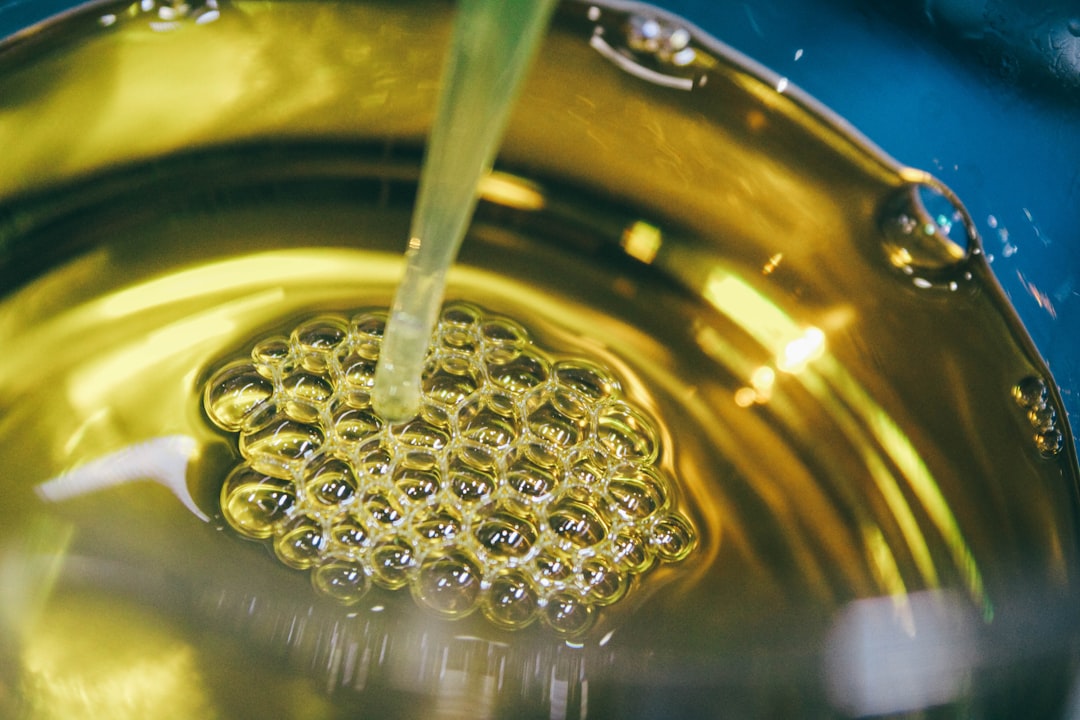
How To Shop Smart for Cooking Oil
When you are standing in the grocery aisle, here is what the cardiologists say to look for.
Dr. Chen recommends a simple, clear ingredient list, something like “100% extra virgin olive oil.” He says to avoid vague phrases like “vegetable oil blend” or anything labeled “refined.”
Dr. Kee suggests looking for “cold-pressed” or “extra-virgin” on the label, which signals minimal processing and more beneficial compounds. He also recommends checking for “high oleic content,” which means more heart-healthy, heat-stable fats. And always check the saturated fat count, the American Heart Association recommends choosing oils with less than 4 grams of saturated fat per tablespoon.
One more tip from Dr. Naidu: if you eat out, do not be shy. “Ask what oil they use when they prepare dishes,” he says. It is a simple question that can make a real difference.
The Bigger Picture
Switching to a better oil is a great start. But Dr. Kee reminds us that the whole plate matters, not just what you cooked it in.
“A healthy heart requires more than just the right oil,” he says. “A complete diet must also balance carbohydrate and fiber intake, manage total calories, and prioritize whole foods, like the whole avocado, which offers fiber and micronutrients that oil alone cannot provide.”
It is also worth remembering that even heart-healthy oils are calorie-dense. The goal is to replace less healthy fats with these better options, not simply pile them on top of what you are already using. As Dr. Kee puts it, the key is substitution, not addition.