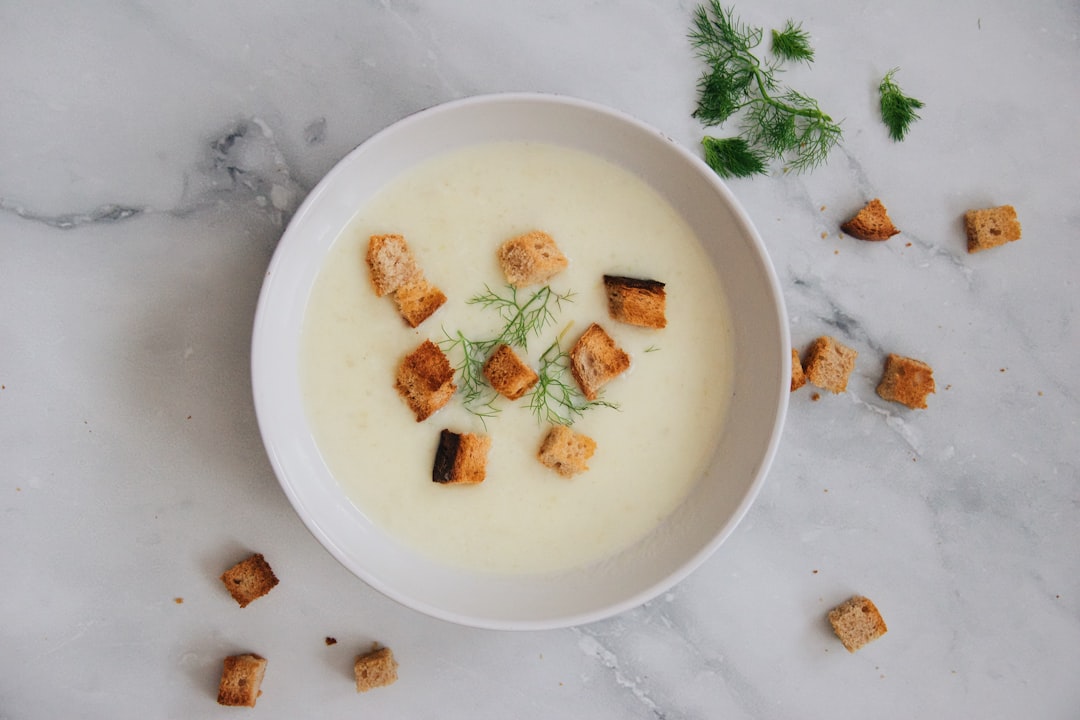
A warm bowl of soup feels like the perfect light dinner. It’s comforting, it’s simple, and it seems like a smart choice. But registered dietitians say that when it comes to canned soup before bed, that healthy reputation is a little misleading.
The problem isn’t soup itself. It’s the sodium packed into most canned versions.
The Trouble With Canned Soup at Night
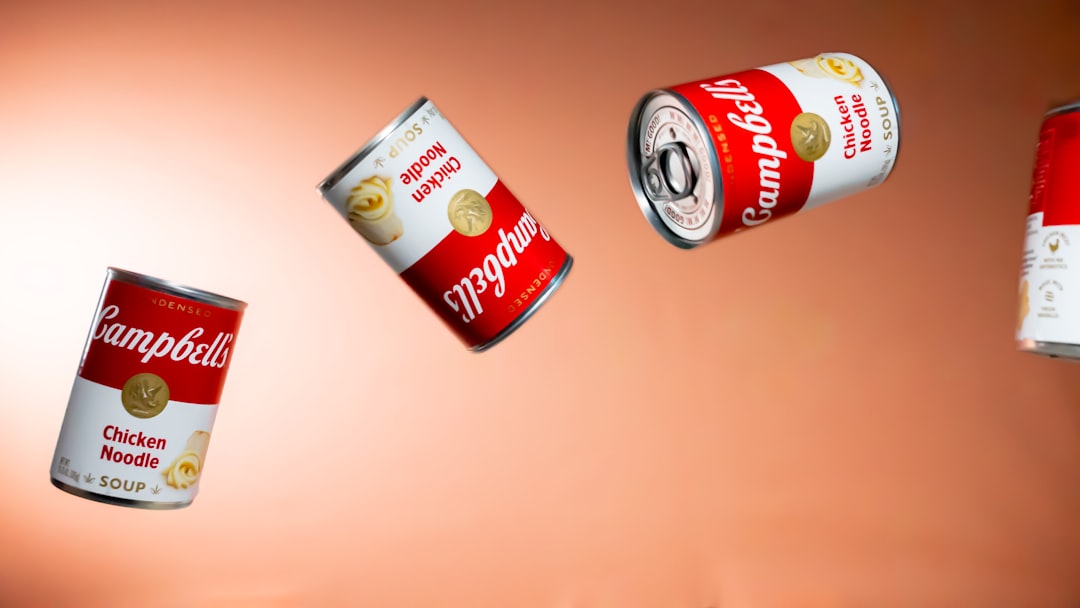
Amanda Sauceda, MS, RD, a registered dietitian, explains it plainly. The American Heart Association recommends no more than 1,500 mg of sodium per day for many people. A single can of soup can account for 50 percent of that entire daily limit.
“Canned soup can be quite high in sodium, low on veggies, and the protein is often lacking,” Sauceda says. “It’s not a balanced meal.”
That excess salt can also cause bloating. And bloating right before bed is no fun. Dr. Chris Mohr, Ph.D., RD, the fitness and nutrition advisor for Garage Gym Reviews, notes that added preservatives and large amounts of salt in soup “can make it harder to fall asleep comfortably.”
Theresa Link, RD, a registered dietitian at Virta Health, adds another concern. “A full stomach puts pressure on your esophagus, increasing the chance of reflux, which can disrupt sleep,” she explains. High sodium intake can also contribute to blood pressure concerns, which is why the DASH diet (designed to help lower blood pressure) focuses on cutting back on salt while adding potassium-rich foods.
When Should You Stop Eating Before Bed?
There’s no firm rule, but Sauceda recommends stopping eating two to three hours before you lie down. Food can stay in your stomach for up to three hours before moving on to digestion, according to the National Library of Medicine. Giving your body that window makes a real difference.
As for how much sodium is reasonable at dinner, Dr. Mohr suggests aiming for 500-700 mg. “Going lighter at night can also help with things like thirst or waking up during the night,” he says. Sauceda puts the upper end a bit higher (around 765 mg) by dividing the daily value of 2,300 mg evenly among three meals.
3 Better Dinner Options for a Good Night’s Sleep
Sauceda shared three dinner ideas that are easier on your body at night. The good news: one of them is still soup.
- A lower-sodium soup. You don’t have to give up soup entirely. Sauceda says to choose a lower-sodium option, reduce your portion size, and add extra vegetables and protein. “This is where last night’s leftover chicken would work perfectly,” she says. You can also make your own using store-bought low-sodium broth and control the salt yourself.
- A grain bowl. Build it with a grain base for fiber, then layer in beans or chickpeas, non-starchy vegetables like greens or mushrooms, your protein of choice, and a drizzle of olive oil for healthy fat. Sauceda says a well-built grain bowl checks all the boxes: protein, fat, and fiber in one meal.
- A slow cooker meal. If you still want something warm and easy to digest, Sauceda recommends the slow cooker. You set it up earlier in the day and come home to a ready meal, no risk of eating too late. Slow cooking also makes food softer and gentler on your digestive system.
The big takeaway here is simple. Soup can absolutely be part of a healthy dinner. Just skip the high-sodium canned version at night, and your sleep (and your heart) will likely thank you.