
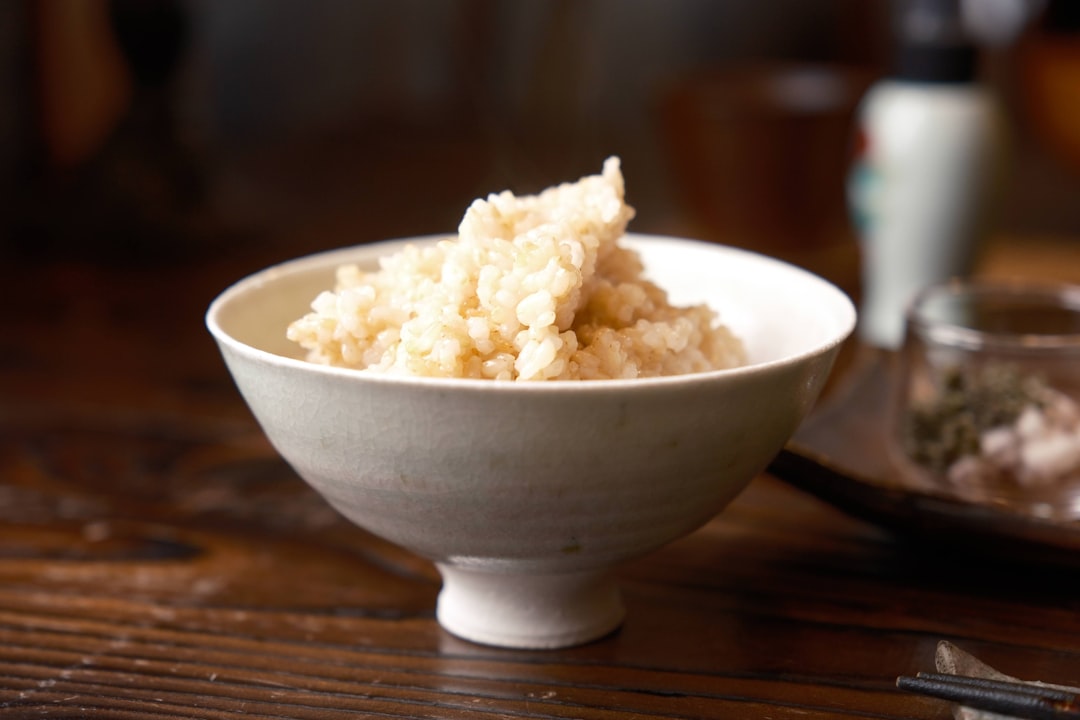
Most of us grew up thinking of rice as one thing: a simple starch to put under the pot roast or alongside a stir-fry. Turns out, that picture is a lot more interesting than we thought.
A 2026 study from Hokkaido University, published in the journal Food Research International, examined japonica rice, the Japanese rice family that includes brown, red, green, and black varieties. The researchers found 196 distinct fat molecules across five major groups. And some of those fats may do your body real good.
The Hidden Fats Worth Knowing About
The researchers identified two compounds in certain pigmented rice varieties: FAHMFAs and LNAPEs. Those are mouthfuls, so here is what matters. This was the first time FAHMFAs had ever been detected in rice.
According to Sonya Angelone, PhD, RDN, a registered dietitian based in San Francisco, these substances have been linked to anti-inflammatory effects and improved insulin sensitivity. She noted that while long-term human studies on these specific compounds are still limited, certain rice varieties may offer anti-inflammatory and metabolic benefits.
Where exactly do those fats show up? FAHMFAs were most abundant in brown and green pigmented rice. LNAPEs were found in black rice.
Scott Keatley, RD, co-founder of Keatley Medical Nutrition Therapy, explained that LNAPEs are building blocks for compounds that help regulate appetite and fullness. Lisa Moskovitz, RD, CDN, chief executive of NY Nutrition Group, added that this could make it easier to eat smaller portions and feel less hungry during the day. As for FAHMFAs, Keatley described them as a class of lipids showing anti-inflammatory and insulin-sensitizing activity in early research, which means they may have a positive effect on blood sugar.
How the Different Varieties Stack Up
Not all rice is the same. Registered dietitians broke down what each type brings to the table:
- Black rice is rich in LNAPEs and antioxidants. According to Angelone, it has the lowest glycemic index of the group, making it the best option for metabolic health and blood sugar control.
- Brown rice contains FAHMFAs and keeps its germ and bran intact, the nutrient-rich outer layer. Angelone called it notably more nutrient-dense than white rice, with plenty of fiber, vitamins, and lipids.
- Purple rice is similar to black rice in both antioxidant content and health benefits, Angelone said.
- Red rice is a good source of fiber and is rich in polyphenols and antioxidants compared to white rice, according to Jessica Cording, RD, CDN, author of The Little Book of Game-Changers.
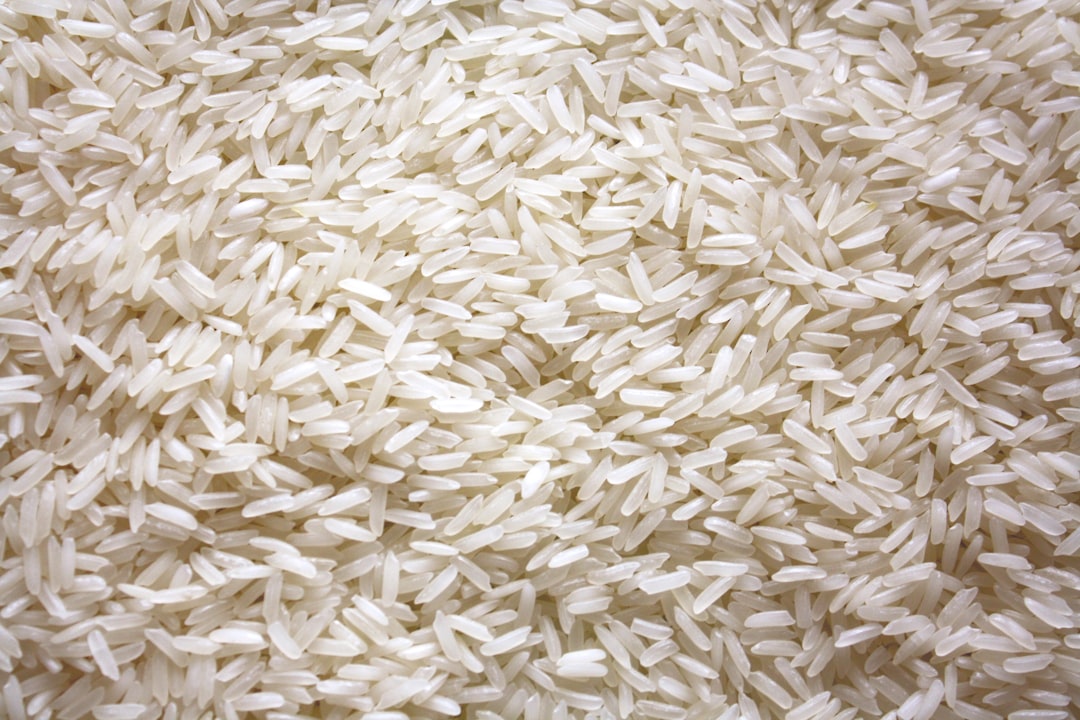
- Basmati rice is a refined white rice. Angelone noted that it contains fewer lipids and phytochemicals than pigmented varieties, though it has a lower glycemic index than some other white rice types, such as jasmine.
- Sticky rice has a higher starch content. Angelone described it as lower in fiber and bioactive compounds and higher in glycemic effect.
- Wild rice is technically not rice at all; it is the edible seed of a semi-aquatic grass called Zizania palustris. Angelone said it is higher in protein, fiber, and minerals, and is good for adding variety to your diet.
Does This Mean White Rice Is Off the Table?
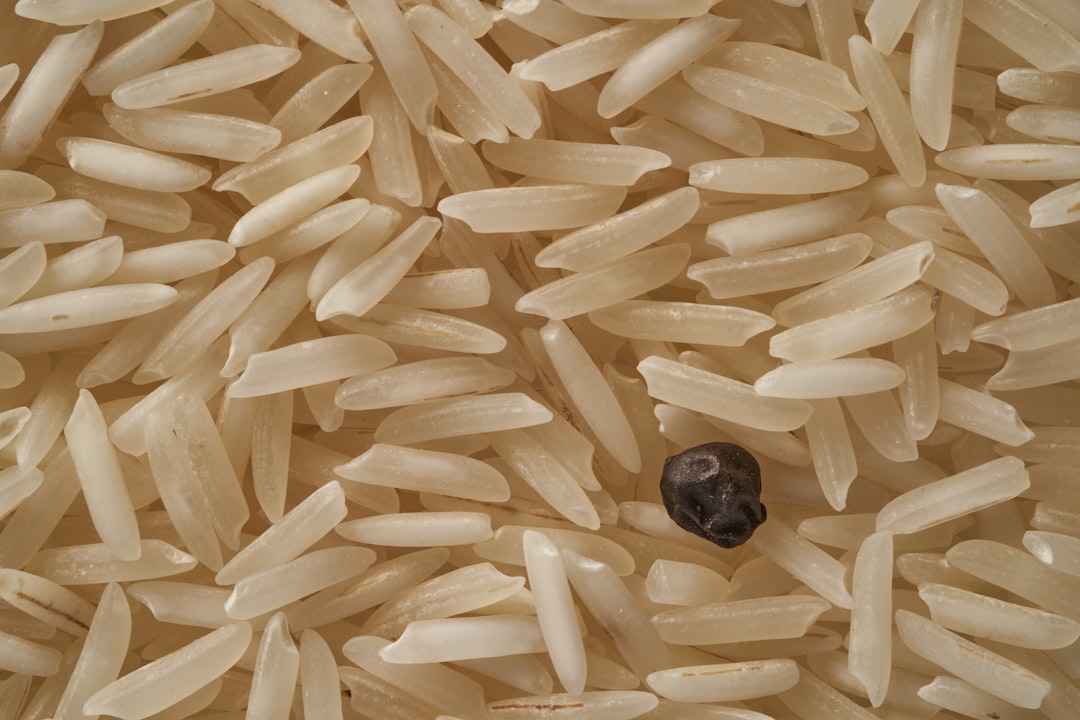
Not at all. Cording was clear on this point: white rice is not bad. If you have eaten it your whole life, you can keep enjoying it. You may just want to get certain nutrients from other foods alongside it.
White rice undergoes a refining process that removes parts of the grain, including some vitamins, minerals, and bioactive compounds. Angelone noted that the color of rice appears to be directly related to the richness and diversity of its lipid content. More color generally means more of those beneficial compounds.
Moskovitz put it simply: just because rice is a starchy food does not automatically make it bad for blood sugar, weight, or metabolic health. What matters most is which other nutrients accompany those carbohydrates.
Keatley offered a rule of thumb that is easy to remember: choose foods in their least refined form and reach for a range of naturally occurring colors. Those pigments, he said, often signal different nutrient profiles, including compounds researchers are still learning about.
So the next time you are at the grocery store, it might be worth grabbing a bag of black or brown rice. Your dinner plate will look a little more interesting. And your body might quietly thank you for it.