
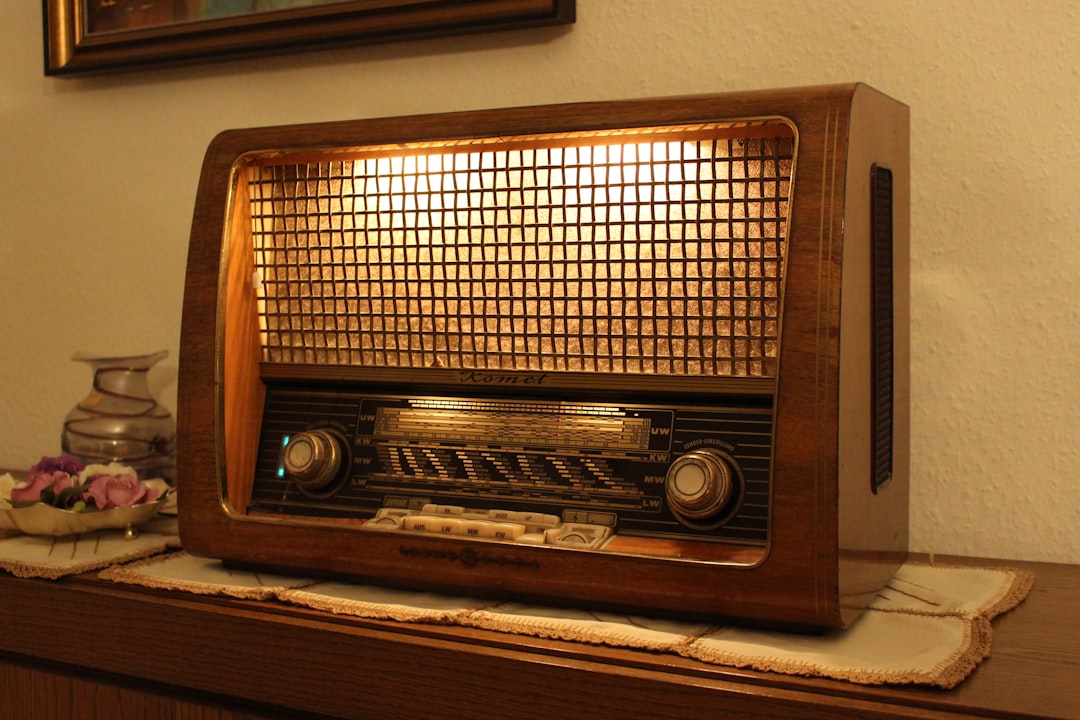
There’s a particular kind of presence that comes through a voice alone. Radio — whether music, talk, or local programming — has long been able to fill a room without overwhelming it. For many, those voices became a steady part of the day.
A Voice That Fit Into the Background
Radio often lived alongside other activities. It played while making breakfast, driving, folding laundry, or working on a small project. Unlike television, it didn’t require full attention. A familiar host could speak in the background, creating a sense of company without interrupting what you were doing.
Familiarity Through Repetition
Listening at the same time each day meant hearing the same voices regularly. Morning shows, afternoon programs, or evening broadcasts developed a rhythm. Over time, listeners became familiar with a host’s tone, pacing, and style. That consistency made the experience feel predictable in a comforting way.
Local Voices, Local Context
Many radio programs were tied to a specific local place. Hosts mentioned nearby events, weather, traffic, and community news. Call-in segments allowed listeners to hear voices from their own area. This local connection made the experience feel grounded and relevant, rather than distant and impersonal.
Conversation Without Direct Participation
Even without calling in, listening to a discussion could feel participatory. You might form an opinion, react to a story, or mentally respond to a question. The format created a sense of involvement without requiring action.
A Different Kind of Attention
Because radio relies only on sound, it leaves room for imagination. A story, a song, or even a short exchange can create a vivid picture without showing anything visually. This type of listening engages attention in a quieter, more flexible way.
Why It Still Resonates
The appeal of radio isn’t just nostalgia. It’s the experience of having a steady, human voice present without demand — something that can still feel relevant in a busy or quiet space.