Being a grandparent is one of the great joys of life. You get to love a child deeply, without the exhausting daily grind of parenting. But child psychologists say the role carries more weight than most grandparents realize. And there is one thing, above all else, they wish more grandparents would focus on.
It is not storytelling. It is not showing up for birthdays. It supports and respects the parents.
“The single most important thing a grandparent can do for their grandchildren is to support and respect the parents,” says Dr. Amy Kincaid Todey, Ph.D., a child psychologist with Todey Psychology.
Why This Matters More Than You Might Think
It sounds counterintuitive. You raised kids. You know things. But Dr. Todey is direct about it: “The way you show your love and wisdom matters as much as the love and wisdom itself.”
Dr. Joseph Galasso, Psy.D., a clinical psychologist and Chief Executive Officer at Baker Street Behavioral Health, calls respect and empathy the “bedrock of a strong family system.” He says grandparents need to put themselves in their adult children’s shoes, to understand what it feels like to be a parent right now.
Dr. Brittney Pearson, Ph.D., a licensed psychologist with Thriveworks, explains the connection clearly. “Grandparents play a vital role in reducing the stress of their adult children, which positively impacts how those parents engage with their own children.”
And here is the practical reality, according to Dr. Maya Bousaini, Ph.D., a child psychologist at Rula: “Parents are gatekeepers. If the relationship between a parent and grandparent is poor, children are less likely to spend time with their grandparent.” In other words, a strained relationship with your adult child limits your access to your grandchild.
That said, all four psychologists are clear that safety is different. If a child is in genuine danger (from abuse, neglect, or serious harm going unaddressed), grandparents have a responsibility to act. As Dr. Todey puts it, “This is not overstepping. This is what it means to love a child.”
How to Show That Respect in Real Life
Knowing you should support the parents is one thing. Doing it in the heat of the moment is another. Here is what the psychologists recommend.
- Take 24 hours before reacting. Dr. Galasso calls this “Take 24.” Waiting a full day before addressing a disagreement lets emotions settle and leads to more thoughtful conversations. If 24 hours feels too long, Dr. Bousaini suggests at least taking a breath and asking yourself three questions before speaking: Is it necessary? Is it true? Is it kind?
- Practice perspective-taking. Dr. Bousaini advises grandparents to think back to when they were raising children. How did it feel when your own parents commented on your parenting? She also notes that today’s parents face unique pressures; the United States provides minimal parental leave, limited subsidized childcare, and almost no community infrastructure for new families, according to Dr. Todey.
- Ask permission before offering advice. Dr. Bousaini recommends saying something like, “I have some thoughts about this. Would you like to hear them?” It is a small shift that makes a big difference.
- Lead with validation. Dr. Todey says new parents need to feel heard before they can hear anything else. Try starting with “I can see how much you love them” or “This stage is exhausting, and you’re doing so well.” She explains that grandparents who master this skill find that their advice is actually heard when they share it.
- Remember you are on the same team. Dr. Pearson puts it simply: you and the parents share a common goal, the health and happiness of the child. Keeping that in mind makes empathy easier.

Five More Things Worth Prioritizing
Beyond respecting the parents, the four psychologists point to five other behaviors that make grandparents truly powerful figures in a grandchild’s life.
- Stay consistent with the rules. The image of grandparents sneaking candy and bending bedtime rules is charming, but Dr. Pearson says it does not serve kids well. “Children thrive in predictable environments,” she explains. Keeping things consistent between households reduces a child’s stress.
- Let the child be who they are. Dr. Galasso urges grandparents to respect each grandchild’s unique interests, temperament, and pace, rather than comparing them to their own childhood or trying to recreate old experiences.
- Choose presence over performance. Many grandparents feel pressure to be useful, cooking, teaching, and sharing wisdom. But Dr. Todey says what grandchildren remember most is not the lessons. It is the feeling of being with you. “Get on the floor,” she says. “Follow the child’s lead. Your presence, fully offered without distraction, is the gift.”
- Show that you are still growing. Dr. Todey calls this one of the most powerful things a grandparent can do. When you say “I’ve been thinking about that differently lately” or “I learned something new,” you model lifelong growth for both your children and your grandchildren.
- Tell your stories. Dr. Todey calls this “deeply underrated.” Kids who know their family history (including its struggles and imperfections) show higher self-esteem and better coping skills, she says. “Tell the funny ones and the hard ones. Let your grandchildren know that people in their family have faced hard things and survived. That knowledge is a gift that will last their entire lives.”
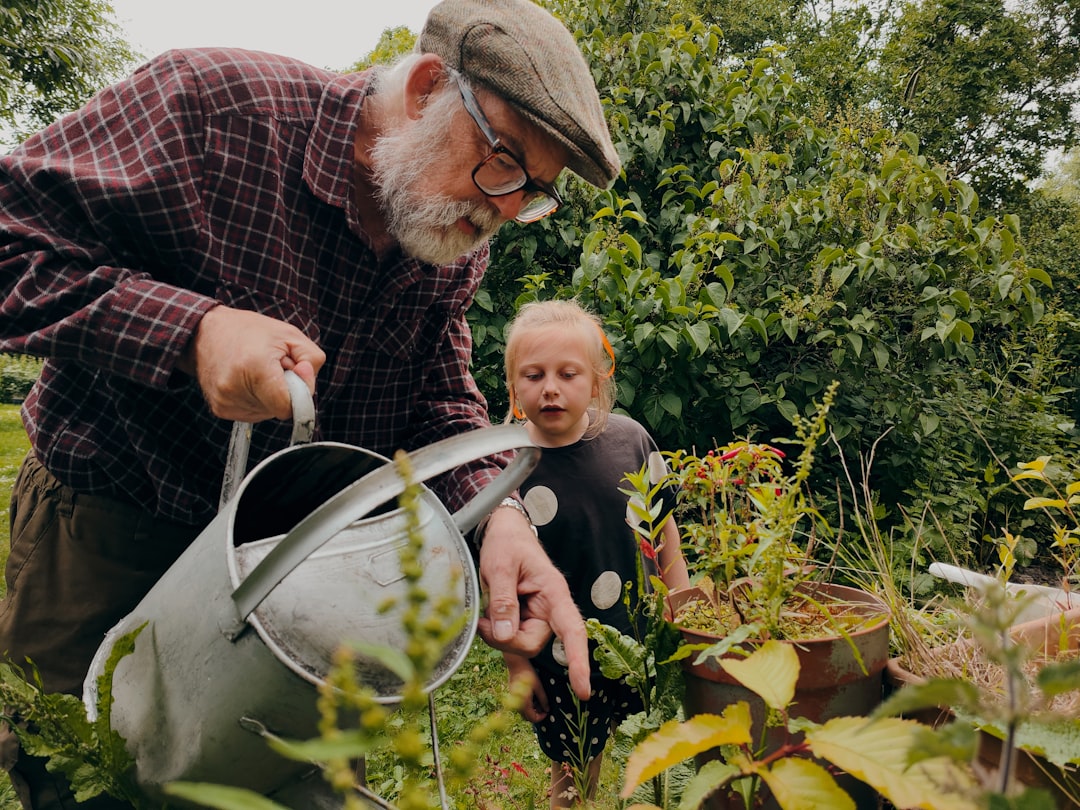
Dr. Todey summed it up in a way that sticks: “Grandparents offer something no one else can, unconditional love without the daily pressure of parenting. You are the living history of your family. You carry stories, values and a sense of identity that roots grandchildren in something bigger than themselves. You are, quite literally, irreplaceable.”
That is a big role. And according to these four psychologists, the grandparents who lean into it most fully are the ones who also know when to step back, listen, and let the parents lead.