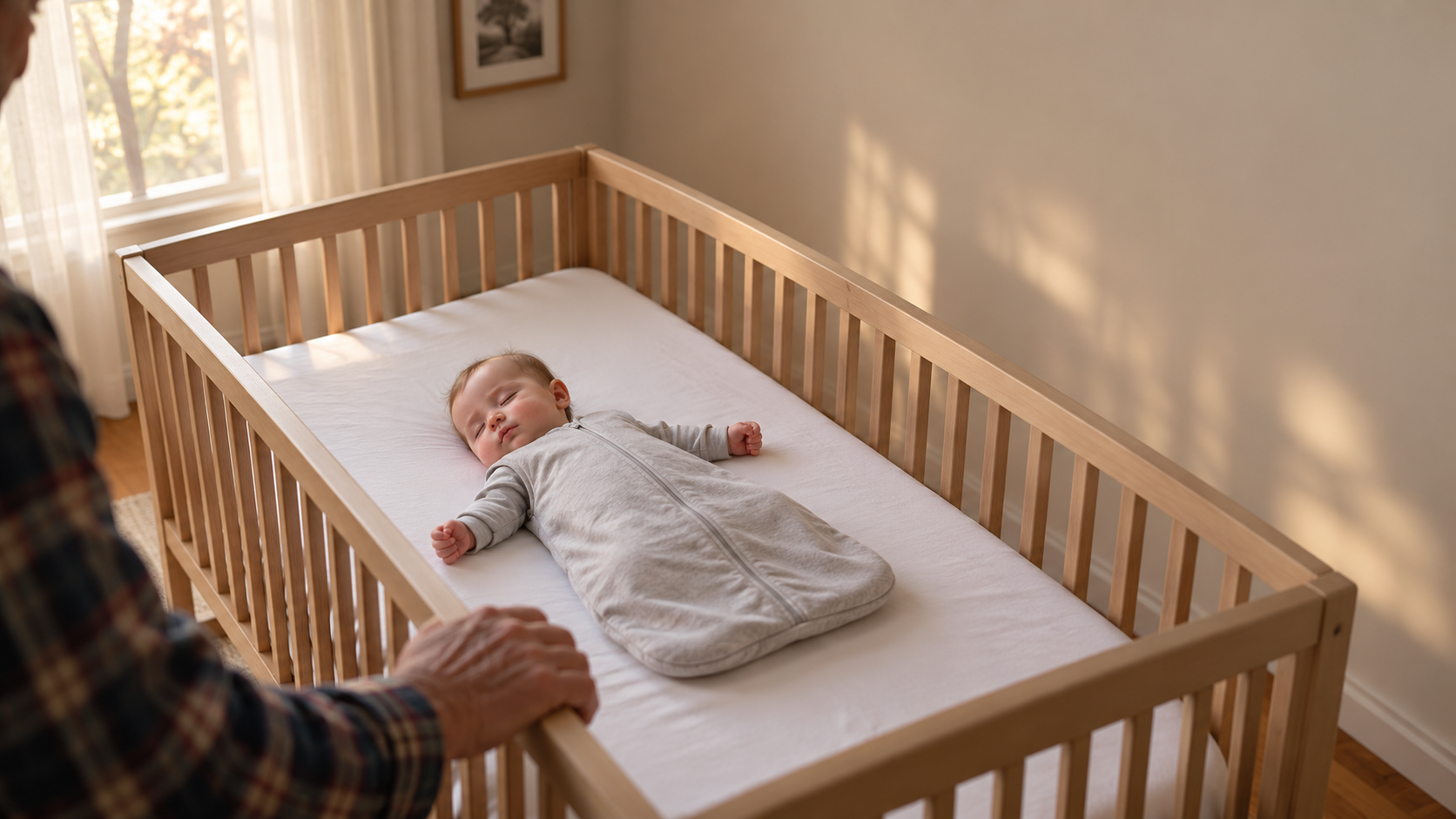
What to Say When a Grandchild Says ‘Nobody Likes Me’
October 26, 2026 — 65Nation
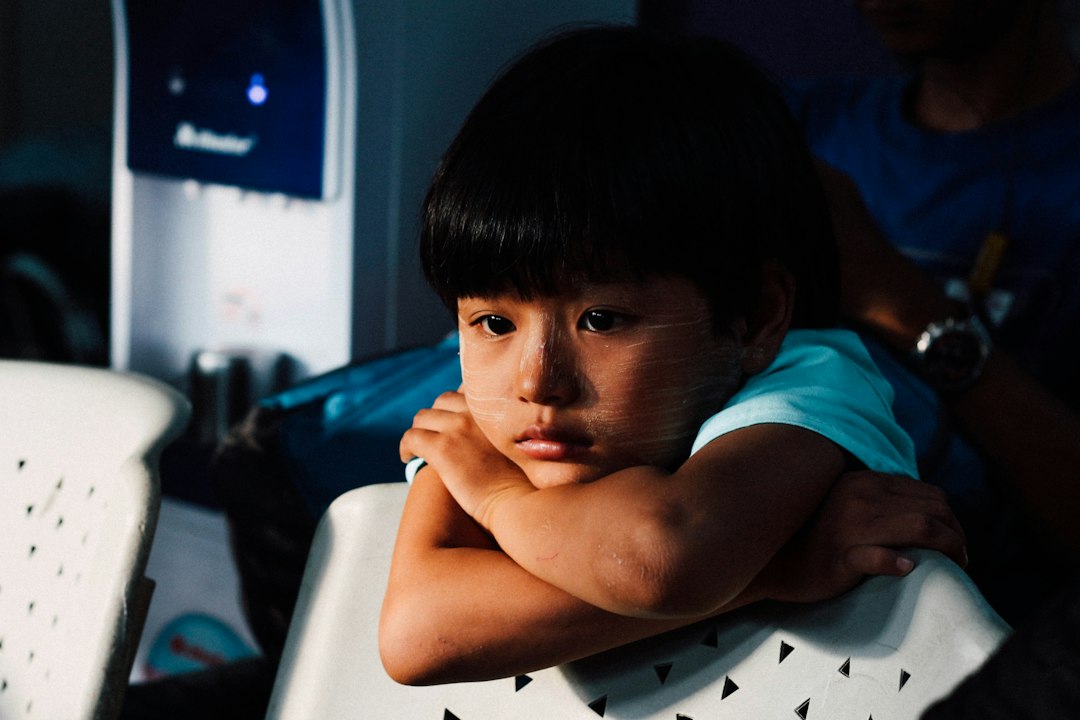
There are few things harder to hear than a grandchild saying, “Nobody likes me.” Your heart sinks. You want to fix it immediately. Most of us reach for the first comforting thing that comes to mind.
But according to child psychologist Dr. Amy Kincaid Todey, PhD, that first instinct, however loving, is often the wrong move.
What Your Grandchild Is Really Saying
Dr. Todey told Parade that when a child says “Nobody likes me,” they are rarely taking a head count. They are telling you something about how they feel in that moment.
Maybe their best friend played with someone else at recess. Maybe they were left out of a party. Or maybe something more serious has been building for weeks. The difference matters, but you cannot know which one it is until you ask.
“Our job isn’t necessarily to correct the sentence as quickly as possible,” Dr. Todey explains. “It is to get curious about the experience underneath it.”
The One Line That Actually Helps
Dr. Todey recommends keeping your first response simple. When a child says nobody likes them, try this:
“Oof. That sounds really lonely. Tell me what happened.”
Those few words do a lot of quiet work. They acknowledge the feeling without agreeing that literally nobody likes the child. They keep the child talking. And they give you the information you need before deciding what kind of help is actually called for: comfort, perspective, a bit of coaching, or something more.
“Sometimes you will discover that ‘Nobody likes me’ actually means, ‘My best friend sat with someone else today,'” Dr. Todey said. “Sometimes it means, ‘Three kids have been excluding me for weeks.’ Those are very different problems.”
Three Things to Avoid Saying
Dr. Todey says parents and grandparents often default to certain responses that feel helpful but can actually shut the conversation down. Here are three to steer clear of.
1. “That’s ridiculous! Of course people like you.”
This comes from love. But it skips right past what the child is feeling. Dr. Todey says a child’s quiet reaction is often, “But you weren’t there. You don’t understand.” Instead of correcting them, try: “Something happened today that made you feel really left out.” The goal is to validate the emotion, not the inaccurate belief.
2. “Here’s what we’re going to do…”
Grandparents are fixers. It is one of our best qualities. But jumping straight to solutions like calling the teacher, phoning another parent, or telling the child exactly what to say can take away something important. Dr. Todey says kids build social confidence by learning they can survive awkward moments and solve age-appropriate problems on their own.
She suggests asking first: “Do you want me to listen, help you think about what happened, or help you figure out what to do next?” That question alone puts the child in the driver’s seat.
3. “You’re being dramatic. That’s not what happened.”
A child can have the facts completely wrong and still be completely right about the feeling. “Maybe everybody does not hate them, but they felt rejected,” Dr. Todey notes. Correcting the facts too quickly closes the door. A more helpful line: “It sounds like you felt really unwanted in that moment. Walk me through what happened.”
Helping a Child Build Social Confidence
If a grandchild seems to struggle socially, Dr. Todey says building confidence is the place to start. Here are the approaches she recommends.
Help them zoom in, not stay global
When a child says “Nobody likes me,” gently ask more specific questions:
- “Who did you want to play with?”
- “What happened right before you felt left out?”
- “Was there anybody you felt comfortable with today?”
- “Is this happening a lot, or was today especially hard?”
This helps a child see that one painful moment does not define their entire social life.
Create opportunities rather than pressure
Dr. Todey says friendships usually grow through repeated contact, shared activity, and proximity, not through lectures about being more social. She suggests inviting one child over rather than a group, or helping a child join an activity built around something they genuinely enjoy. Structured activities like building, baking, or gaming can be much easier than an open-ended “go play.”
Practice a few simple skills
Some children need a little more help learning how friendships work. Dr. Todey recommends role-playing a few short phrases at home:
- “Can I play too?” — for joining a group
- “OK, maybe later.” — for handling a “no”
- “I’m sorry I yelled. Can we start over?” — for making up after a conflict
When to Encourage Parents to Get More Help
Not every friendship struggle needs professional attention. But Dr. Todey says some patterns are worth taking seriously. She advises parents to look for more support if a child is:
- Persistently lonely or rejected over months, not just a bad day
- Repeatedly being bullied
- Becoming increasingly withdrawn
- Refusing to go to school or join activities
- Developing significant anxiety around other kids
- Showing changes in sleep, appetite, or mood
- Repeatedly saying things that suggest they believe they are unlikable or worthless
Dr. Todey also recommends a closer look when a child clearly wants friendships but cannot seem to make or keep them. Underlying factors like ADHD, anxiety, autism, or language differences can all affect how children connect with peers.
Parents can start by talking to the child’s pediatrician, teacher, school counselor, or school psychologist. A qualified child mental-health professional can help sort out whether the problem is situational or something that needs more targeted support.
As a grandparent, you may not be the one to make that call. But you can be the one who listens first and that is no small thing.