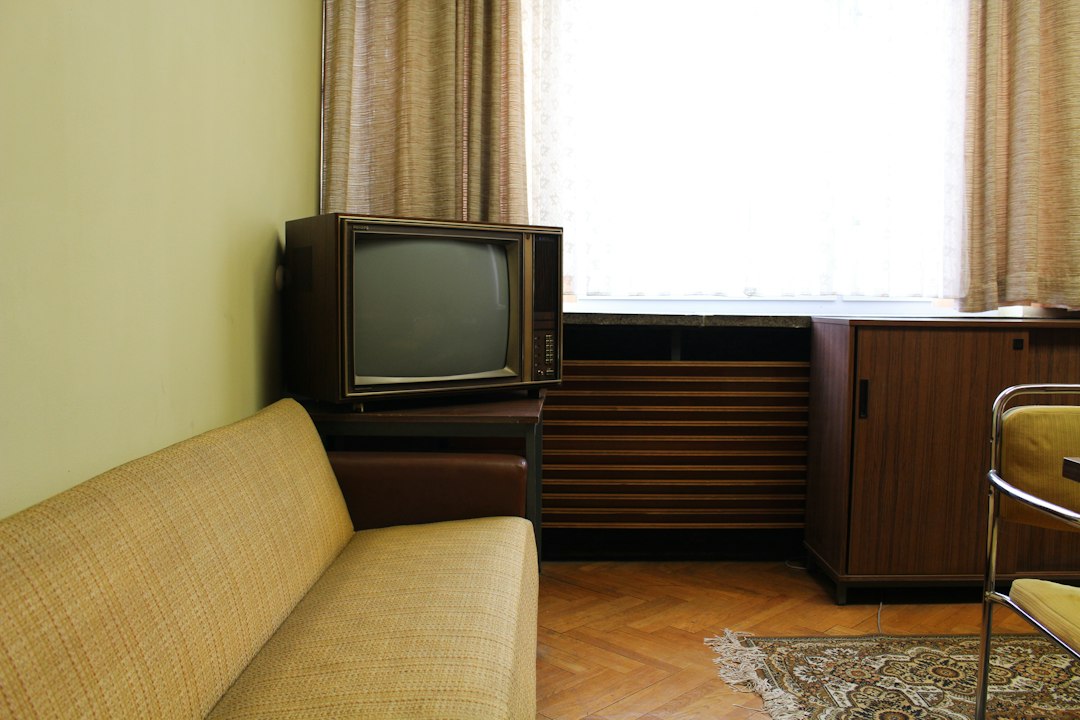
Before programs could be watched whenever you wanted, television operated on its own schedule—and viewers adjusted theirs accordingly.
If your favorite show aired Thursday at 8:00, you were in front of the television Thursday at 8:00. Miss it and you might not get another chance until a rerun months later.
That limitation created something we’ve largely lost: millions of people experiencing the same entertainment at the same time.
When a TV Show Became Part of the Weekly Routine
Certain programs practically became appointments.
I Love Lucy famously drew enormous audiences every Monday night, 9:00 p.m. Eastern, for its whole run in the 1950s. From the 1960s to 2010s, children rushed to the living room to watch Saturday morning cartoons. M*A*S*H*’s 1983 finale garnered the eyes of 106 million viewers, an astonishing 60.2% of all US households and 77% of all TV viewers for that time slot—all watching the same story unfold on the same night.
The routine was part of the experience—families structured their days around these showings. Dinner, the dishes, and everyone’s homework had to be finished by 7:00. Prepping for bed came during the second commercial break of the 9:30 airing.
And any interruption posed a serious problem—there was no pause button waiting to replay what you missed when you came back.
Everyone Could Talk About It the Next Day
Because viewers all watched the same episodes at the same time, television naturally became part of everyday conversation.
Coworkers could discuss last night’s episode the following morning. Friends debated what a character would do next. A surprising finale could become a national talking point almost overnight.
The famous “Who shot J.R.?” mystery on Dallas is a perfect example. Viewers spent months speculating about the answer before the reveal finally aired.
Televisions weren’t an individual or even household experience. They were cultural phenomena, discussed with colleagues around the water cooler, friends at school, and strangers on the subway.
Anticipation Made Television Feel Like an Event
A week between episodes gave viewers time to wonder what would happen next. Seasonal specials were anticipated for weeks. Major finales felt like genuine events, because if you missed the original broadcast, you couldn’t simply watch the episode a few days later at your convenience. And if you missed it, you’d be left out of the next day’s conversations.
Today’s ability to watch almost anything whenever we want is enormously convenient. But convenience has changed the experience. What we’ve gained in accessibility we’ve lost in shared enjoyment.
Why This Matters
Appointment television wasn’t necessarily better entertainment. What made it distinctive was the shared ritual surrounding it—knowing countless other people were watching right along with you, feeling the same suspense, awaiting the same resolutions, and debating the same questions.
It turned an ordinary evening at home into a cultural event.