
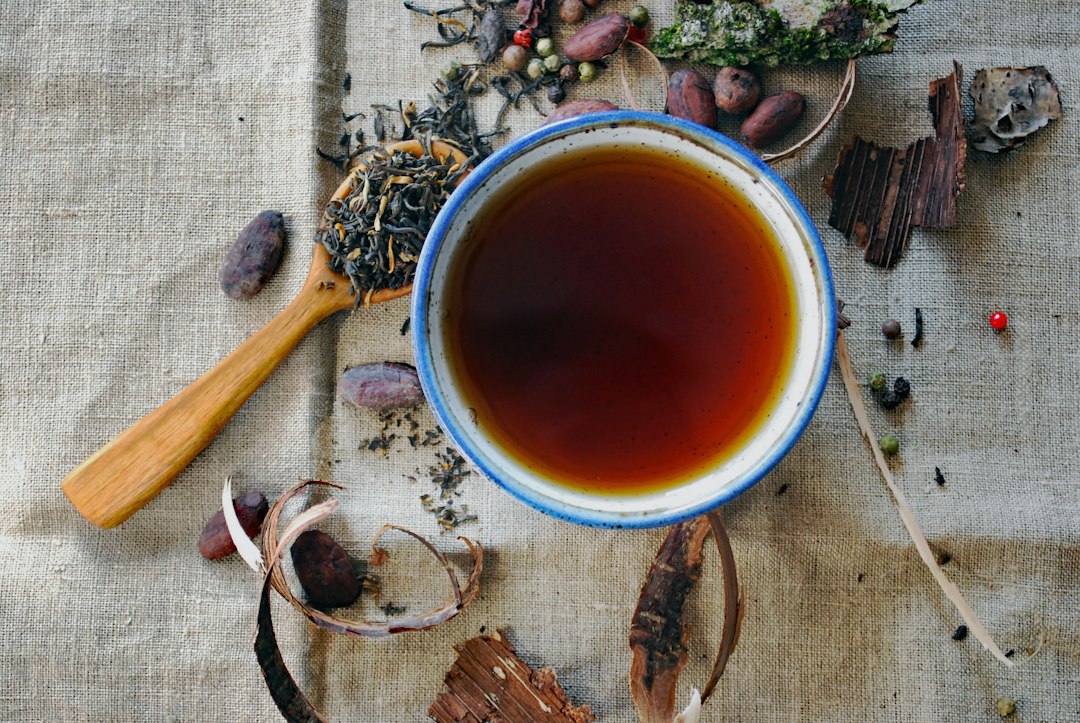
If a warm cup of tea is part of your daily routine, you may be doing your heart a quiet favor. And according to a large new study, a few small details about how you prepare it could make that favor even bigger.
Researchers looked at data from more than 485,000 people between the ages of 30 and 79. Over an average nine-year follow-up, they tracked more than 14,800 cases involving the heart and blood vessels, including heart disease, heart attacks, stroke, pulmonary heart disease, and peripheral artery disease.
Here is what they found.
How Often You Drink It Matters
People who drank tea regularly had a 12 percent lower risk of vascular disease compared to those who rarely drank it. And the more they drank, the lower the risk dropped. The sweet spot in the research was six to eight cups a day.
Black Tea or Green Tea?
Both black tea and green tea come from the same plant: Camellia sinensis. The difference is in how they are processed. Green tea is steamed or roasted. Black tea is oxidized in the air.
In this study, black tea showed more consistent links to lower health risks. But Dr. Leana Wen told CNN that she would not advise anyone to switch from one to the other. Both, she said, can be part of a heart-healthy diet.
Strength and Temperature Make a Difference Too
When it comes to brew strength, which depends on steep time, how much tea you use, and water temperature, medium strength came out ahead. Teas brewed too weak or too strong were not as closely linked to better outcomes.
Temperature is worth paying attention to as well. Drinking tea that is burning hot was associated with a 16 percent higher risk of vascular disease. Let it cool down a bit before you sip.
The lowest risk of all was seen among regular tea drinkers who also did not smoke and stayed physically active. That group was 46 percent less likely to develop vascular disease.
Why Is Tea So Good for You?
Tea has been around for over 2,000 years, and there are good reasons it has stayed so popular. The tea plant is full of catechins, antioxidants that limit how much cholesterol the body absorbs and help the liver clear it from the bloodstream. That matters because cholesterol buildup can lead to clots and blockages that cause heart attacks or strokes.
Tea also contains polyphenols, another type of antioxidant that fights inflammation and helps lower blood pressure. And it has L-theanine, an amino acid that Dr. Nicholas Perricone says sharpens mental focus while keeping the mind calm.
One thing to watch: the research suggests that adding sugar can reduce those health benefits. One study found that milk, sugar, and honey all lowered the antioxidant activity of tea.
A Note for American Tea Drinkers
It is worth knowing that all 485,934 participants in this study were from China, the world’s largest tea-consuming country. The US drinks slightly more than one percent of the tea China does. Researchers note that geographic context matters, so how directly these findings apply to Americans is still an open question.
Still, the core message is simple and easy to act on. Drink your tea regularly. Brew it at medium strength. Let it cool before you drink it. Skip the sugar if you can. Your heart will likely thank you.