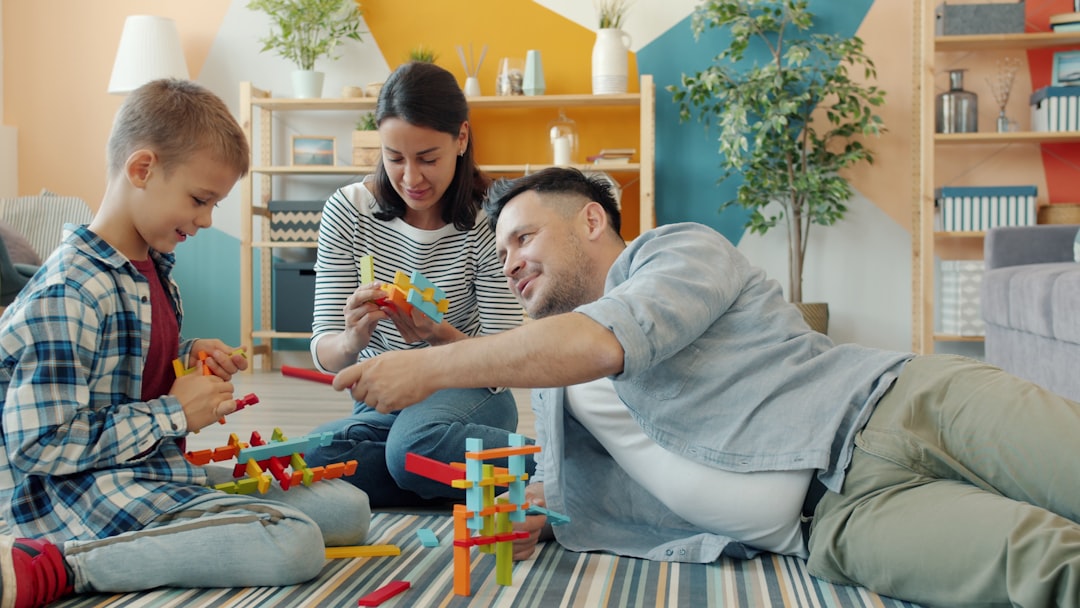
You already know that love is what matters most. But if you want something a little more specific to share with the parents in your life, or something to think about in your own time with the grandkids, three psychologists recently weighed in on the parenting habits that do not get enough credit.
They told Parade their top pick, and it might surprise you. It is free. It is easy. And you probably did some of your best work at it before anyone called it a habit.
The Most Underrated Habit: Laughing and Having Fun Together
Dr. Rachel Rengifo, Dr. Sarah Lebovitz Suria, and Dr. Becky Fenton, all licensed psychologists, agreed on the same answer. The most overlooked positive parenting habit is simply laughing and having fun with your kids.
“Laughing with your children may be one of the most underrated parenting habits because it often gets treated as a bonus rather than an essential part of healthy development,” Dr. Suria said.
She explained that parents spend so much time on routines, discipline, and homework that they can miss the value of just enjoying each other. Shared laughter, she says, is one of the clearest signs of emotional safety in a family. When children laugh with a parent, they have a moment where they are not being corrected or evaluated, just enjoyed.
Dr. Fenton put it plainly: “Families that laugh together stay together. When we laugh and have fun, we want to be in the presence of each other.” She also noted that laughter causes the body to produce endorphins, which help reduce stress and lift mood.
Dr. Rengifo added that research consistently shows a warm, connected relationship with parents is one of the most powerful factors in a child’s well-being.
And those joyful moments do not disappear when children grow up. Dr. Suria said they become the relationship children draw on when life gets harder. “Joy isn’t a break from the work of parenting,” she explained. “It’s part of the work.”
You Do Not Need to Spend a Lot of Money
Dr. Rengifo’s advice is beautifully simple. When you hear kids laughing, stop what you are doing and go find out what is so funny. Be curious. Let yourself be silly.
“The dishes, emails and to-do lists will still be there,” she said. “Childhood, however, moves quickly.”
She recommended simple things like card games and dancing around the house, anything that gets everyone laughing until their stomachs hurt. These ordinary moments, she said, often become the memories that last.
For families who want to invest a little more, Dr. Fenton suggested escape rooms as a fun activity that also builds communication and problem-solving skills.
Four More Habits Worth Knowing
The psychologists also shared a few other underrated habits that any parent or grandparent can appreciate:
- Owning mistakes out loud. Dr. Rengifo recommends saying things like “I overreacted, and I’m sorry” after an argument. Dr. Suria suggests “I got that wrong. Let me try again.” Both phrases show children that mistakes can be acknowledged and learned from, not hidden or feared.
- Letting boredom sit. Dr. Suria says unstructured time is where children develop creativity and independent problem-solving. When kids move through boredom on their own, they discover they can figure out what comes next themselves.
- Staying calm under pressure. Dr. Fenton describes this as acting opposite to the emotion, approaching a stressful moment in a calm, matter-of-fact way. It helps defuse the situation and shows children what it looks like to cope effectively.
- Letting kids struggle a little. Dr. Rengifo says when parents immediately fix every problem, children miss the chance to build confidence in their own abilities. Whether it is a toddler reaching for a toy or an older child working out a problem with their coach, small struggles teach an important lesson: “I can do hard things.”
As grandparents, we already know some of this by heart. We have lived long enough to know which moments stick. The birthday parties get fuzzy over time. The afternoon we sat on the kitchen floor and laughed until we could not breathe, that one stays.
That is the whole point, really. The fun is not the reward for getting everything else right. It is part of how love gets passed down.