You have probably seen the ads. Probiotics promising clearer skin. Gut-health supplements claiming to calm rosacea or psoriasis. It sounds appealing. But what does the science actually say?
Dermatologist Dr. Andrea Suarez took a close look at the research for 10Almonds. The short answer is: the gut-skin connection is real, but it is also more complicated than most of those ads let on.
What the Gut-Skin Connection Really Means
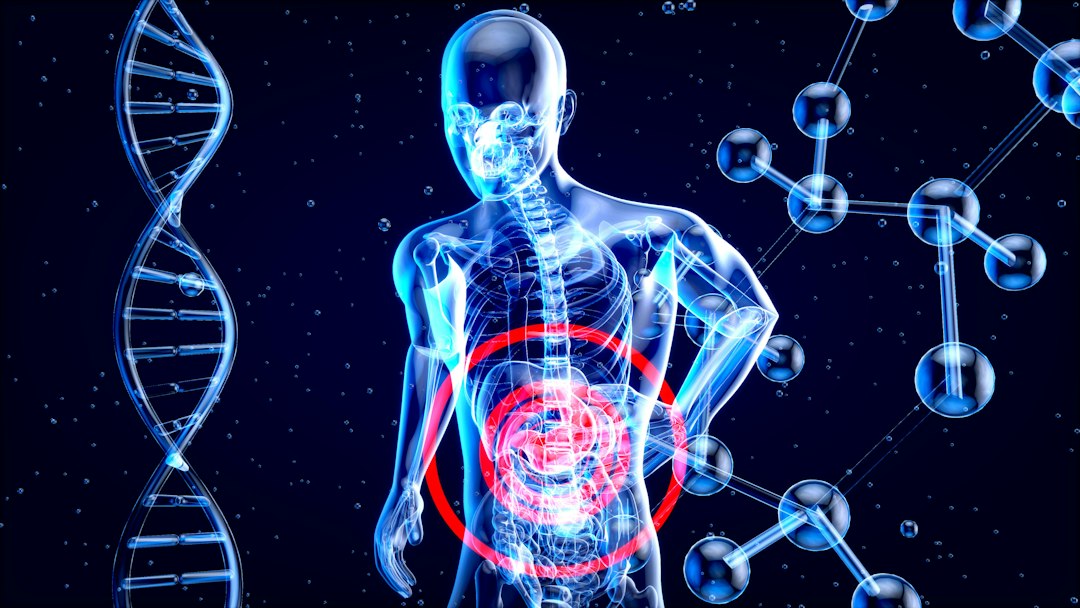
Your gut is home to a vast community of bacteria, fungi, viruses, yeast, and archaea. Together, these make up what researchers call the gut microbiome. This community interacts with your immune system and can influence inflammatory skin conditions, including eczema, acne, rosacea, psoriasis, vitiligo, and lupus, among others.
So yes, what happens in your gut can show up on your skin. That part is well established.
What We Still Do Not Know
Here is where it gets more nuanced. Research has linked several skin conditions to changes in gut microbial diversity and function. But researchers still cannot say for certain whether those changes cause skin problems, result from them, or simply reflect other factors like genetics, diet, medications, and lifestyle.
As Dr. Suarez puts it, it is most likely a combination of all of the above, but the current science cannot confirm that yet.
Animal studies are largely still preliminary. Human studies show associations, not proof of cause and effect. Results also vary widely depending on genetics, where someone lives, and how the tests were conducted.
On top of that, the commercial microbiome stool tests you may have seen advertised cannot reliably explain an individual’s skin condition. Dr. Suarez notes there is not yet validated evidence supporting those uses.
What About Probiotics?
Probiotics contain live microorganisms. Prebiotics are substances like dietary fiber that feed those microorganisms. Postbiotics are the products that microorganisms generate.
Some studies have found modest benefits from certain probiotic strains for atopic dermatitis. But the results have been inconsistent. According to Dr. Suarez, there is not enough evidence to routinely recommend probiotics for eczema, psoriasis, rosacea, or hidradenitis suppurativa.
She offers a useful way to think about it. Asking whether probiotics will treat a skin condition is a lot like asking whether medicines treat disease. It depends entirely on which medicine, which disease, which patient, and under what conditions.
What Actually Helps Right Now
The good news is that there are things you can do today that genuinely support a healthy gut and they do not require expensive supplements or stool tests.
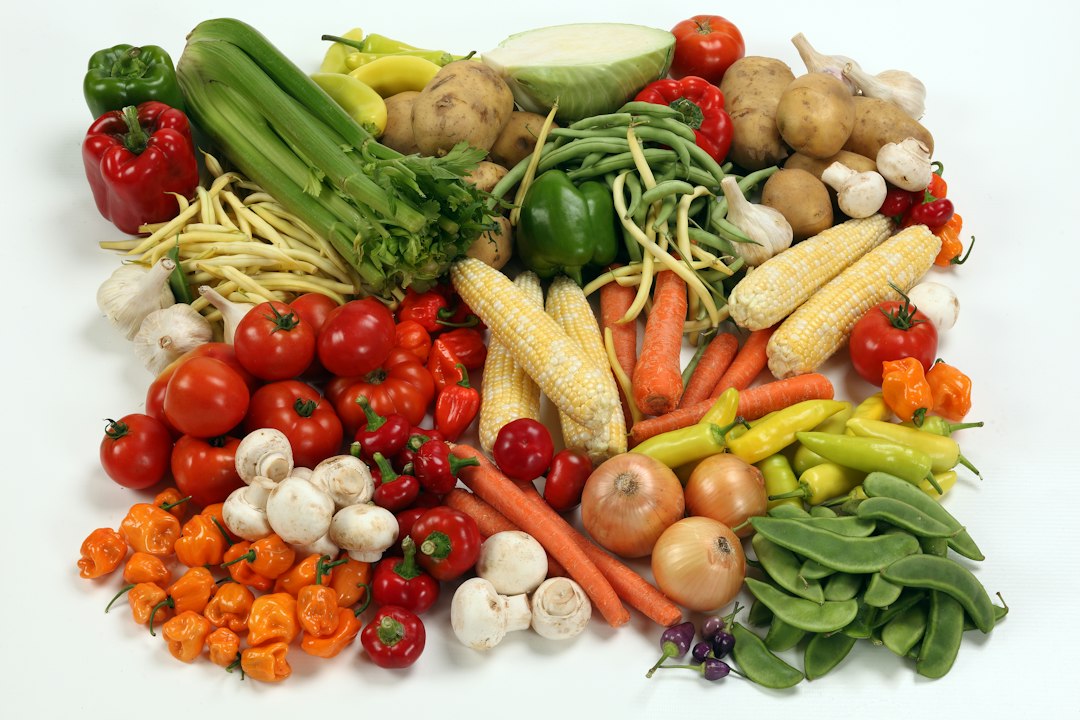
Dr. Suarez points to one habit in particular: eating a wide variety of minimally processed plant foods. Fruits, vegetables, whole grains, legumes, nuts, and seeds all provide dietary fiber. Gut bacteria use that fiber to produce beneficial metabolites and support microbial diversity.
A Mediterranean-style eating pattern fits this well. It emphasizes plant foods and fish while limiting red meat, processed meat, highly processed foods, and refined carbohydrates.
Beyond diet, it helps to avoid things that can harm your gut microbiome:
- Repeated or unnecessary antibiotic use
- Smoking
- Excessive alcohol consumption
- Chronic stress
- Inadequate sleep
- Physical inactivity
- Infections
One honest note on antibiotics: even necessary antibiotic use affects the gut microbiome. But when antibiotics are truly needed, that is a trade-off you cannot safely avoid.
The bottom line? Skip the expensive gut tests and probiotic promises for now. Focus on eating well, moving your body, sleeping enough, and keeping stress in check. That is what the science supports and it is good for a lot more than just your skin.