Retirement brings a lot of good things. But it can also bring something nobody warns you about: loneliness. When the routine disappears and the colleagues stay behind at work, the silence can catch you off guard.
Psychologists say there is something surprisingly simple that can help. It is called nostalgia and it turns out that looking back on your happiest memories is genuinely good for your mental health.
Why Your Old Memories Are More Powerful Than You Think
Jeffrey D. Green, Professor of Psychology at Virginia Commonwealth University, says that positive memories do more than just make us smile. Nostalgia can enhance self-esteem and boost optimism about the future.
But the biggest benefit may be what it does for our sense of connection. When you reflect on a wedding, a graduation, or the birth of a child, you are not just remembering an event. You are remembering the people who were there with you and that feeling of being surrounded and supported comes right back.
Green says this matters especially for retirees. People often underestimate how much their daily work friendships meant to them. Even brief interactions with others, small talk, a coffee break, a quick hello in the hallway contribute to well-being more than we realize. Fewer of those moments each day can quietly increase loneliness.
A 2015 paper published in the journal Advances in Experimental Social Psychology supports this. Green notes that nostalgia can buffer us from threats like social exclusion and loss of meaning, and can help us recover from those feelings when they do set in.
How to Put Your Memories to Work
Dr. Barbara Becker Holstein, a Positive Psychologist and the creator of The Enchanted Self, says the process is straightforward. Start by pulling up your fondest memories such as photos, places you have been, shows you loved and pay attention to which ones give you the most pleasure when you revisit them.
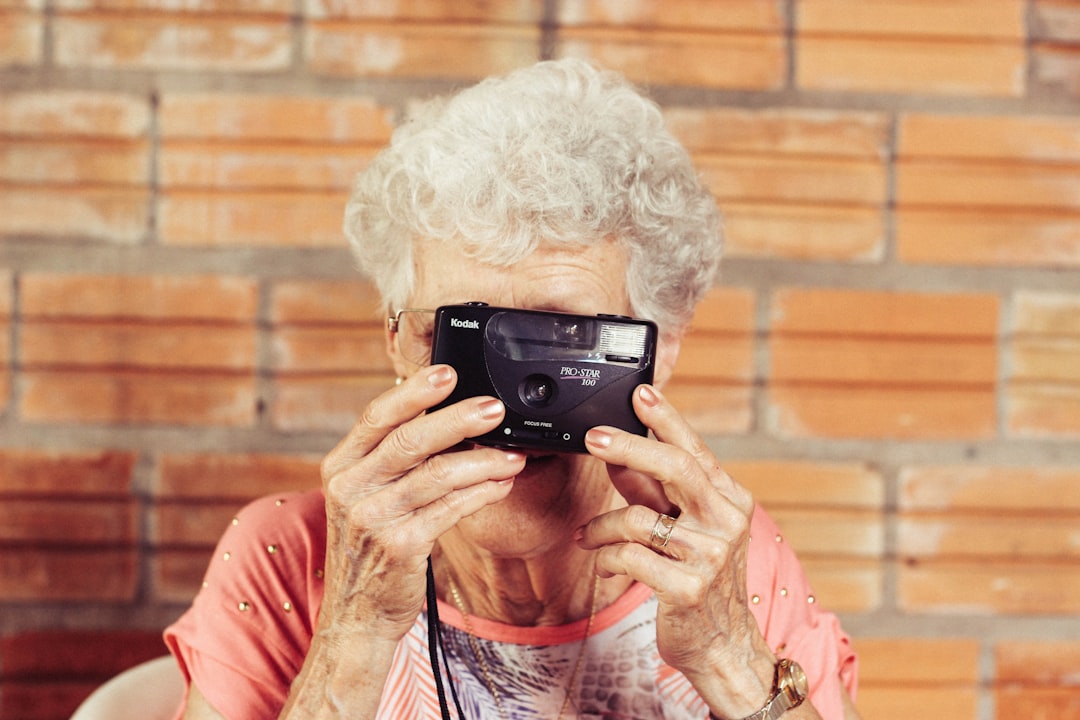
From there, she suggests making what she calls a new list based on your old list. Then look for ways to bring those things into your life right now. That might mean reaching out to a friend tied to a happy memory, or planning a trip back to a place you have always loved.
“Nostalgia gives us a boost of energy coming from our personal inner core,” she says. It pushes us in a unique way, making us want to get up, go out, and keep going.
Dr. Katie Eastman, PsyD, LICSW, and a Master Grief and Transition Coach, offers a frame that many of her clients find helpful. She encourages people to think of nostalgia not as living in the past, but as visiting the past for resources.
In my work, I see nostalgia become a bridge that helps people navigate loneliness, retirement, and grief while carrying the best of their past into the future. — Dr. Katie Eastman
She points to two well-established theories that support this view. Robert Butler’s Life Review Theory describes reflection as a healthy developmental process in later life. Continuing Bonds Theory recognizes that maintaining an inner connection with loved ones who have died can be an important part of healing. When people revisit cherished memories, Dr. Eastman says they often experience renewed feelings of love, meaning, gratitude, and connection.
The Simplest Place to Start
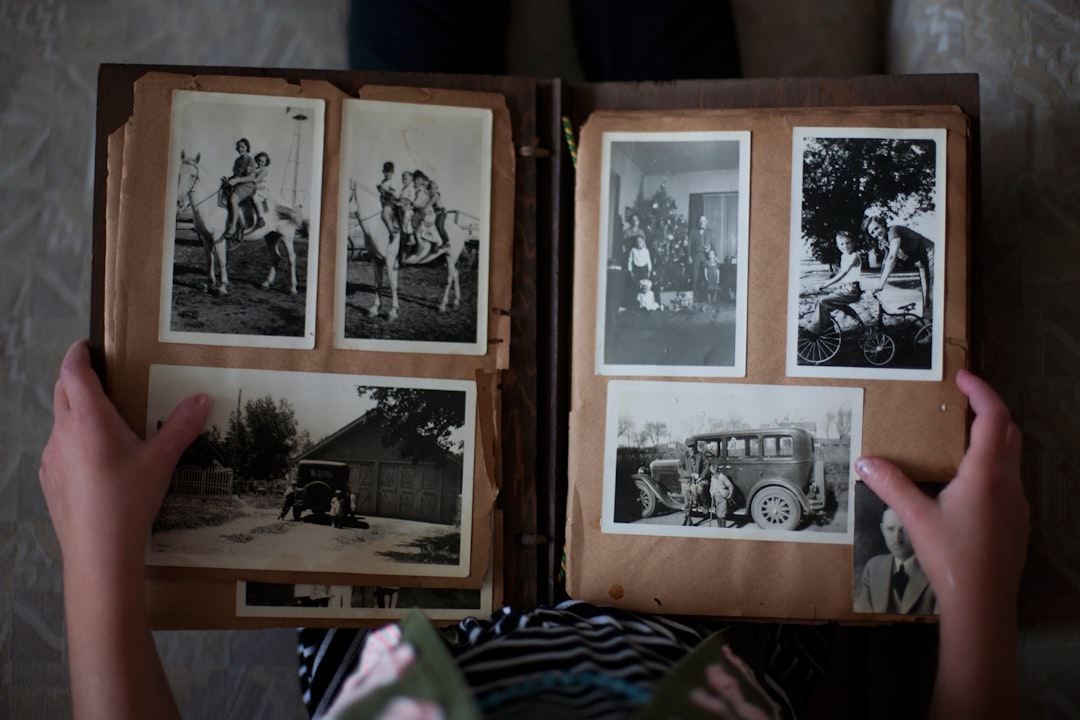
Dr. Becker Holstein’s advice is about as practical as it gets. Grab that old photo album with both hands and laugh your head off at a funny memory.
“You will live longer and with more happiness,” she says, “all because of the memories you have built.”
We have a lot of those. Turns out, they are still working hard for us.