

If you were listening to the radio in the fall of 1978, you heard it. “Hot Child in the City” by Nick Gilder had been slowly working its way up the charts all year long. Then, on October 28, 1978, it finally hit number one on the Billboard Hot 100.
That climb took 21 weeks. According to The Billboard Book of No. 1 Hits, it was the longest journey to the top that any song had ever made at the time. A record-setter, just not the kind most artists dream about.
A Canadian in Los Angeles
Gilder had already tasted success before going solo. He was the lead singer of a Canadian glam band called Sweeney Todd, which had a hit in 1976 called “Roxy Roller.” But “Hot Child in the City” was his first (and only) number one as a solo artist.
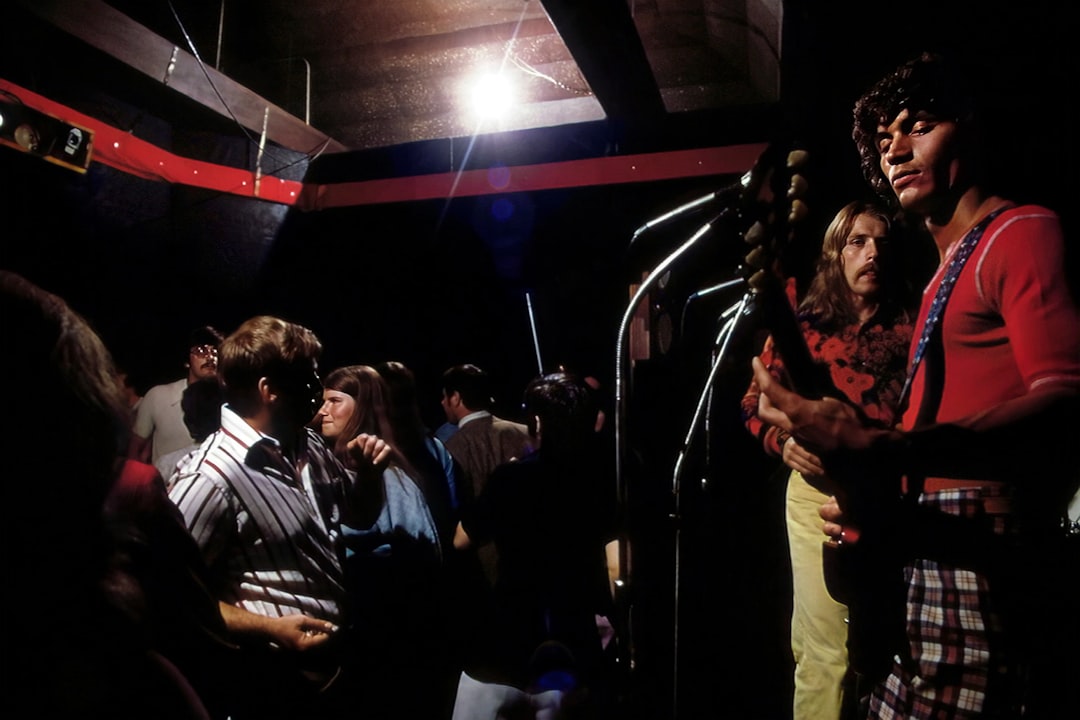
He wrote the song with his former Sweeney Todd bandmate Jim McCulloch. And Gilder says it came together fast. “I just sat down and wrote the lyrics one day,” he told Classic Bands. He sang a bass line riff to McCulloch, and the two of them had the song nearly finished by the end of that first day.
The song appeared on Gilder’s second solo album, City Nights. He later said he wished he had followed it up with more songs in that same style. “It was a really big hit that summer,” he recalled. “It was around in the early spring, and it went to number one towards the end of October. It was there all year, gradually climbing up the charts, which is kind of neat.”
The Story Behind the Title
The song’s title raised eyebrows, and Gilder has told the story behind it in more than one way over the years.
In one telling, he explained to Rolling Stone that he was moved by what he saw after moving to Los Angeles from Canada. “I’ve seen a lot of young girls, 15 and 16, walking down Hollywood Boulevard with their pimps,” he said. “Their home environment drove them to distraction, so they ran away, only to be trapped by something even worse. It hurts to see that, so I tried writing from the perspective of a lecher, in the guise of an innocent pop song.”

Later, speaking with the Canadian Songwriters Hall of Fame, Gilder offered a broader interpretation. “In Los Angeles, you see every walk of life,” he said. “You see a lot of would-be actors, the adventurous, the disenfranchised. It’s a celebration of life, ultimately, of going out and finding yourself. L.A. was a magnet for people trying to find themselves.”
His earlier hit “Roxy Roller” also carried a story simpler than most listeners imagined. Gilder explained in 2014 that it was about an usherette, a woman who worked at a movie theatre showing people to their seats. “I’ve heard so many interpretations,” he said with a laugh. “And that’s when you know you’ve got a good song, when people’s ears perk up, and they’ve got questions.”
Twenty-one weeks to reach number one. One song that stayed with a generation. Some things are worth the wait.