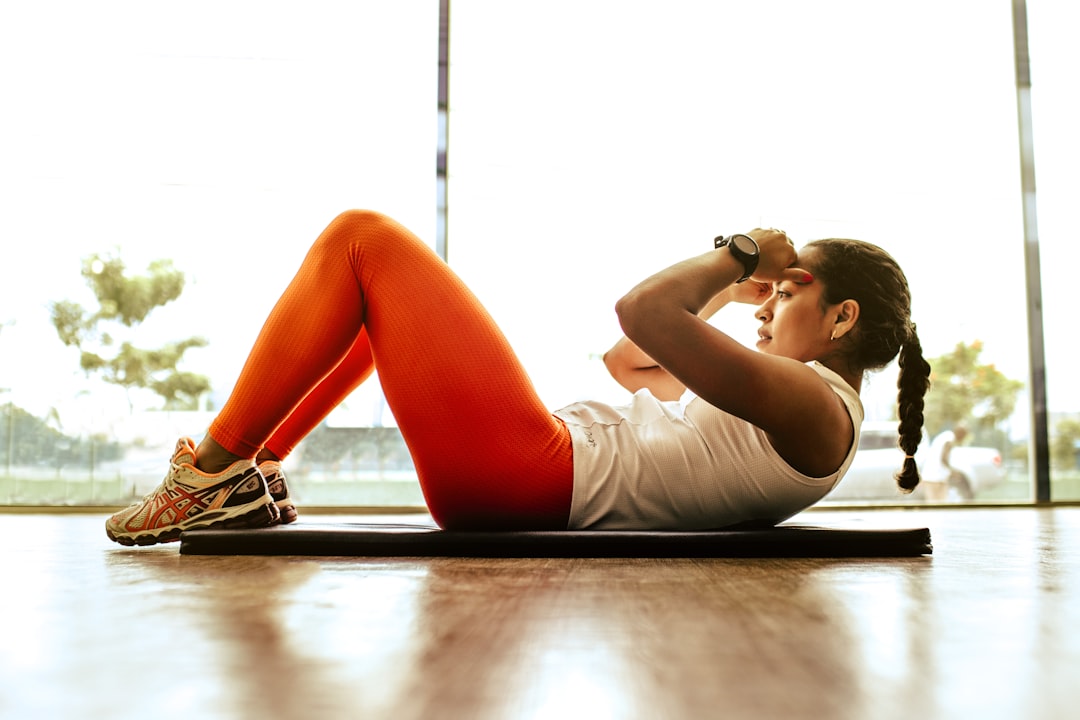
If you have been grinding through crunches and sit-ups without much to show for it, there is a good reason. Those exercises mostly work the surface muscles, the ones you can see. The deeper muscles that actually support your back, your posture, and your balance? They barely get touched.
That is where Pilates comes in. Certified Pilates instructors say the method goes deeper, engaging muscles that standard ab workouts miss entirely.
“Pilates activates the transverse abdominis, the pelvic floor, and the deep stabilizers that traditional workouts miss entirely,” says Daisy Zhang, certified Pilates instructor and founder of Mind Pilates. “Every Pilates movement is paired with intentional breathing, which is actually what switches on those deeper muscles.”
Pilates instructors complete more than 450 hours of training, studying biomechanics, anatomy, and precise movement. During sessions, they focus on the “powerhouse” (the deep abdominal muscles, back, and pelvic floor) using controlled movements to support mobility, flexibility, and everyday function.
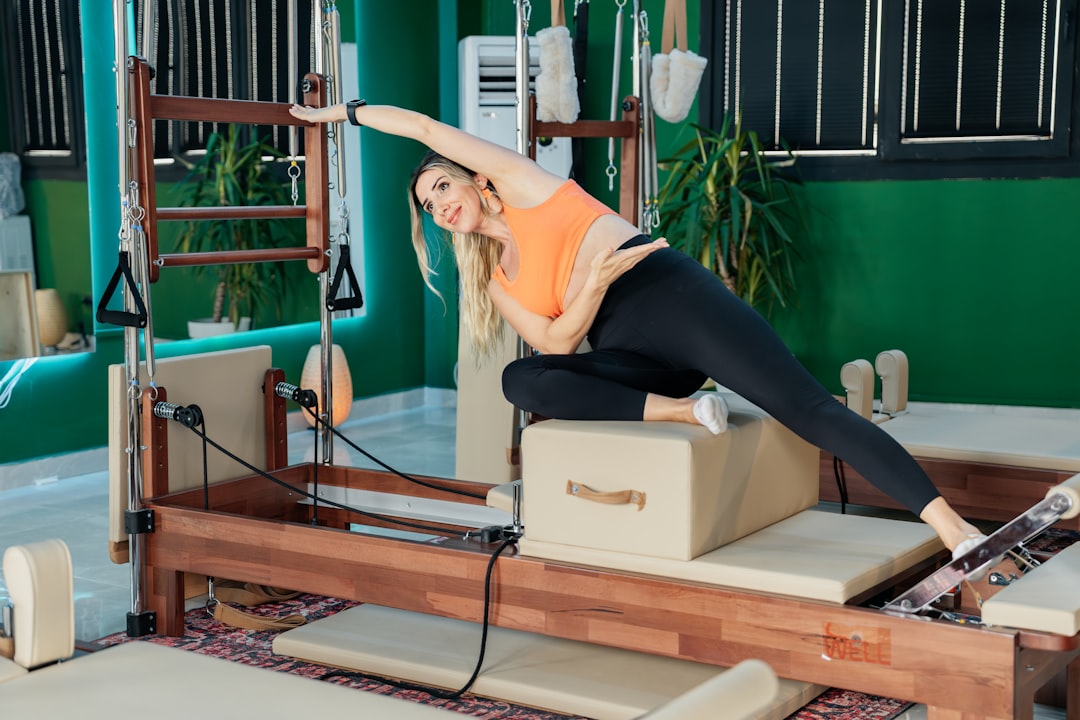
Emma Stallworthy, certified Pilates instructor and co-founder of Your Reformer, puts it simply: Pilates works the core as a system. That means what you practice on the mat carries over into real life, better posture, fewer injuries, and easier movement day to day.
Three exercises stand out above the rest. According to the instructors we spoke with, planks, the Hundred, and Dead Bugs are the fastest ways to see genuine results in your core.
“What makes these three stand out is that they all demand that you breathe, stabilize, and control at the same time,” Zhang explains. “Most ab exercises isolate one muscle, but these three train your entire core system to work together, which is what creates real results.”
1. The Plank
The plank may look simple, but done with proper Pilates form, it is a serious full-core exercise. Here is how to do it correctly:
- Place your hands below your shoulders on the mat.
- Press into the pads of your fingers and hug your inner arms in toward your armpits.
- Walk your feet out to hip-width.
- Gently lift through your pelvic floor and draw your waist in.
- Lengthen from head to heels as you hold the position.
2. The Hundred
The Hundred is a Pilates staple that builds strength and endurance while keeping your core deeply engaged. The rhythmic breathing is built right into the exercise; it is not optional.
- Sit tall on your mat, then roll back and bring your chin to your chest.
- Hover your shoulders just above the ground.
- Extend your legs to a 45-degree diagonal, feet together and toes pointed.
- Reach your arms out in front of you.
- Keep your lower belly gently drawn in as you begin pumping your arms.
- Breathe in for 5 counts, then exhale for 5 counts. Repeat 10 times.
3. The Dead Bug
Do not let the name put you off. This one is gentle on the back and highly effective at working your deep core muscles.
- Lie flat on your back with arms extended toward the ceiling and knees lifted to form a tabletop position.
- Press your lower back into the floor and brace your core.
- Lower one arm and the opposite leg toward the ground.
- Return to the start position, then repeat on the other side.
- Continue alternating sides.
Why Breathing Makes All the Difference
In Pilates, breathing is not an afterthought. It is the key that unlocks deep core engagement.
“When you exhale fully, the transverse abdominis naturally contracts and the pelvic floor lifts,” Stallworthy explains. “Most people hold their breath during exercise, which inhibits deep core activation entirely.”
Jill Drummond, certified Pilates instructor and vice president of Fitness at BODYBAR Pilates, says breath plays a specific role in each of these three exercises. In the Hundred, it helps fire the deep core and maintain endurance. In planks and Dead Bugs, it prevents gripping and helps keep the spine in a neutral position.
“You can do a hundred crunches a day and never touch the transverse abdominis,” Zhang notes. “Dead Bugs, Hundreds, and planks work in the opposite direction. Your spine stays neutral, and your deep core has to work continuously just to hold everything still.”
These three moves are low-impact and suitable for all fitness levels. If you have been looking for a smarter way to build core strength and support your back, this is a very good place to start.