
Living alone again can feel surprisingly unfamiliar, even if you’ve done it before.
Perhaps you’ve spent years sharing a home with someone else—a spouse, children, even pets—and your household has recently changed for whatever reason. Suddenly, dozens of small decisions that once involved another person belong entirely to you.
Some of these differences may take time to adjust to. Others you might find yourself relishing right away.
The Quiet May Feel Different at First
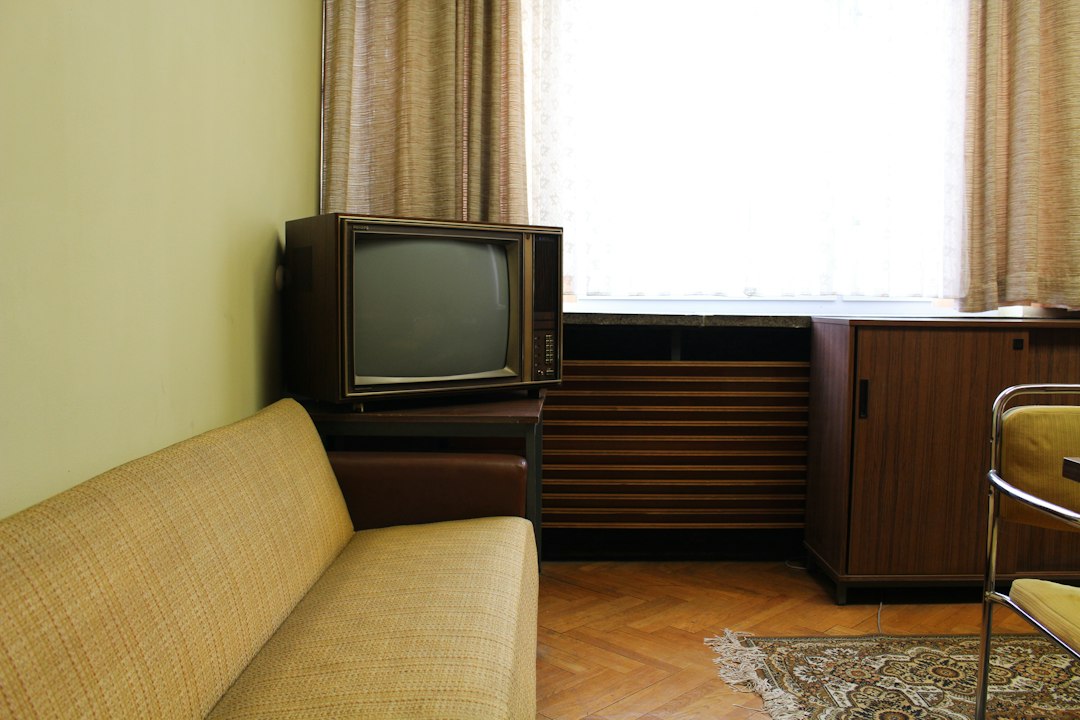
A home sounds different when you’re the only person in it. There are no footsteps in another room, conversations drifting down the hallway, or sounds of someone making coffee in the kitchen, running a sink in the bathroom, or sliding the patio door open. For some people, that quiet feels peaceful immediately. For others, it might feel disconcerting at first.
You don’t have to fill every silence. But if the house feels too quiet, experiment with background sound. Play music while making dinner, turn on the television in the morning, or listen to an audiobook while working around the house. Eventually, you may discover which kinds of quiet you enjoy and which kinds of noise you find comforting.
Your Routines Are Entirely Yours
Living alone means you can eat dinner at 5:00 or 8:00—or not at all if you aren’t hungry. You can watch a movie in the afternoon, rearrange the furniture without consulting anyone, or decide that Tuesday is now the perfect day for grocery shopping.
After years of even small acts requiring communication and collaboration, that freedom can initially feel foreign.
Rather than trying to preserve every previous routine, ask yourself what actually works for you now. You may discover preferences you never had a reason to contemplate before.
Small Household Tasks Become More Noticeable
People who share spaces naturally fall into patterns of chores. Perhaps someone folded the bed each morning. Maybe one person refilled the dish soap every time it got low. Perhaps one person always remembered when the furnace filter needed changing.
Some of these tasks can easily be overlooked when they seemed to have been fulfilled automatically over years.
If the increase in your responsibilities feels overwhelming, create a simple list of what needs to be done. Separate those items into regular versus occasional needs, and note what needs to be done for each. Once that list is complete, it becomes much easier to set a schedule to ensure everything gets done.
Connection May Need to Become More Intentional
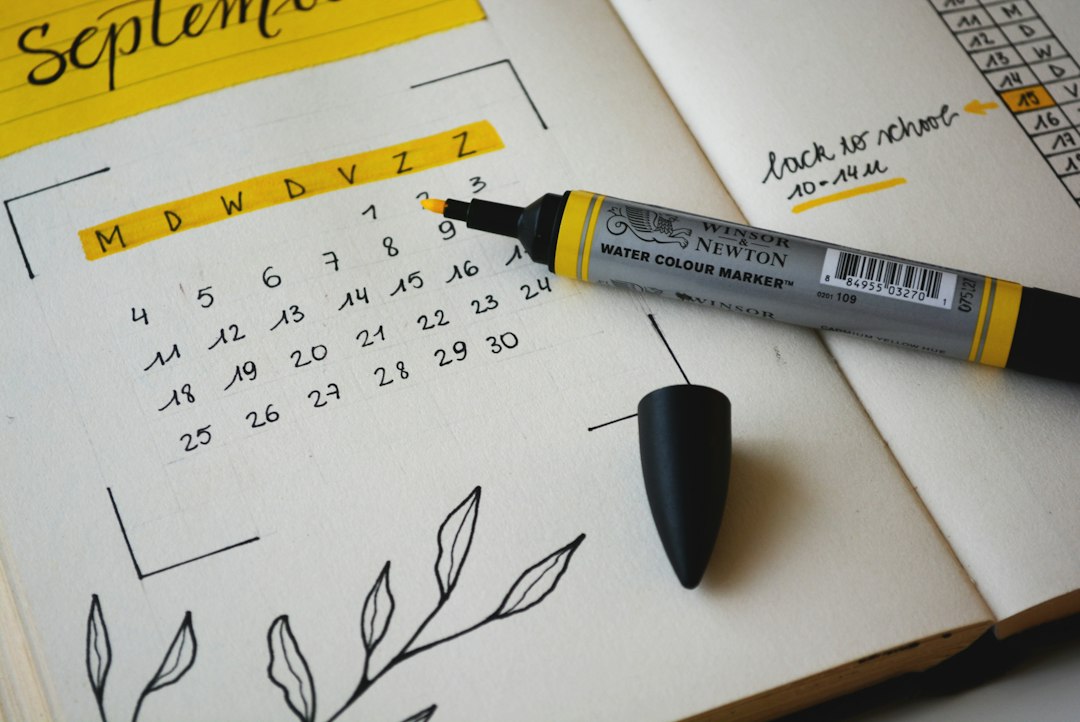
When companionship isn’t automatically built into home life, it can help to put it on the calendar.
Arrange a regular coffee with a friend, join a weekly walking club, invite someone over for dinner, or establish a standing phone call.
Having a few reliable points of connection can give the week a comfortable rhythm, all while keeping you from feeling isolated.
Why This Matters
Living alone again isn’t simply about adjusting to an emptier house. It’s about discovering how you want your home, routines, relationships, and time to work now. Some parts may take time to accept and adjust to. Others may become pleasures you hadn’t expected.