Most of us think about our health as something personal. If we eat well and stay active, we figure we’ll feel better and maybe need less help down the road.
But a large new study from England suggests our health affects more than just ourselves. It also shapes how long we can care for the people we love.
Researchers looked at more than 12,000 people aged 50 and older, tracking them over 11 years. They wanted to understand how health influences caregiving, whether for a spouse or for aging parents.
What they found was striking. Healthier individuals were more likely to take on caregiving as they got older. Those in poor health showed flat or even declining caregiving patterns over time.
What This Means for Spouses
For spousal caregiving, the pattern shifted with age. At 50, people in better health were actually less likely to be caregivers. But by age 70, that had reversed. From 70 onward, better health meant a higher likelihood of caring for a husband or wife.
The reason is simple. If you’re in good shape physically and mentally, you have more capacity to help when your spouse needs you.
What This Means for Aging Parents
The pattern showed up even earlier for parental caregiving. Starting around age 53, people in better health were more likely to be caring for parents or parents-in-law.
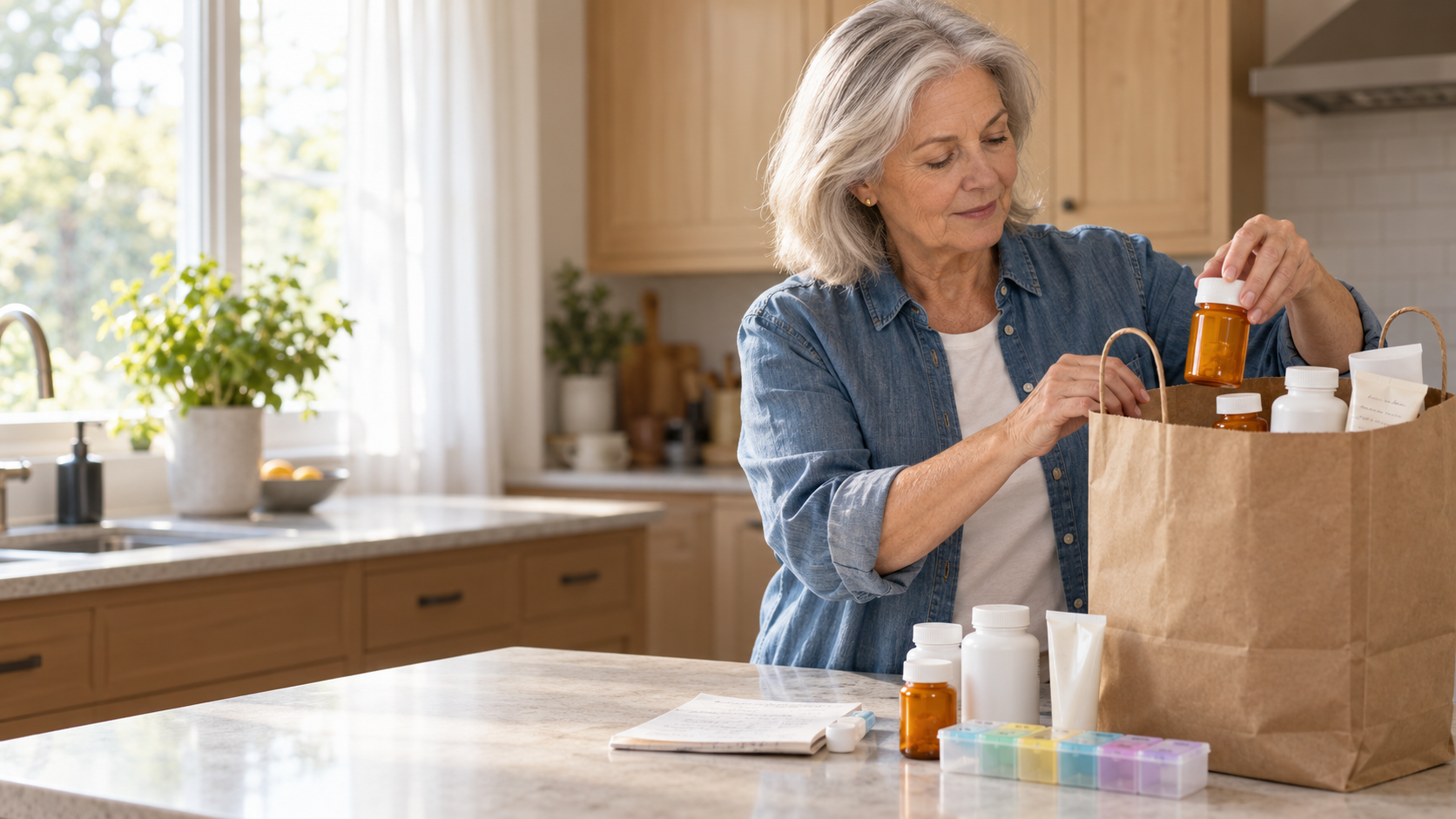
This makes sense when you think about it. Helping an aging parent often involves physical tasks such as driving to appointments, helping around the house, or staying on top of medications. Poor health makes all of that harder.
The Bigger Picture
What the researchers call the “healthy caregiver hypothesis” suggests that good health is a two-way street. It means lower care needs for ourselves, yes. But it also means greater capacity to give care to others.
That’s worth remembering next time you’re deciding whether to take that walk or skip it. Staying healthy isn’t just about you. It’s about being there for the people who might need you someday.