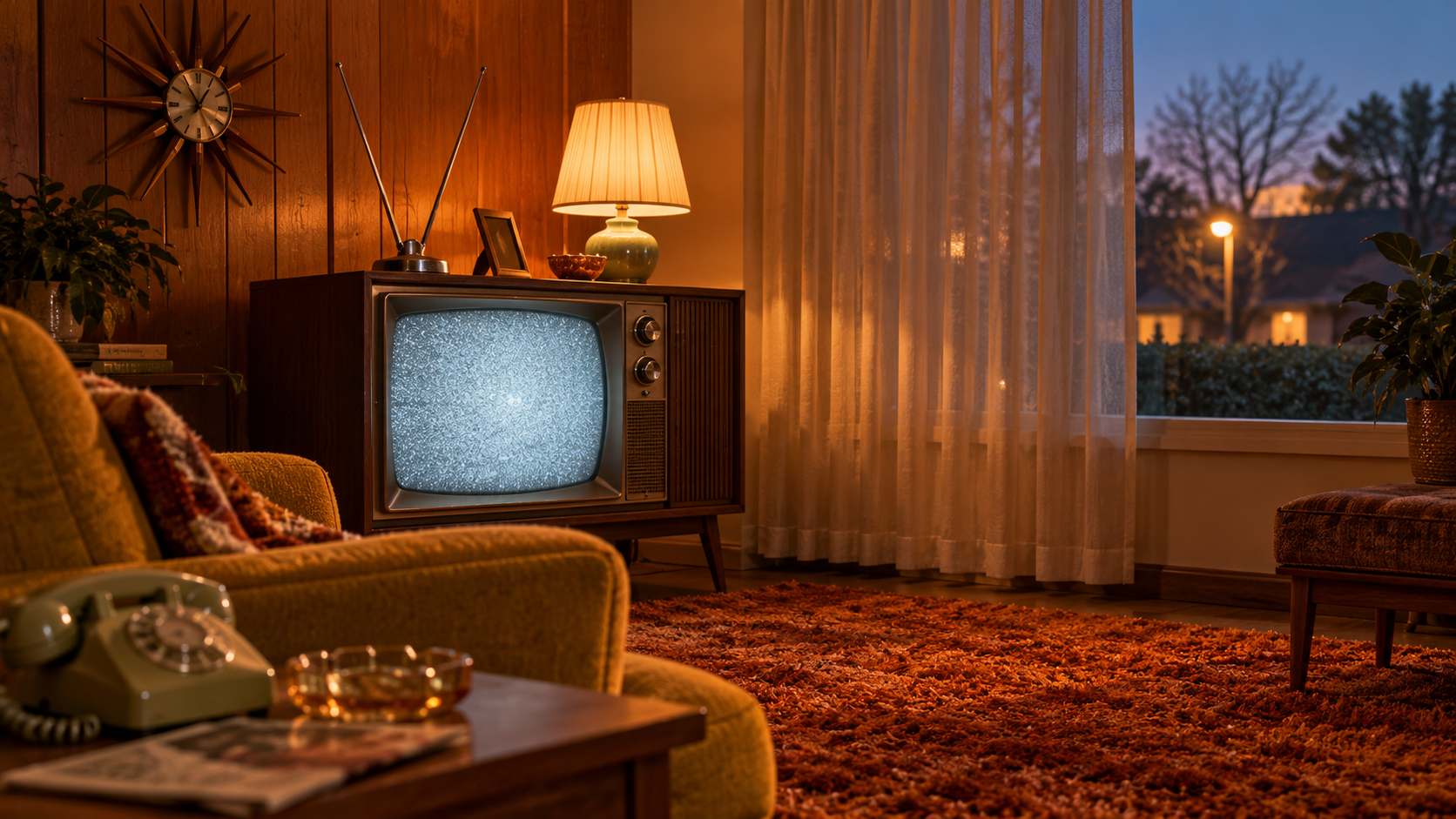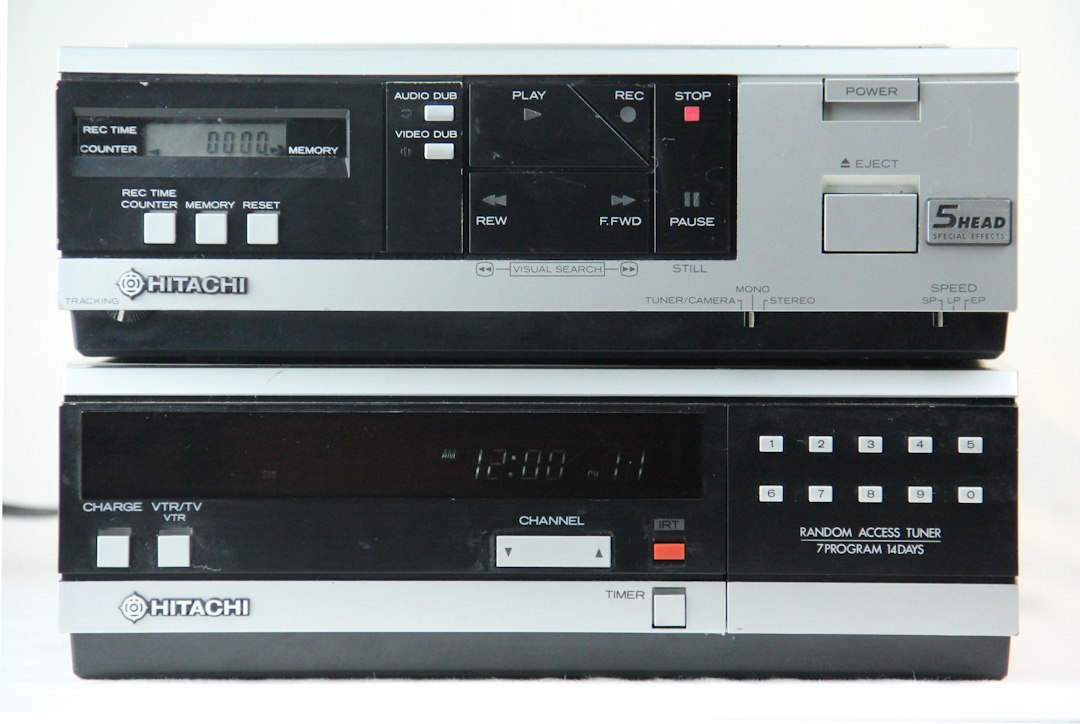
Cast your mind back to 1987. The VCR was sitting in nearly half of American homes with a television. Friday night meant a trip to the video store, and the shelves were packed with more movies than anyone had seen in one place before.
For kids, it was a dream. Films they had been too young to see in a theater were suddenly right there, available for a dollar or two, perfect for watching with a group of friends.
That was exactly what worried ABC’s 20/20.
What the Report Said
The segment, called VCR Horrors, aired in 1987 and was presented by Hugh Downs and Barbara Walters, with reporting by Bob Brown. It set out to warn us, parents of that time, about violent horror films finding their way into the living room by way of the VCR.
By early 1987, the numbers told a clear story. Nearly half of all TV households in America had a VCR. The rental business was booming. A March 1986 article in the Potomac News had already noted that teenagers loved renting videos because they were affordable and easy to watch with friends. Horror films, which made great group viewing, were especially popular.
The segment interviewed several teenage fans who described competing to see who could keep their eyes open the longest during the scariest scenes. They talked about the killings and special effects the way you might discuss a carnival ride, something thrilling, not something troubling.
For us parents watching that night, it was probably a jolt. The horror films we knew were moody, gothic, suspenseful. What the report showed them were films like Friday the 13th, The Texas Chain Saw Massacre, and The Evil Dead, a different breed entirely.
Horror critic Chas Balun appeared on the report to explain why. He believed that audiences raised on television and music videos had come to expect more intensity from modern horror. The genre had shifted to meet that demand.
The Real Worry: Who Was Renting What
Movie theaters generally enforced the age restrictions on R-rated films. Video stores were a different story. Some required a parent’s permission for certain rentals. Many did not. Kids could often walk up to the counter and walk out with whatever they wanted.
To make it more complicated, some films released directly to video had never been submitted to the MPAA for a rating at all. A 1986 issue of Billboard magazine noted this gap. An October 1987 article in the Jackson Citizen Patriot found the same thing in local stores; policies varied widely, and most shops said they left it to parents to decide what was appropriate.
The report also spent considerable time on how women were portrayed in horror films. Even the teenage viewers being interviewed seemed to question why women so often appeared as victims. Actress Linnea Quigley, who had appeared in many horror films, was interviewed about the various situations her characters had faced.
The most alarming section of the report examined real-world violence that authorities had tried to link to horror films. One case involved the killing of Texas teenager Theresa Downing following a graduation party where the video Faces of Death had been shown. The report itself acknowledged that police believed alcohol was likely more significant than the video in that case.
The Other Side of the Argument
The filmmakers interviewed for the report pushed back. They argued that the violence in horror movies was exaggerated enough to be obviously fictional. They also made the case that horror serves a real purpose; it lets people experience fear in a safe, controlled setting.
Looking back, that debate between generations sounds awfully familiar. Every new technology that changed how we watched things like television, cable, home video, and everything that came after brought a version of the same conversation. What are the kids watching? Who is responsible? Where do we draw the line?
The VCR was just one chapter in that longer story. And the fact that we are still asking the same questions today suggests we were not the first generation to wrestle with them and we will not be the last.