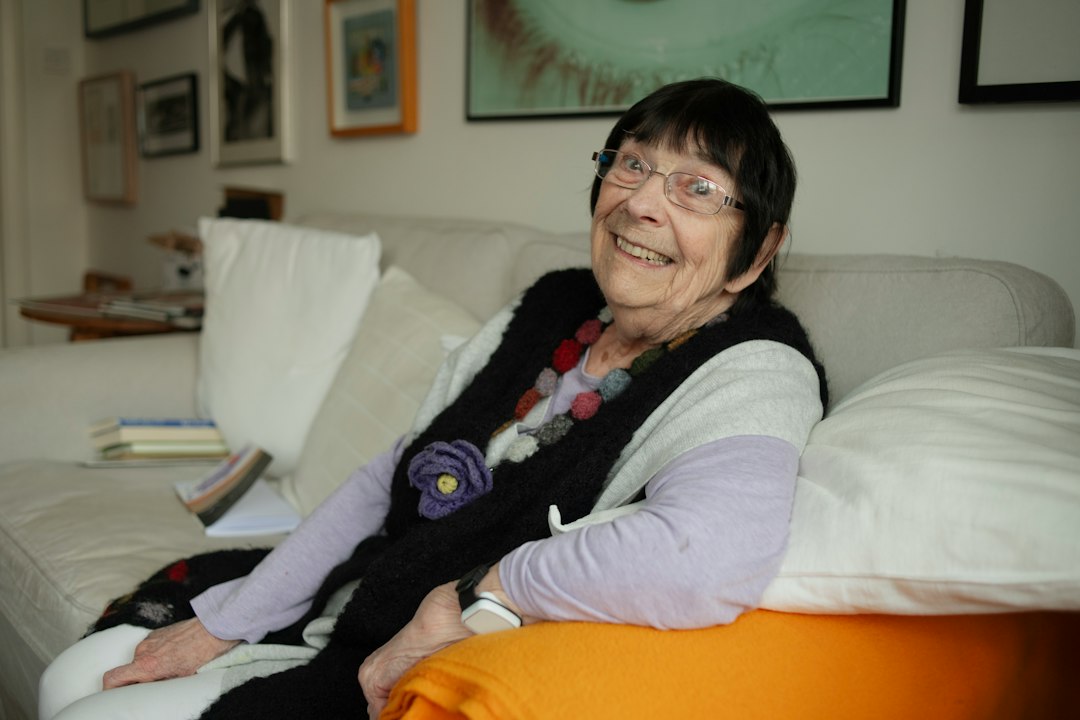

Decisions are rarely made in isolation. Input from others — advice, expectations, or experience — often plays a role. Over time, many people notice a shift: their own judgment starts to carry more weight in the decision-making process.
Experience Becomes a Reference Point
Trust in your own judgment often develops through lived experience. Making choices, seeing how they unfold, and adjusting over time builds a personal reference system. This might include taking a role that felt uncertain but worthwhile, stepping away from something that no longer fit, or navigating a situation without clear guidance. Each experience adds context for future decisions.
Recognizing Patterns More Quickly
With experience, certain patterns become easier to spot. You may notice when something feels misaligned — a commitment that requires more than it gives, a situation that consistently creates tension, or a dynamic that doesn’t improve over time. These observations often come from having seen similar situations before.
Less Reliance on External Validation
At some point, decisions may involve less back-and-forth. Instead of seeking multiple opinions, you gather enough information to move forward. There may still be uncertainty, but there’s also a growing comfort in making a choice without needing full agreement from others.
A Different Relationship With Mistakes
Not every decision leads to the desired outcome. Over time, mistakes can become part of the process rather than something to avoid at all costs. Adjusting, recalibrating, and trying again contributes to a more flexible and resilient approach to decision-making.
Paying Attention to Internal Signals
Many people begin to notice their own responses more clearly — a sense of ease, hesitation, or curiosity that accompanies a decision. These internal signals don’t replace information or advice, but they often add another useful layer when weighing options.
Why This Matters
Trusting your own judgment doesn’t mean ignoring others. It means integrating outside input with your own experience and perspective. That balance can make decisions feel more grounded and less uncertain.