Paper memories — letters, cards, programs, notes, clippings — often pile up because they feel too meaningful to sort and too personal to discard. Traditional filing systems don’t work well for memory-based paper. Organizing these items successfully means choosing access and meaning over categories and perfection.
Group by Story, Not by Type
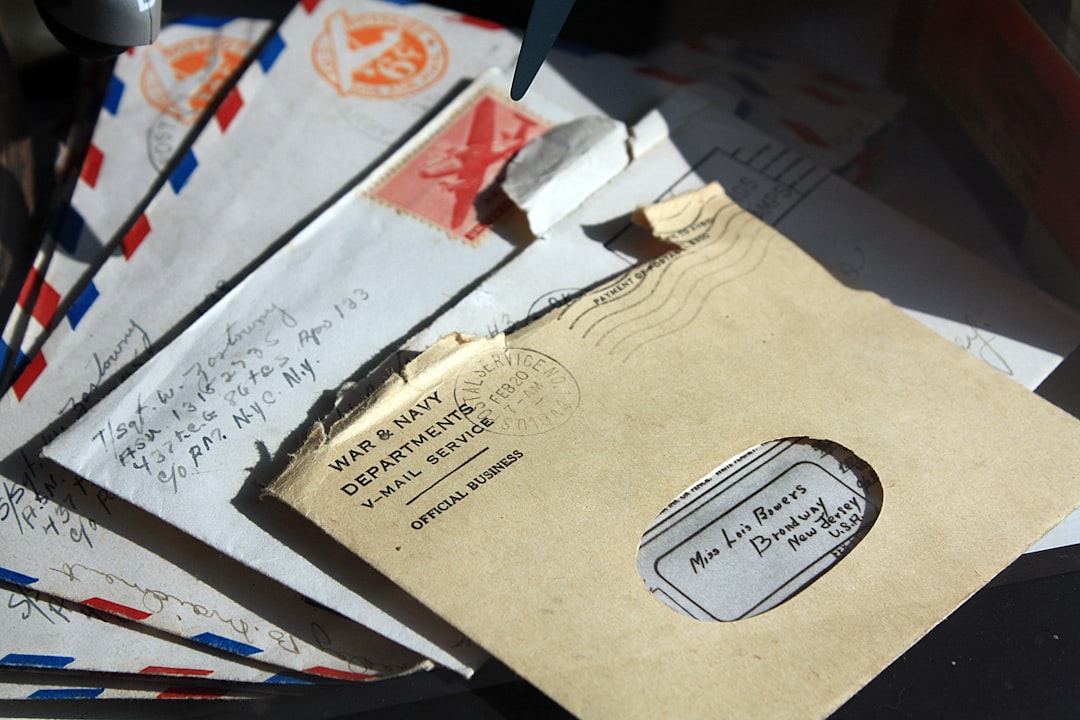
Instead of separating letters from photos from programs, group papers by the story they belong to. For example, keep wedding cards, a ceremony program, and a few notes from that event together. The same approach works for military service, a particular job, a move, or a long friendship. Stories are easier to remember — and revisit — than file labels.
Limit Each Memory to One Container
Choose a clear boundary for each story: one envelope, one folder, or one slim binder section. When the space is full, it signals that you’ve kept enough to represent the memory. This prevents paper from expanding endlessly while still honoring what matters.
Use Simple Labels You’d Actually Read
Label containers in plain language:
- “Letters from Mom”
- “Our First Years Together”
- “Work Life — Early Career”
Avoid dates unless they help you. Emotional clarity matters more than precision.
Keep Originals Loose, Not Perfect
Paper memories don’t need to be flattened, laminated, or protected like archives unless they’re fragile. Allow items to rest naturally in folders or envelopes. Over-handling and over-organizing often makes people avoid revisiting them at all.
Capture Context Once
Slip a short handwritten note at the front of each group explaining why it matters. One or two sentences is enough: who’s involved, why this period was important, or what you remember most. This prevents meaning from getting lost over time — especially for others.
Decide What You Want to Revisit
The best paper memory system is one you’ll open. Store these items where you can reach them easily, not buried in long-term storage. Visibility encourages connection rather than avoidance.
Why This Approach Works
Memory paper isn’t meant to be managed — it’s meant to be remembered. When you organize by story and limit volume, paper becomes grounding instead of overwhelming.