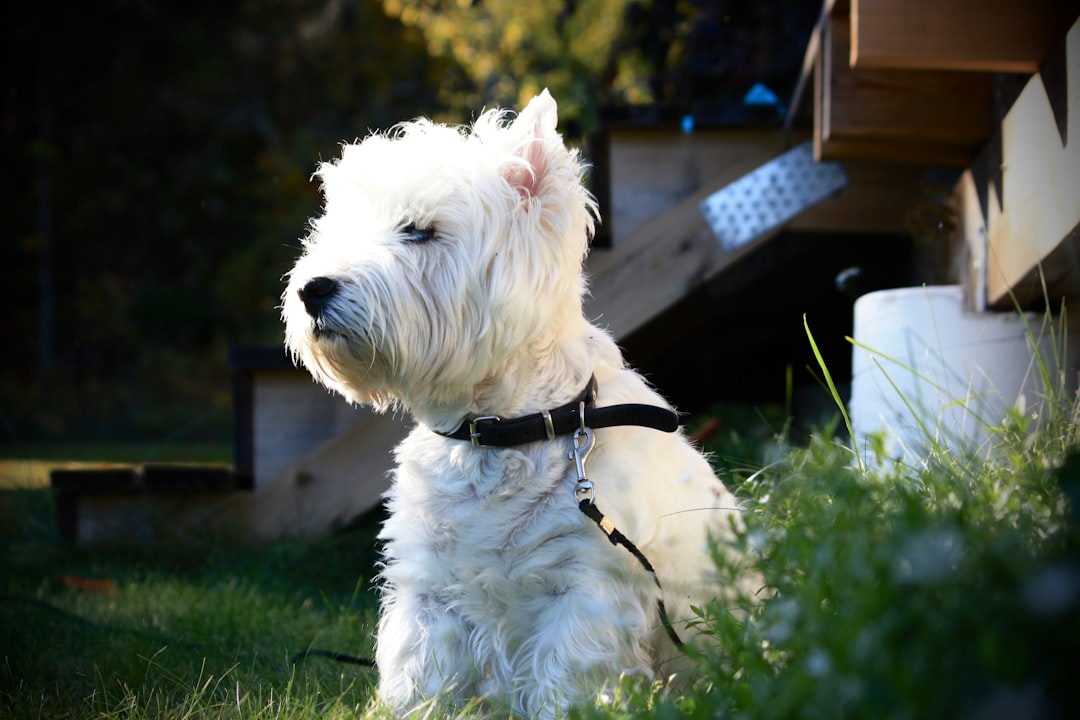
If you have ever shared your home with a West Highland White Terrier, you already know the truth. That fluffy white dog gazing up at you with those dark, expressive eyes is not a lapdog. Not even close.
The Westie is spirited, determined, and built for action. And there is a lot more to this beloved breed than meets the eye.
Built for Hard Work in the Scottish Highlands
The West Highland White Terrier traces its roots to the hills of Scotland. The breed is thought to share ancestry with the Scottish, Dandie Dinmont, Cairn, and Skye Terriers.
Despite standing just 10 to 11 inches tall at the shoulder, these little dogs were put to serious work. Farmers, miners, and estate owners relied on them to hunt and eradicate vermin. Small enough to follow prey into tight spaces, fearless enough not to back down.
The Malcolm Clan refined the breed into a distinct terrier in the mid-1700s. Some historians believe the lineage stretches even further back, possibly to dogs kept by King James I, who lived from 1566 to 1625.
The West Highland White Terrier was officially recognized at England’s Crufts dog show in 1907. The American Kennel Club followed in 1908. Two years after that, breed lovers founded the West Highland White Terrier Club of America.
The Legend Behind That Famous White Coat
Westies come in exactly one color: solid white. The breed standard calls for a hard, straight outer coat, with some wheaten tipping preferred over a soft white coat.
Why white? The answer comes from a painful hunting accident. According to the West Highland White Terrier Club of America, Colonel Edward Donald Malcolm of Poltalloch, Argyllshire, Scotland, accidentally shot one of his own reddish terriers, mistaking it for a fox.
Determined never to make that mistake again, the Malcolm Clan began selectively breeding for a snow-white dog, one that would stand out sharply against the dark, earthy Scottish landscape.
A Tail Built for Rescue
Here is a Westie fact that tends to stop people mid-conversation. The base of a Westie’s spine has four equally shaped vertebrae, giving the tail its distinctive carrot shape.
That design is functional. If your Westie ever gets stuck in a burrow or a hole they dug themselves, you can pull them out by the tail without the risk of serious injury. That is not a parlor trick; it is centuries of careful breeding at work.
Westies also have a loud, persistent bark that served a real purpose in their working days. An owner could hear the barking, follow the sound, and find exactly where their dog had gone.
Grooming Takes Some Commitment
Keeping a Westie looking sharp requires regular attention. Many owners choose to have their dog clipped every four to six weeks, keeping the body neat and the head rounded with hair trimmed close around the eyes.
For dog show competition, the approach changes entirely. Show handlers use a technique called hand-stripping, which involves plucking dead hair strands by hand. The result is a medium-length, hard double coat that repels water and sheds sand and dirt easily.
Show handlers often groom their dogs every one to three weeks. Regular grooming also helps prevent dry skin, itching, and irritation.
A Star in Advertising and on Screen
You have almost certainly seen a Westie without realizing it. The smiling white dog on Cesar dog food packaging is a Westie, a long-running mascot the brand chose for the breed’s strong build and hunting heritage. The dog has gone by several names over the years, including Duffy, Daisy, and now Louna.
Black and White Scotch Whisky, a spirit with Scottish roots, features a white Westie alongside a black Scottish Terrier on its label. And fans of the animated series King of the Hill may remember the Souphanousinphone family’s Westie, named Doggy, who appeared in several episodes.
They Can Live Well Into Their Teens
Smaller dogs tend to outlive larger breeds, and the Westie is a fine example of that. On average, West Highland White Terriers live 13 to 15 years. The West Highland White Terrier Club of America notes that some reach 16.
Good nutrition and regular exercise go a long way toward supporting a long, healthy life. A protein-rich diet and daily activity are two of the most important things an owner can provide.
The Digging Instinct Is Real
If you have a garden you love, fair warning: Westies dig. It is in their nature, going back to their days of chasing prey into burrows and tunnels.
You can work with positive reinforcement to redirect the behavior. Or you can lean into it. One popular approach is setting up a sandbox, burying your dog’s toys inside, and letting them tunnel to their heart’s content.
Smart, Stubborn, and Completely Lovable
Westies pick up commands quickly. They are bright, capable learners. But they also have an independent streak that requires patience, consistency, and plenty of treats to work with.
They bond closely with their owners and love active families. They enjoy children who respect their boundaries, and they are always up for a game of fetch, or even soccer, which they can be trained to play.
Do not let the compact size fool you. These dogs have energy to spare and need daily walks, playtime, and mental stimulation to stay happy. Give them that, and you will have one of the most entertaining, devoted companions around.