Many people experience a time in life when having more feels like the goal: more furniture to fill a room, more square footage for entertaining, more decorations on display, more choices in the closet.
But tastes and goals evolve over time. Eventually, many people begin to notice that the rooms, wardrobes, meals, and even gardens they admire most aren’t necessarily elaborate. Instead, what stands out is the care and attention behind them.
Far from reflecting a lack of taste or refinement, simplicity, when intentional, can feel remarkably sophisticated.
Give Favorite Things Room to Stand Out
Consider a shelf displaying twenty decorative objects compared to one holding just three pieces you genuinely love. Whereas the former are likely to be overlooked, the latter suddenly become more noticeable. The same principle can work throughout a home.
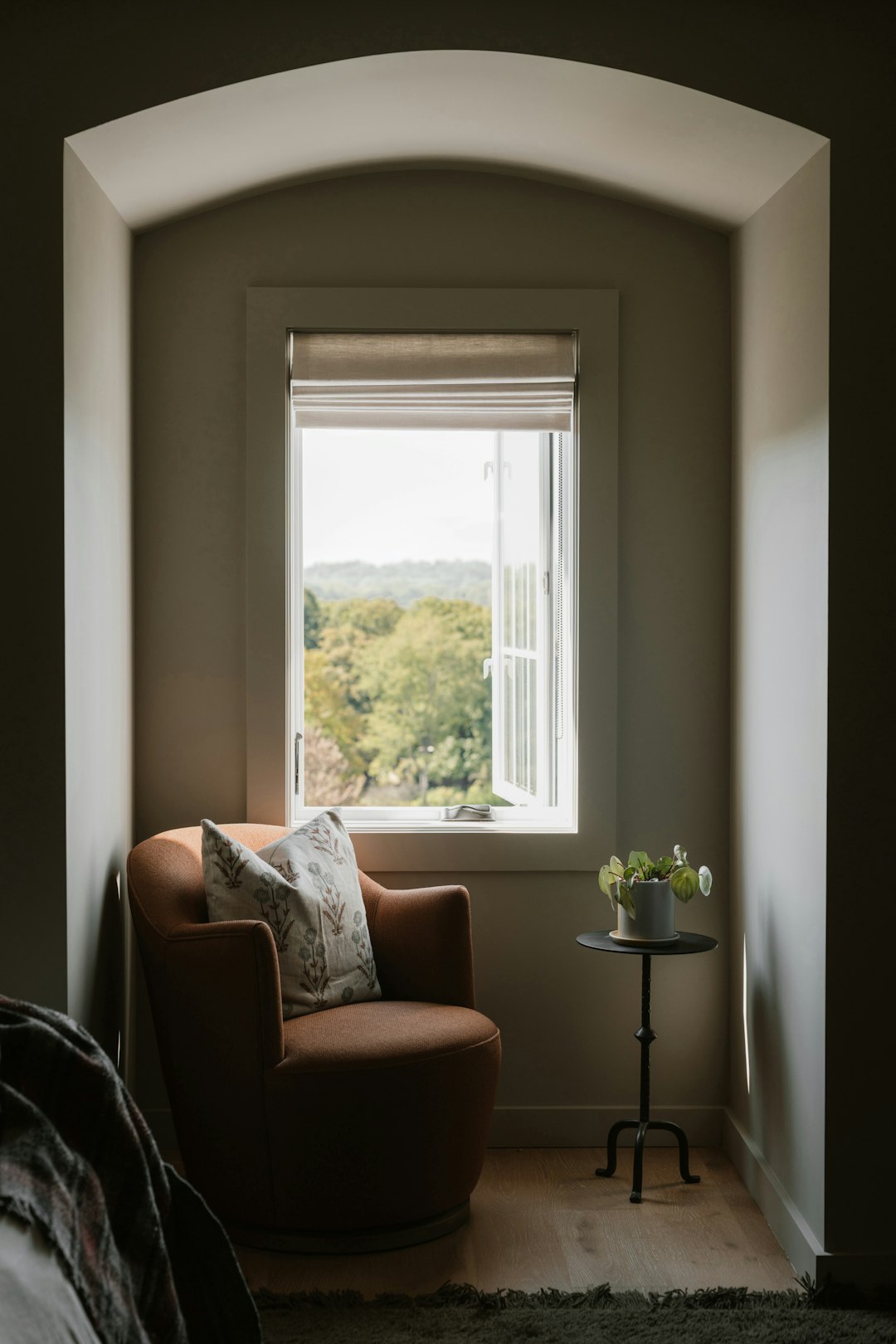
Instead of filling every surface, try displaying a favorite ceramic bowl on its own, placing one beautiful plant on a table, or grouping a few meaningful photographs together rather than spreading them throughout the room.
You don’t necessarily need to get rid of anything. Rotating pieces occasionally can give familiar belongings a new impact.
Choose Fewer Things That Work Well
Simplicity can also mean being more selective. One well-made coat that works for almost every occasion may be more useful than five jackets that rarely leave the closet. One dependable kitchen knife can be preferable to a drawer full of gadgets. A simple meal made with excellent ingredients can be more satisfying than an elaborate menu of disparate dishes.
Over time, knowing what works for you makes it easier to focus on the best and skip the rest.
Leave a Little Breathing Room
Not every corner needs furniture, not every wall needs artwork, and not every moment needs filling.
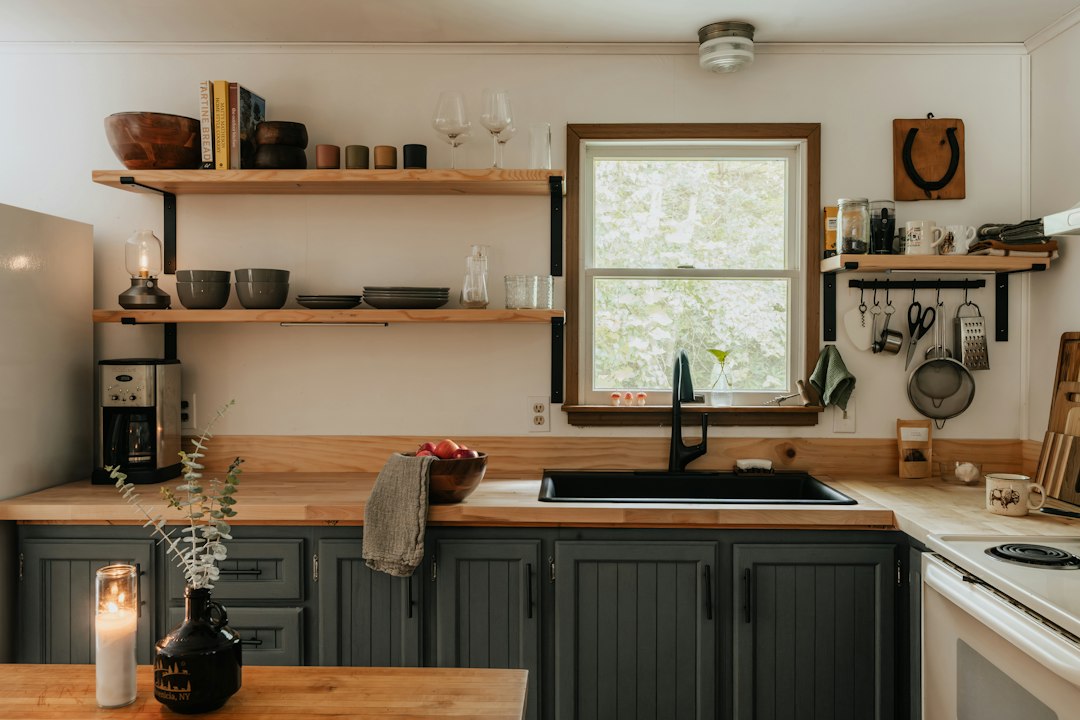
A clear kitchen counter makes cooking easier while also giving the kitchen a roomier feel. An uncluttered bedside table creates a calmer space that can make falling asleep and waking up a gentler endeavor. A garden with defined areas and room between plantings allows individual plants to thrive and shine.
Empty space isn’t necessarily unfinished space. Sometimes it’s the perfect complement to everything around it.
Why This Matters
Simplicity isn’t about deprivation or following a minimalist trend. It’s about becoming more intentional regarding what earns your space, attention, and time. When the things you keep are useful, meaningful, or simply beautiful to you, having fewer competing for attention can make them stand out even more.