Most of us put the garden to bed in October and wait for spring. But here is something worth knowing before you hang up your trowel: certain vegetables actually do better when you plant them in November, right before the cold sets in.
Three gardening experts spoke with Parade about exactly which ones and why the timing works in your favor.
Why November Planting Makes Sense
Christina Stembel, founder and CEO of Farmgirl Flowers, explains the logic simply. Vegetables that bloom in spring tend to do best when they spend the winter getting their roots established. They go into the ground in November, quietly take hold through the cold months, and then hit the ground running when the days start getting longer.
Brandy Hall, founder of Shades of Green Permaculture and author of The Complete Guide to Home Permaculture, adds that early November brings cooler temperatures, steady soil moisture, and fewer pests, all of which help cold-hardy crops get established. She also notes that keeping living roots in the soil through winter protects the soil itself and sets up a healthier garden come spring.
Where You Live Changes Everything
Before you head to the nursery, there is one important thing to sort out: your location determines what you can realistically plant in November.
If you live in the South, where winters are mild, you have plenty of options. Stembel says Southern gardeners can plant lettuces, chard, spinach, kale, broccoli, beets, carrots, radishes, peas, and many herbs in November.
Northern gardeners face a shorter list. Stembel says to think garlic, shallots, chives, and fava beans. Perennial herbs like sage, thyme, and rosemary can also go in the ground up north in November.
Melissa Keyser, founder of landscape design studio Cultivating Wild, lives in Maine and knows the northern limits firsthand. She says early November is really late for planting in her area, but it is the ideal time for garlic, and she might get a crop of radishes depending on the year.
One practical tip from Stembel: instead of starting from seeds in November, plant already-established plants and put them in the sunniest, best-draining spots you have. That gives them the best chance of settling in before winter arrives.
The 8 Vegetables to Plant This November
1. Fava Beans
Stembel calls fava beans a great dark horse option for gardeners in zones 7 through 10. Plant them now and they will shoot up come April and May, giving you the earliest possible spring harvest. She spaces them just 6 inches apart but warns that they get leggy as the days lengthen, so plan to stake them in early spring before they tip over.
Hall recommends well-draining soil in full sun. After harvest, she suggests leaving the roots in the ground to feed soil life and add organic matter. Fava beans also help support soil fertility and protect bare ground through the off-season.
2. Peas
Stembel learned the hard way that peas do not take well to early spring planting. Fall is when they want to go in. She recommends looking for overwintering varieties (snap, snow, and shelling peas) to make sure they survive the winter.
In some areas, overwintering peas can be ready to harvest as early as February. When you plant them, add stakes, a lattice, or a trellis right away so you do not disturb the root systems that develop before winter. Stembel also notes that peas taste their sweetest in cool weather, so pick them early.
3. Onions
Certain onion varieties, particularly short-day types, spend the winter developing leafy greens and strong roots, then use the longer daylight hours of spring to grow their bulbs. Stembel notes that overwintering actually helps these varieties grow a much bigger bulb than if you planted them in spring.
She recommends planting them shallow, at less than half an inch deep, and about a foot apart to give the bulbs room to grow without crowding.
4. Garlic
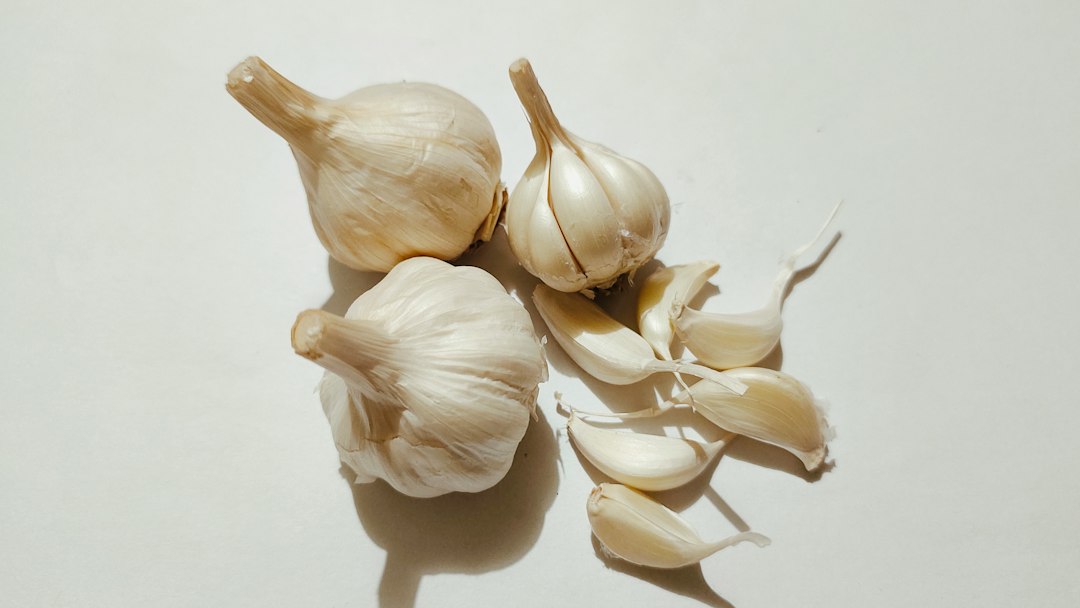
All three experts agree: November is the right time for garlic. Keyser says early November is the preferred planting window because the soil is still warm enough for roots to establish, but not warm enough or with enough daylight hours to push out sprouts, which would waste the plant’s energy.
Hall says to plant individual cloves with the pointed end facing up, about 2 inches deep. Both Hall and Keyser recommend adding a thick layer of mulch over the planting area to moderate soil temperatures through winter. Shredded leaves, straw, or even comfrey plant cuttings all work well as mulch.
5. Rhubarb
Most people think of rhubarb as a spring project, but Stembel says November (around the time of your first frost) is a solid alternative planting window, especially if you are starting from crowns rather than seeds. A crown is the section of the plant where the roots meet the stems, and it looks a bit like a piece of knotted wood.
Planting crowns in the fall means you can start harvesting sooner than if you started from seeds. Stembel also points out that rhubarb produces for decades once it is established, so give it a permanent spot it can really settle into.
6. Spinach
Like peas, overwintering spinach planted in fall delivers an early and sweet spring harvest. Stembel recommends cold-tolerant, savoy, or semi-savoy varieties, and says to get them in the ground at least a month before the first frost, sooner if you can.
Space plants about 6 inches apart to promote good airflow as they grow. In very cold climates, a layer of mulch helps them survive hard cold spells. Hall suggests sowing seeds densely in compost-enriched beds and covering plants with a low tunnel, cold frame, or frost cloth in colder regions.
7. Shallots
Hall says shallots behave a lot like garlic; they thrive when planted in late fall, develop strong root systems through the cold months, and often produce larger, healthier bulbs than shallots planted in spring.
Plant shallot sets in well-draining soil with the tip just above the soil surface. Mulch the planting area to help regulate soil moisture and keep winter weeds down.
8. Radishes
Radishes are the quick win of November planting. Keyser says some varieties are ready to harvest within a month and do not mind cool temperatures at all. She also points out that you can eat both the greens and the radishes at any stage, so even if temperatures drop sooner than expected, there is still something worth picking.
So before the first hard freeze arrives, it might be worth one last trip to the garden. A little work now could mean fresh garlic, sweet peas, and tender spinach waiting for you come spring.