Health research moves fast. Here are three findings from recent studies that are worth a few minutes of your time.
That Late-Night Snack May Be Harder on Your Liver Than You Think
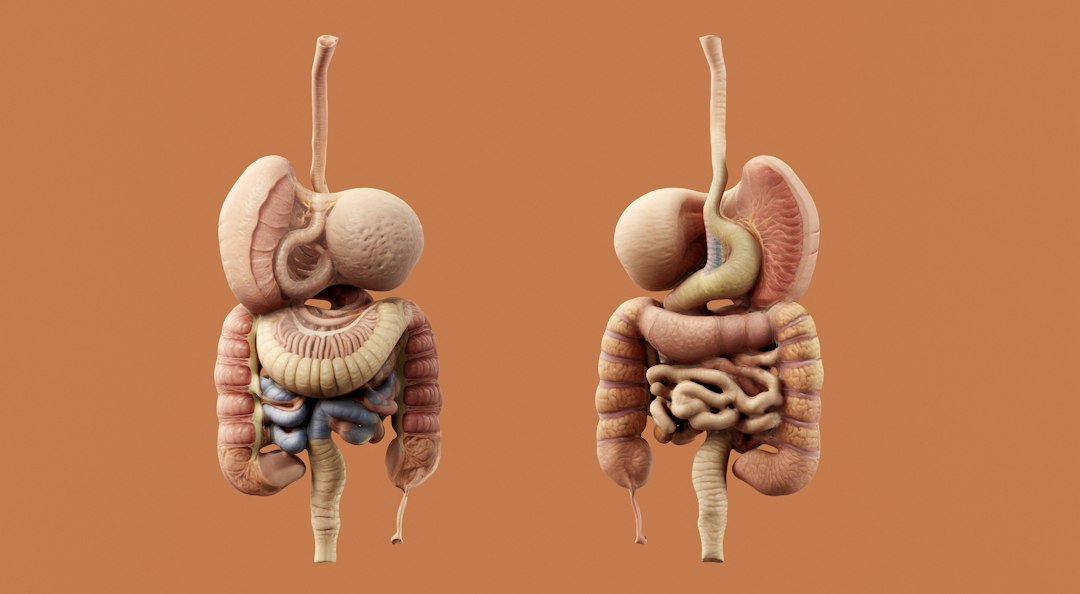
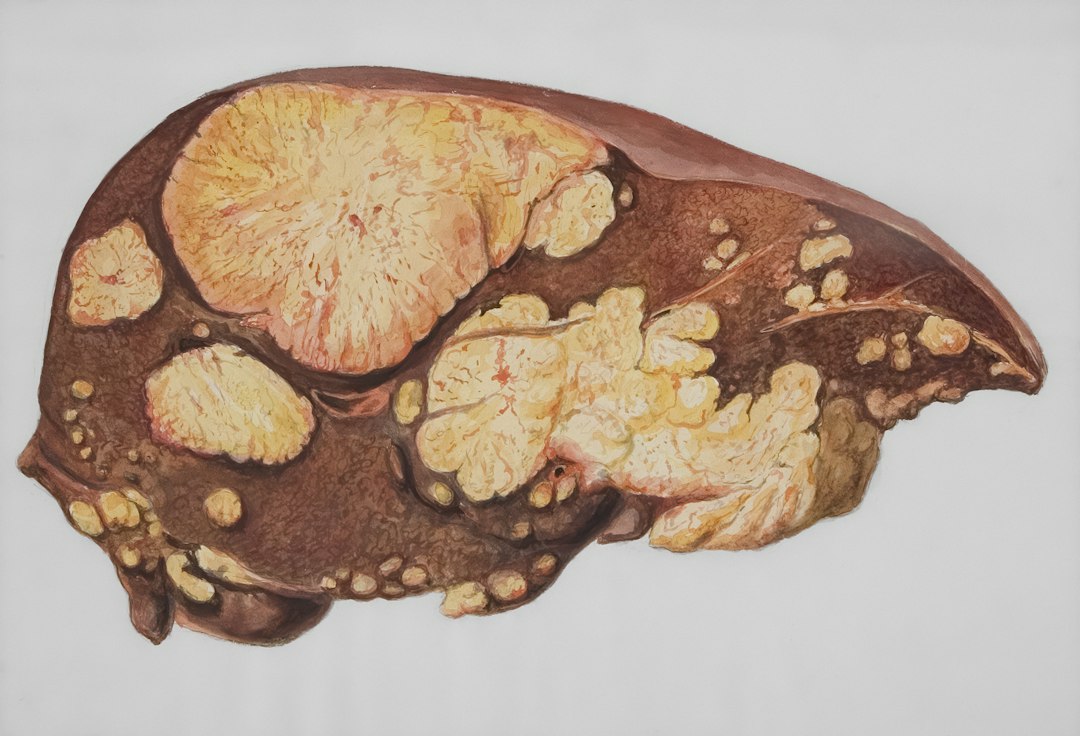
You have probably heard that eating late at night is not great for you. But a new look at the data suggests the liver in particular takes a real hit.
Researchers analyzed diet and lifestyle information from nearly 200,000 participants across three large U.S. studies, including the Nurses’ Health Study and the Health Professionals Follow-up Study. People who reported eating after dinner or after bedtime had a 20 to 30 percent higher rate of liver disease than those who did not eat late at night.
That includes metabolic dysfunction-associated steatotic liver disease (formerly called fatty liver disease) and cirrhosis.
Why might this be? The liver is closely linked to your body’s internal clock. Eating during the biological night may reduce its ability to process food efficiently. The data here is self-reported, so researchers suggest treating the specific numbers with some caution. But the connection is considered credible.
A Wristwatch That Monitors Your Electrolytes in Real Time
Questions about electrolytes come up a lot, especially in warm weather or after exercise. Are you getting enough potassium? Too much sodium? Not enough magnesium?
Researchers led by Dr. Isao Shitanta have developed a wristwatch-type sensor that monitors sodium and potassium levels in your sweat as you go about your day. The device uses sodium- and potassium-selective electrodes, a fabric and superabsorbent-fiber layer that collects sweat, and digital electronics that transmit measurements wirelessly and store data on a micro-SD card.
The goal is to help people manage hydration more precisely, knowing not just whether you need more water, but whether you need more potassium or more sodium. The researchers are already looking toward future versions that would also track sweat volume and water intake.
Right now, the device is aimed at construction and manufacturing workers, athletes, and people active outdoors in hot conditions. But the technology itself is an interesting sign of where personal health monitoring is heading.
Vaccines May Protect Your Immune System Long After the Illness Is Gone
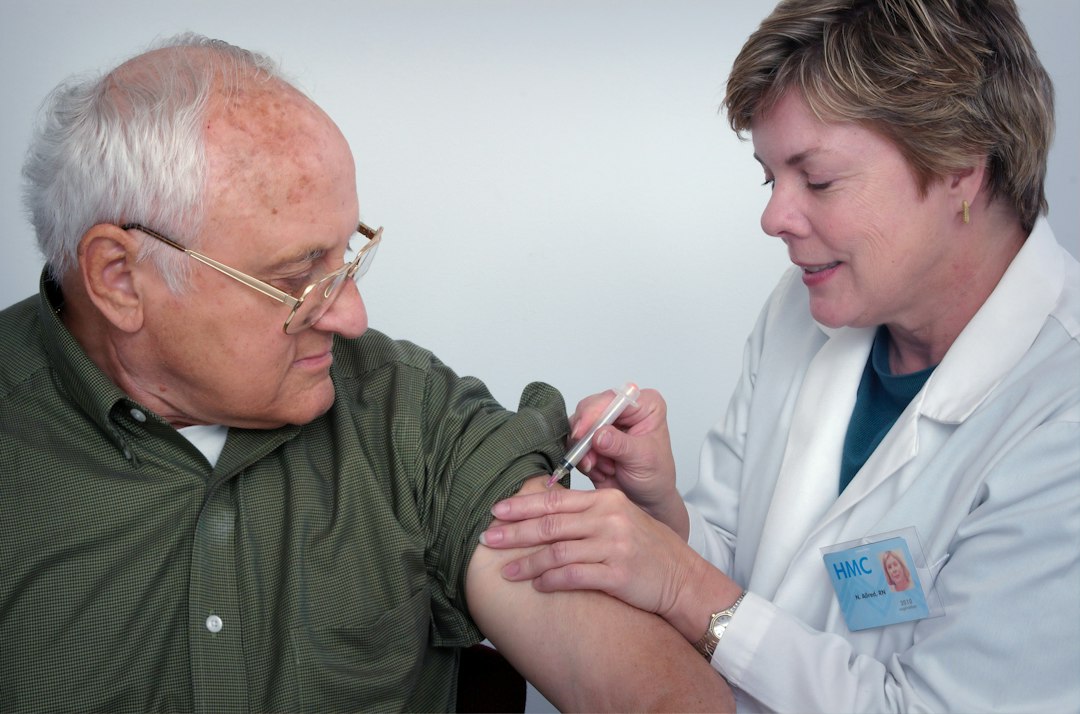
Most of us think of vaccines as protection against getting sick in the first place. But new research suggests they may do something more; they may protect your immune system from lasting damage caused by a viral infection.
In a mouse study by Dr. Paula Cebollada Rica and colleagues, unvaccinated mice that recovered from an acute viral infection showed immune problems that lingered well after the illness itself had passed. Specifically, the research found fibrosis and disrupted organization of the spleen, which affected the interactions between immune cells needed to activate T-cells. That weakened their ability to mount new immune responses down the road.
Vaccinated mice (that were still deliberately exposed to the same infection by researchers) showed none of those spleen changes or T-cell problems. Their immune function remained similar to mice that had never been infected at all.
In short, the researchers found that vaccination appears to protect against longer-term immune consequences of acute viral infections, not just the immediate illness.
Three different topics, one common thread: small things you do every day; when you eat, how you stay hydrated, and whether you keep up with vaccines can matter more than you might expect.