Most dog lovers can name a Husky or an Alaskan Malamute without hesitating. But there is another sled dog (one born right here in America) that most people have never heard of. And its story is unlike any other breed’s.
It is called the Chinook. New Hampshire made it the official state dog in 2009, and once you hear how it got there, you will understand why.
One Man, One Vision, One Litter
The Chinook traces its roots to a small town called Wonalancet, nestled in New Hampshire’s White Mountains. In the early 1900s, an explorer and sled-dog driver named Arthur Treadwell Walden lived there. He had a specific goal: develop a dog that combined the speed of a racing sled dog with the raw strength of a freight dog.
According to the American Kennel Club, Walden’s dogs were also known for their friendly, gentle temperaments. The Chinook Club of America dates Walden’s foundation litter to January 17, 1917.
One puppy from that litter would give the entire breed its name.
Named for a Dog He Loved
Walden named that standout puppy Chinook, after a sled dog he had worked with years earlier while hauling supplies for gold miners in the Yukon. The New Hampshire Chinook grew into a celebrated lead sled dog and became the foundation sire of the entire breed.
The AKC says all modern Chinooks descend from that one original dog. His descendants eventually took his name as their own.
Walden and his Chinook team also helped shape sled-dog culture across New England. Walden founded the New England Sled Dog Club in 1924, and the two of them are credited with helping introduce sled-dog racing to the region.
Antarctica, and a Heartbreaking End
In the late 1920s, Walden joined Admiral Richard E. Byrd’s first Antarctic expedition as a dog driver and trainer. The Chinooks were not along for the ride. They were working dogs, and the work was hard.
According to the AKC, Walden’s dogs hauled 650 tons of equipment and supplies from ships to base camp over roughly three months.
The original Chinook was about 12 years old at the time (a senior dog, by any measure) and he still worked during the expedition. Sadly, he disappeared in Antarctica and was never recovered. His descendants, though, carried his name forward.
Down to 11 Dogs
What happened next is almost hard to believe. The Chinook came dangerously close to disappearing entirely.
The Guinness Book of World Records listed the Chinook as the world’s rarest dog breed in 1965. By 1981, only 28 Chinooks remained and many of those were too old or had already been neutered. Just 11 dogs were still suitable for breeding.
Three dedicated breeders divided those 11 dogs among themselves and began a careful effort to bring the breed back. Their quiet, determined work made all the difference.
A Comeback and an Official Honor
More than 90 years after that original 1917 litter, students at Lurgio Middle School in New Hampshire campaigned to have the Chinook officially recognized as the state dog. Governor John Lynch signed the legislation in 2009. It is now written into New Hampshire law, Section 3:25, and took effect on August 7, 2009.
The breed reached another milestone in 2013, when the American Kennel Club granted it full recognition and placed it in the Working Group. At the time, 813 Chinooks were registered. The breed entered the AKC’s Foundation Stock Service back in 2001, so that recognition had been a long time coming.
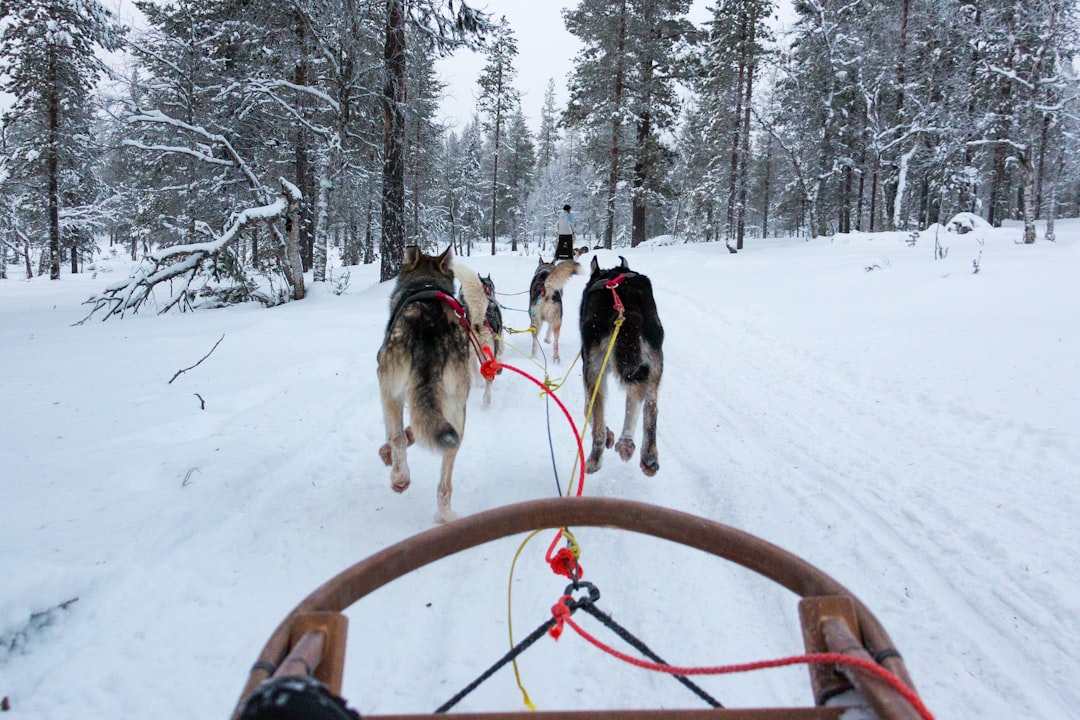
Today’s Chinooks still sled and skijor, but they also compete in agility and obedience, go on packing trips, and serve as loyal family companions.
A Breed That Refused to Quit
The Chinook’s story is really several stories woven together. A man with a vision. A dog with a name worth keeping. A polar expedition that tested them both. A near-extinction that a handful of people refused to accept.
And somewhere in New Hampshire’s White Mountains, where it all began, that story is still going.