
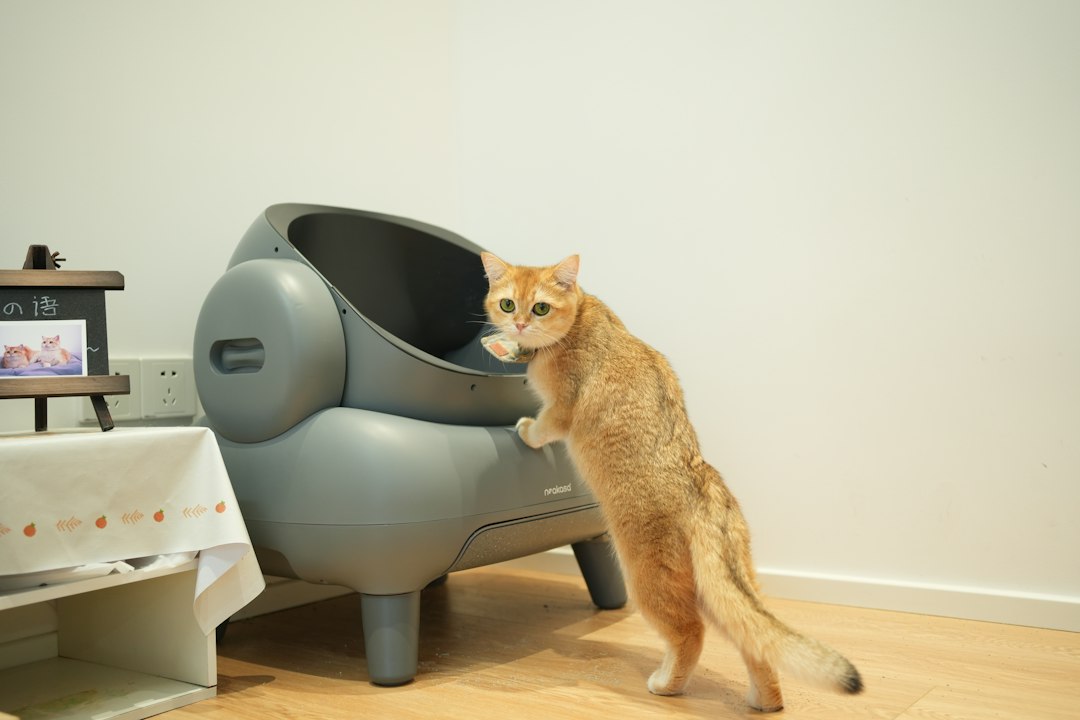
Cats have been ruling households for thousands of years. Ancient Egyptians worshipped them as deities. In Norse mythology, the goddess Freya traveled by sled pulled by two cats. And if you share your home with one, you already know who is really in charge.
Part of that arrangement involves the litter box. And according to the experts, most of us are doing it at least a little bit wrong.
“The most common mistake people make when it comes to their cat’s litter is creating a setup that works for them instead of for the cat,” told Samantha Bell, cat expert and content strategist for the nonprofit rescue Best Friends Animal Society, to The Guardian. “But we bring our cats into our homes, so we need to do our best to ensure they are as comfortable as possible, and a litter box is a huge part of their comfort.”
How Many Litter Boxes Do You Actually Need?
Here is a simple rule from Dr. Lori Bierbrier, senior medical director of community medicine for the ASPCA: one litter box per cat, plus one extra. Two cats? You need three boxes. Three cats? Four boxes.
If your home has more than one floor, Dr. Bierbrier says there should be a litter box on each level. Cats should not have to travel far when the need strikes.
Can cats share a box? Yes, says Dr. Marci Koski, certified feline behavior and training consultant and owner of Feline Behavior Solutions. It can even help them get comfortable with each other. But if your cats do not get along well, more boxes in more locations is the smarter move.
What Makes a Good Litter Box Setup?
Dr. Koski says it does not have to be complicated. A few key things make all the difference.
- Size matters. Most store-bought boxes are too small, says Bell. The box should be one and a half times the length of your cat, nose to the base of the tail. That gives them enough room to dig, turn around, and cover their waste without bumping the walls.
- Open is better. Most cats prefer an open box over a covered one, says Dr. Koski. It gives them a wider field of view and helps them feel safe. It also keeps odors from being trapped in an enclosed space. The entry should be low enough for easy access, Bell adds.
- Location counts. Cats want a quiet spot where they can see who is approaching and have more than one way out, says Dr. Bierbrier. Avoid placing the box near a washer and dryer or anywhere with heavy foot traffic. And keep it well away from food and water bowls. Cats are clean creatures and do not want their bathroom near their kitchen.
- Use the right litter. House cats descended from wild desert cats, says Bell, and some of those instincts are still there. That means they tend to prefer something close to sand. Dr. Bierbrier says most cats do best with unscented, clumping litter with a medium to fine texture. Fill it two to three inches deep so they can comfortably bury their waste.
How Often Should You Clean It?
The experts are in agreement here: scoop at least once a day. If multiple cats use the same box, or if your cat is particular about cleanliness, you may need to scoop more often than that.
Beyond daily scooping, the litter itself needs a full replacement now and then. Dr. Koski says pine or paper litters may need changing every two to three days. Clumping clay litters can go about a month before a full swap.
The box itself should be replaced every year or two. Bell says to watch for scratches on the inside surface. Those scratches can trap bacteria and odor, no matter how well you clean.
Signs Your Cat Is Not Happy With the Box
Your cat will tell you something is wrong. You just have to know what to look for. Dr. Bierbrier says signs of a litter box problem include:
- A strong, foul odor coming from the box
- Excessive meowing or crying around the box
- Perching on the edges to avoid touching dirty litter
- Rushing in and out quickly with little or no digging
- Scratching at the walls or floor around the box instead of inside it
The biggest red flag is when a cat stops using the box altogether. Bell says this is never stubbornness or spite. Cats are clean animals. If they are going outside the box, they are trying to tell you something is not right.
Do not scold them for it. Instead, call the vet. Bell’s own cat urinated on her one night, and the next day a vet visit revealed he had diabetes, which causes increased thirst and, for a senior cat, less bladder control during sleep.
Dr. Koski adds that a dirty litter box can also cause urinary tract infections in cats, and those can be immensely painful.
Your cat has kept your company through a lot of good years. A clean, comfortable litter box is one of the simplest ways to return the favor.