If you grew up watching Little House on the Prairie, you got a glimpse of just how hard frontier life really was. Settlers packed everything they owned into covered wagons and headed west, facing severe weather, rampant illness, and a landscape that offered no guarantees.
It is no wonder they leaned on superstitions. When you cannot control your circumstances, you find other ways to feel safe. Here are five beliefs that frontier settlers held onto and a few you might still recognize today.
A Horseshoe Above the Door
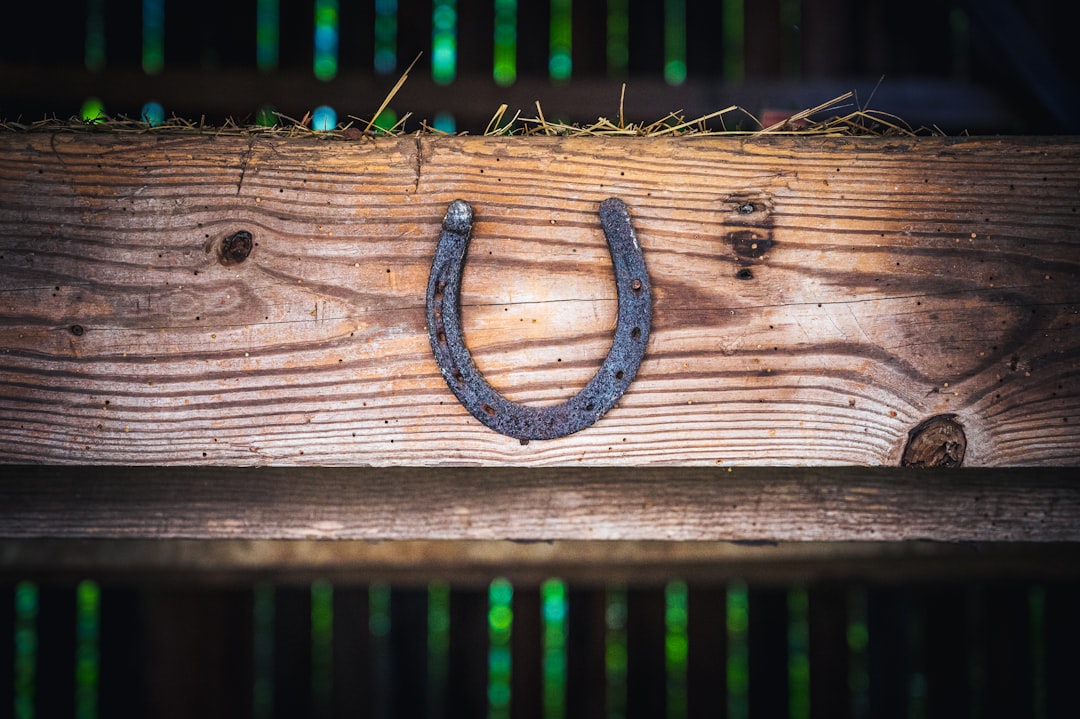
Settlers nailed horseshoes above their doorways to ward off witches, evil spirits, and bad luck. Hung open-end up, the horseshoe was believed to capture good fortune. Hung the other way, it would let blessings rain down on everyone who walked through the door. Either way, you really could not go wrong.
Shoes also played another role. Pioneers would hide old shoes inside walls, near chimneys, or above ceilings to trap evil spirits before they could enter the home.
And then there were witch bottles, glass bottles filled with nails, hair, and pins, buried under the hearth to destroy evil forces and protect the household from misfortune.
Cowboys and Their Hats
On the cattle frontier, a cowboy’s hat was serious business and not just for keeping the sun off. Setting a hat on the bed was considered a sign of terrible luck, possibly even a sign of sudden death. Hats were often placed on the coffins of the deceased, which gave that particular superstition a dark and very real origin.
Hats also had to be stored crown-up at all times. Resting them upside down was believed to let all the luck spill right out.
Inheriting someone else’s old boots was risky, too. The belief was that you might also inherit their bad luck, unless you cleaned the boots thoroughly before wearing them.
And spilling salt? That one endures to this day. On the frontier, a spill meant you had to throw a pinch over your left shoulder to ward off the evil spirits thought to be lurking just behind you.
What Happened While You Slept
Settlers believed that sleep paralysis, that eerie feeling of being unable to move just before falling asleep or waking up, was caused by witches or evil spirits. Bad dreams were considered real omens, possibly tied to actual coming events. Oxford Academic has described these as the original nightmare: supernatural reflections of a person’s deepest wishes and fears.
Native Americans on the frontier had their own protection. Dreamcatchers, web-like charms hung above sleeping spaces, were crafted to catch evil spirits and bad dreams before they could reach the sleeper. The Ojibwe peoples, in particular, believed dreamcatchers also protected infants from harm.
Creatures of the Frontier
No list of frontier superstitions would be complete without the Jackalope, a mythical giant jackrabbit with antlers like a deer. Its origins are uncertain, possibly a blend of European storytelling and Native American folklore. It was said to mimic human speech and lure people out into the night.
Some settlers were so wary of the Jackalope that they wore stovepipes on their legs for protection in case of an attack. Here is the curious part: there was an actual disease on the frontier that caused jackrabbits to develop horn-like growths. So the idea was not entirely without a strange kind of basis.
Native Americans also believed in the Thunder Bird, a gigantic creature whose powerful wings were said to bring rain, thunder, and change.
Never Whistle at Night
Cowboys on the frontier had one firm rule about whistling at night: don’t. They believed it would attract danger, coyotes might hear and attack, and in the supernatural realm, it was thought to draw in evil spirits looking for an invitation.
Even whistling indoors was considered a bad idea. It did not matter whether you were worried about the cattle or the spirits. Either way, you kept quiet after dark.
Life on the frontier was uncertain in ways most of us will never fully know. But reading these old beliefs, it is easy to understand why people reached for them. When the world feels beyond your control, you hold on to whatever gives you a sense of safety, even if it is just a horseshoe above the door.