When someone says “100 years ago,” most of us picture the 1800s. But 1926 was actually the Roaring Twenties: flappers, automobiles, and electric lights. It sounds almost modern.
Almost. Because winter in 1926 was a whole different kind of survival story. There was no thermostat to turn up. No grocery delivery when the roads iced over. Getting through a cold season meant months of planning before the first snowflake fell.
Here is what that looked like, according to Mental Floss.
Sealing Up the House
Central heating did not become common in American homes until at least the 1950s. In the 1920s, most families relied on fireplaces and stoves. There was no insulation in the walls, either.
So every autumn, farmers and city-dwellers alike went around their homes stuffing mud and spare cloths into any crack or hole they could find. It was a seasonal ritual, your best shot at keeping the cold air out and the warm air in.
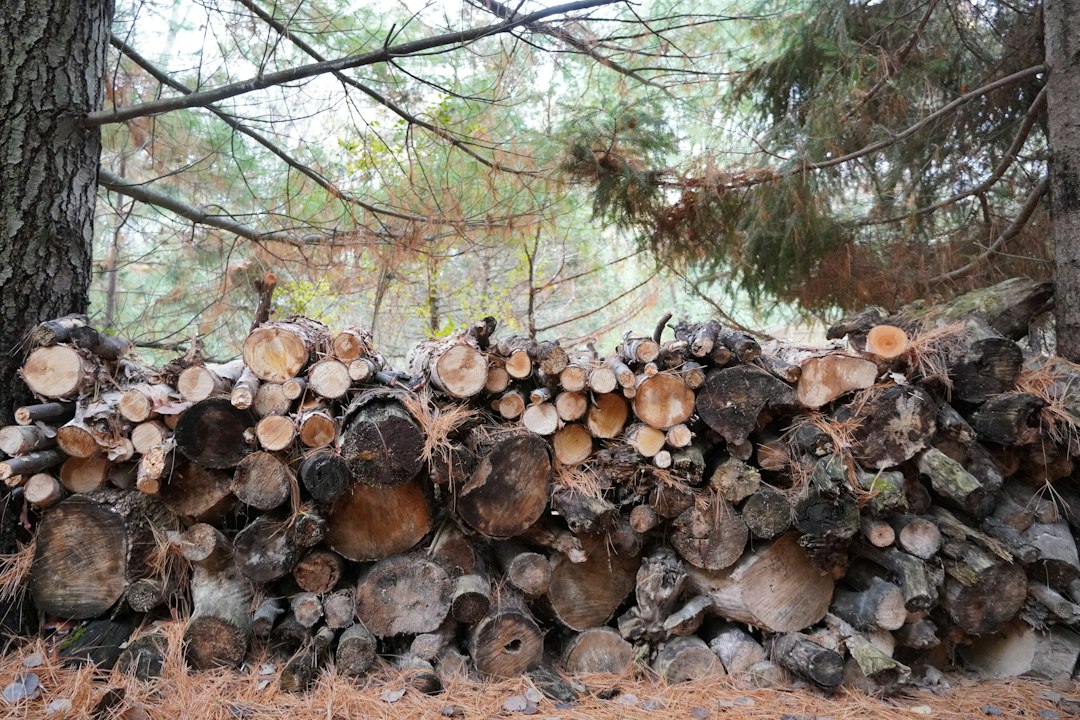
Firewood was everything. Families stacked it as high as the rooftops against the outer walls of their homes, starting around harvest season. As the winter months dragged on, that wood became more precious by the week. You did what you could to make the supply last until spring.
Keeping the Car Running, or Not
Motorized snowplows had been invented by the 1920s, which helped clear roads for automobiles. Some people even bought car-mounted plows for their own vehicles, since back roads and rural lanes did not always get plowed by government crews.
But antifreeze had not been invented yet. That meant cars needed daily attention just to stay functional. Every day, you drained all the liquid from the radiator. You also put boxes of baking soda inside the cab to absorb moisture. One missed morning could mean a cracked radiator.
Many people simply decided it was not worth the trouble. They put their cars up on blocks and stored them for the winter entirely. No car, no daily chores. Easier all around.
Stocking the Pantry
A big snowstorm did not just cancel your plans. It could delay food deliveries to the stores that supplied your town. Running out of food mid-winter was a real possibility.
Most families canned their own food in mason jars and salted and preserved meats to last through the cold months. Having a good store of canned goods set aside was simply part of how you managed.
Refrigerators existed in 1926, but they were luxury items that most families could not afford. Instead, people made use of something they already had: a drafty house. A closet or storage space away from any heat source could be converted into makeshift cold storage. Ice harvested from frozen rivers and lakes kept it even colder.
Dressing for Survival
The fire in the stove or fireplace would burn down overnight, which meant waking up to a genuinely cold house every single morning. Warm clothes and bedding were not just about comfort, they were about staying safe.
Thick wool, flannel, and fur were the materials of the day. Thermal underwear (long underwear) was worn by most people and kept the body’s heat from escaping. It was not a fashion choice. It was a necessity.
Women who wanted to stay stylish that winter wore slim-fitted fur coats and velvet dresses. The short, sequined looks of summer were put away until warmer days returned.
It is a long way from adjusting the thermostat before bed. Our grandparents earned their winters the hard way, and come spring, they had genuinely worked for it.