
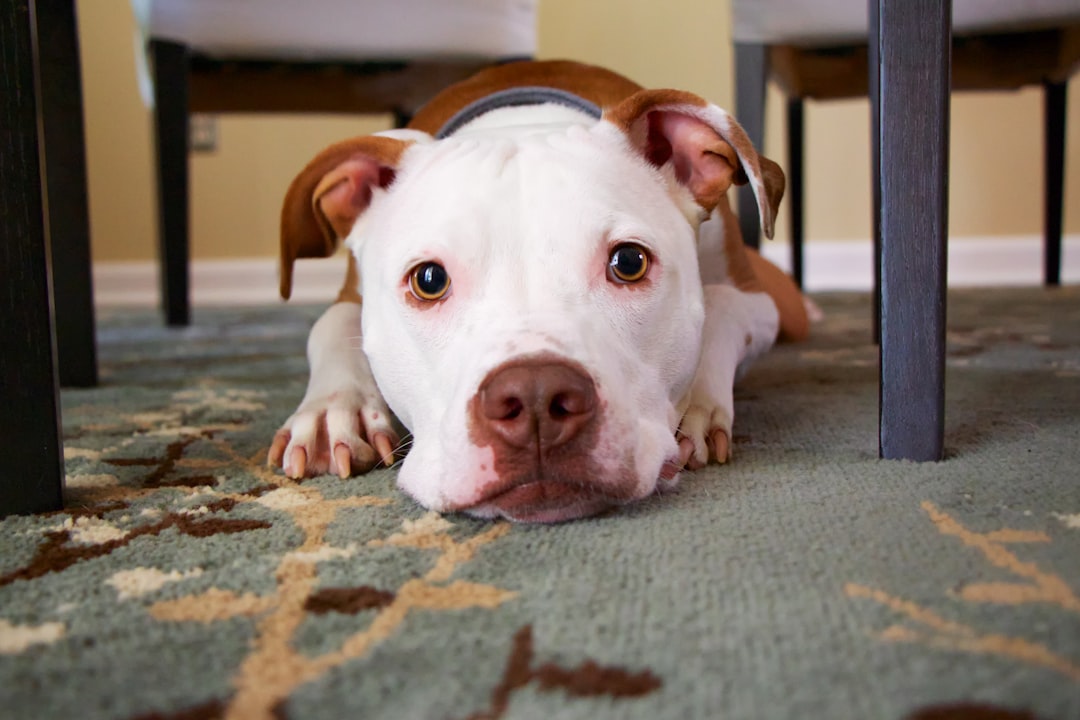
Most of us know that our dogs can be a little destructive when left alone. Chewed shoes, knocked-over trash cans, a pillow turned into confetti. But there is one thing your dog might do that goes way beyond a mess, he can actually start a fire.
That is exactly what happened to a family in Chapel Hill, North Carolina. They watched through their home security camera as their dog chewed on a device containing a lithium-ion battery and started a fire right on their living room rug. Everyone was OK. But it could have ended very differently.
To understand how this happens and what you can do about it, fire investigator Richard Meier sat down to explain the danger. Meier is the principal expert at Meier Fire Investigation. He has spent more than 15 years on the job and has overseen more than 700 fire and explosion investigations nationwide.
Why Lithium-Ion Batteries Are So Dangerous
The short answer: thermal runaway. That is what happens when a lithium-ion battery enters a state of uncontrolled self-heating. It can be triggered by physical trauma, like a dog bite, or by an internal failure during charging or discharging.
“What’s going to happen is that they will puncture the battery, or just the force of the bite will cause some internal damage to the battery, which will cause an electrical short between the anode and the cathode,” Meier says. “It gets hotter and hotter, and it can’t dissipate the heat.”
From there, things escalate quickly. “More and more failures occur internally, and then it ends up being a fire or an explosion,” Meier says. To make matters worse, lithium fires are extremely hard to put out. For larger fires, like those involving car batteries, firefighters can end up using thousands and thousands of gallons of water.
What Items Around the House Contain These Batteries?
Quite a few things you probably leave lying around. “The mouse on my computer right now has a lithium-ion battery in it,” Meier says. Cellphones and remote controls are on that list too.
Here are some common household items that contain lithium-ion batteries:
- Cellphones
- Television remote controls
- Computer mice
- Smart watches
- Fitness trackers
- Earbuds
- Flashlights
- Radio-controlled toys
- Rechargeable vape devices
“Generally speaking, the bigger the battery, the bigger the problem,” Meier says. Smaller batteries can still fail — they are just less likely to cause a catastrophic fire. But any failure has the potential to ignite nearby materials like rugs, curtains, and bedding.
And it is not just dogs you need to watch. Meier notes that cats chew on electrical cords too. Whatever pet you have, it pays to be aware.

Electrical Cords Are a Risk Too
Lithium-ion batteries are not the only hazard. Dogs and cats chew on electrical wires, and that is a serious problem. Between 2020 and 2024, the National Fire Protection Association reported more than 46,000 annual home structure fires caused by electrical failure or malfunction, a category that includes chewed wires and cords.
Electrical fires account for 13 percent of all home structure fires and 18 percent of all home structure fire deaths each year. Those are sobering numbers for any pet owner.
The older statistic from the National Fire Protection Association, that pets cause about 1,000 home fires a year, is likely higher today, according to the article. Beyond chewing, pets can accidentally knock over candles and even turn on stove burners.
Simple Steps to Keep Your Home Safer
Meier’s advice is straightforward: pick up your things. Do not leave devices lying around where a pet can reach them, whether you are home or away. “Put devices in a place where pets can’t get to them, and keep an eye on your pets when you’re home,” he says.
He also recommends not charging devices on the couch or in bed. That is a fire risk on its own, separate from any chewing concern.
One more thing worth knowing: do not throw old devices in the regular trash. Anything with a lithium-ion battery should go to a proper recycling facility. Meier says these batteries cause hundreds of fires every year at waste facilities. “They don’t get a lot of reporting, but it’s a constant danger for them.”
The good news is that small changes make a real difference. Put your phone on a shelf. Tuck your remote in a drawer before you head out. It takes about 30 seconds and it could save your home.