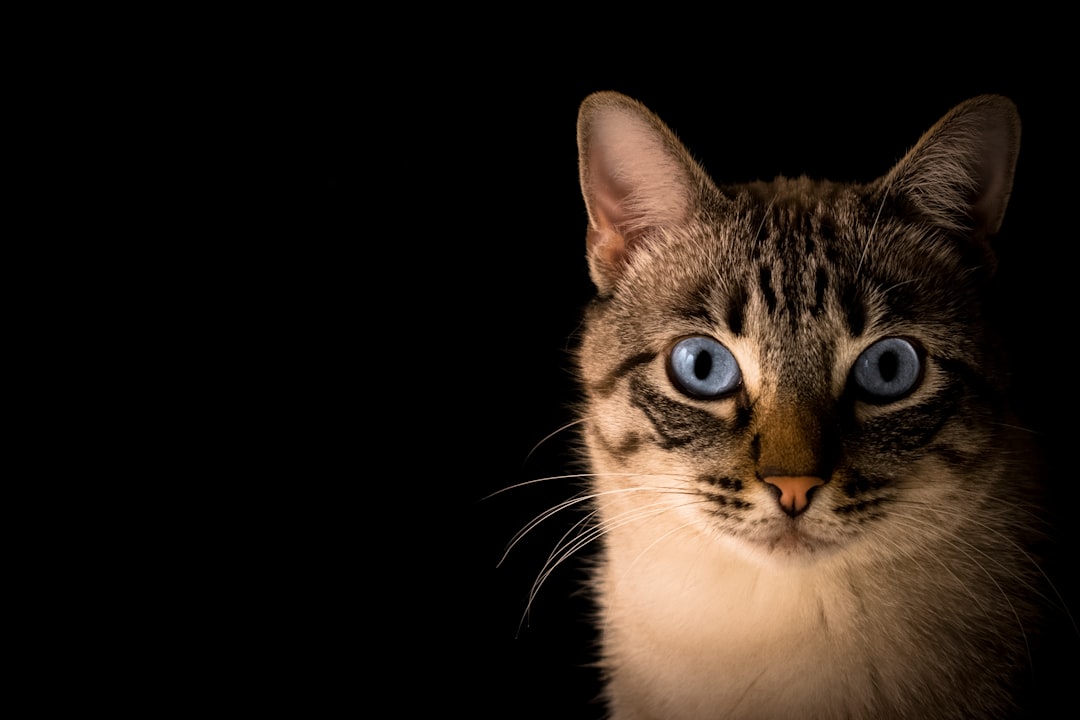
You know that look your cat gives you. The slow blink. The narrowed eyes when you open the wrong cabinet. The wide-eyed stare at absolutely nothing in the corner of the room.
Turns out, those expressions mean a lot more than we ever realized.
Researchers have found that cats are capable of up to 276 unique facial expressions. That is not a small number. It puts cats firmly in the company of animals we have long considered deeply social and communicative.
Each expression involved four of 26 distinct facial movements. Things like parted lips, jaw shifts, and even changes in pupil size. Researchers cataloged all of it.
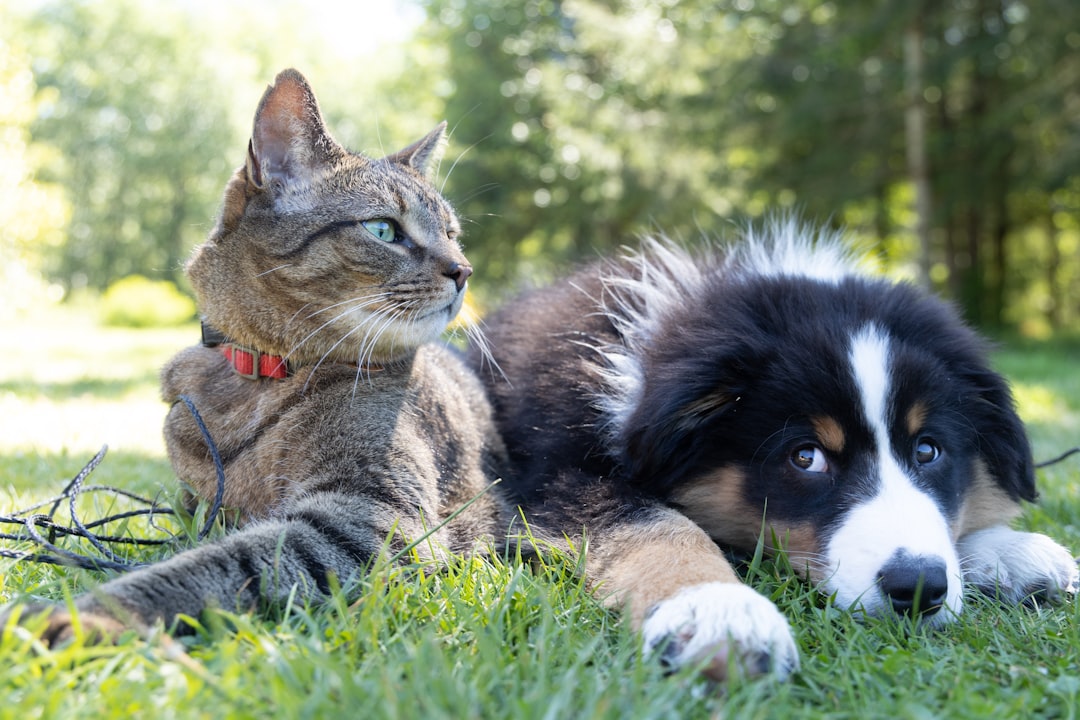
Cats have a reputation for being aloof and independent. And yes, they do enjoy their alone time. But felines are actually quite social creatures. They form bonds with their littermates, live in colonies, and may connect with their pet parents just as deeply as dogs do.
All those expressions are part of how they do it. That face your cat makes when you walk through the door? It is communication.
The findings came out of an unlikely research site. A cat café in Los Angeles, a nonprofit rescue where visitors come to meet adoptable cats. Two researchers, Lauren Scott and Brittany Florkiewicz, spent roughly ten months filming there after the doors closed for the day. They came away with 194 minutes of footage and 688 facial signals to sort through, all of them aimed at other cats rather than at people.
Then came the tedious part. Every ear twitch, every nose lick, every half blink coded by hand. Breathing and yawning were left out, since those carry no message. What remained was the vocabulary.
The tally: about 46 percent of the expressions showed up in friendly moments. Around 37 percent appeared during spats and standoffs. The rest turned up in both.
Some of it is easy to spot once you know to look. Ears and whiskers pointed forward, eyes softly closing. That is a cat at ease. Pupils pulled tight, ears flattened back against the skull, a quick swipe of the tongue across the lip. That one is a warning, and it is worth respecting.
There is even a play face. Jaw dropped, corners of the mouth drawn back. Anyone who has watched two cats tumble across a living room rug has seen it a hundred times without ever having a name for it.
For a sense of scale, dogs have 27 facial movements to work with, and humans have about 44. Cats have 26, and they stack them into 276 different combinations. Chimpanzees, by comparison, produce 357.
Which brings us back to that slow blink.
Scientists at the Universities of Sussex and Portsmouth tested it directly and published their results in Scientific Reports. When owners slow blinked at their own cats, the cats were more likely to slow blink back. In a second experiment, a stranger tried it. Those cats were more likely to approach the stranger’s outstretched hand after a slow blink than after a neutral stare.
So it works. And it works even with a cat who has never met you before. A related study found that shelter cats who returned the slow blink tended to be adopted more quickly.
The bond underneath all this has been measured, too. Researchers at Oregon State University put more than a hundred cats through a version of the test long used to study attachment in human infants. About 65 percent of the cats qualified as securely attached to their person. That is very close to the share of human babies who do the same.
None of this will come as news to anyone who has shared a home with the same cat for years. The one who knows the sound of the car in the driveway. The one who appears on the arm of the chair at the same hour every afternoon, without fail, whether or not she was invited. The research simply put numbers to something that was already being felt.
So the next time your cat settles in and looks up at you with that particular gaze, go ahead and look back. You are both saying something.
And if you narrow your eyes a little while you do it, you may get an answer.