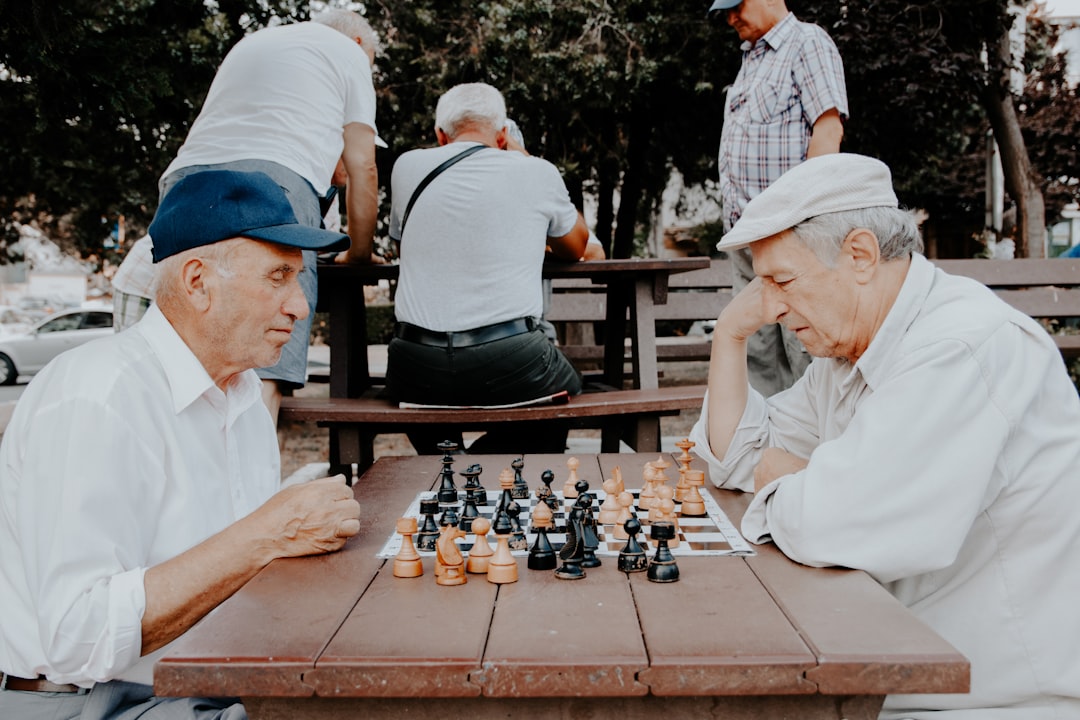
Retirement looks different for everyone. Some folks take to it instantly. Others find it harder than they expected: lonelier, quieter, less satisfying than they had imagined.
So what separates the retirees who are genuinely happy from those who are not? Psychologists who work with this generation say the answer comes down to three things.
They Do What They Actually Love
Steven M. Sultanoff, PhD, psychologist, professor at Pepperdine University, and author of The Humor Infusion, says staying busy is not the whole story. The happiest retirees are not just filling their calendars. They are following their passions.
“Those happiest in retirement follow their passions,” Sultanoff says. “It is about following and engaging with your passion and then day by day, week by week, month by month, or even moment by moment, making choices about what you want.”
His advice? Let go of what you think you should be doing. Focus on what you want to do instead. Sultanoff says that releasing those self-imposed rules is one of the hardest parts of retiring and also one of the most important.
They Have Done the Inner Work
Robyn McKay, PhD, LP, psychologist, says many happy retirees share something else: they have already tended to their mental health. They have worked through old guilt, healed difficult relationships, and made peace with their past.
McKay says these retirees typically found balance through practices like meditation, prayer, reading, and journaling. And they also stay connected to the people and causes that matter most, including:
- Spending time with family, especially grandchildren
- Giving back to their communities
- Helping others in meaningful ways
They Get Creative
McKay also pointed to research by Barbara Kerr, PhD, published in her book The Psychology of Liberty: Reclaiming Everyday Freedom. Kerr found that retirees who reported the most joy were spending their free time doing creative things, everything from gardening to writing poetry.
The key detail? They were doing these things purely because they wanted to. Not as a side job. Not out of obligation. Just for the joy of it.
Your Path Is Your Own
None of this means there is one right way to enjoy retirement. Sultanoff is clear on that point. “There is no roadmap. There are no universal activities that lead to happiness,” he says. “Each of us needs to find those activities that follow our passion.”
The good news? You now have the time to figure it out. And that, all by itself, is something worth celebrating.