
Most of us know that what we do during the day affects our heart. Exercise. Diet. Stress levels. But something happens every single night that matters just as much, and most people never think about it.
It’s how you breathe while you sleep.
The American Heart Association lists getting 7 to 9 hours of quality sleep as one of the key pillars of heart health. And sleep doctors say the way you breathe during those hours plays a bigger role than most people realize.
Why Your Sleeping Hours Matter for Blood Pressure
Dr. Matthew Scharf, MD, Ph.D., director of sleep medicine at Hackensack Meridian Southern Region, explains that blood pressure naturally drops during sleep. Doctors call this the “nocturnal dip.” That nightly drop is important for protecting your heart.
When sleep is disrupted, that dip often disappears. And without it, your risk of heart disease can climb.
Dr. Yi Cai, MD, assistant professor and director of sleep surgery at Columbia University Irving Medical Center, puts it plainly. “Sleep is one of the major ways the cardiovascular system resets overnight,” she says. Poor sleep, whether from short duration, insomnia, sleep apnea, or irregular schedules, is linked to higher risk of high blood pressure, coronary artery disease, stroke, atrial fibrillation, heart failure, and cardiovascular death.
The Habit Sleep Doctors Are Watching
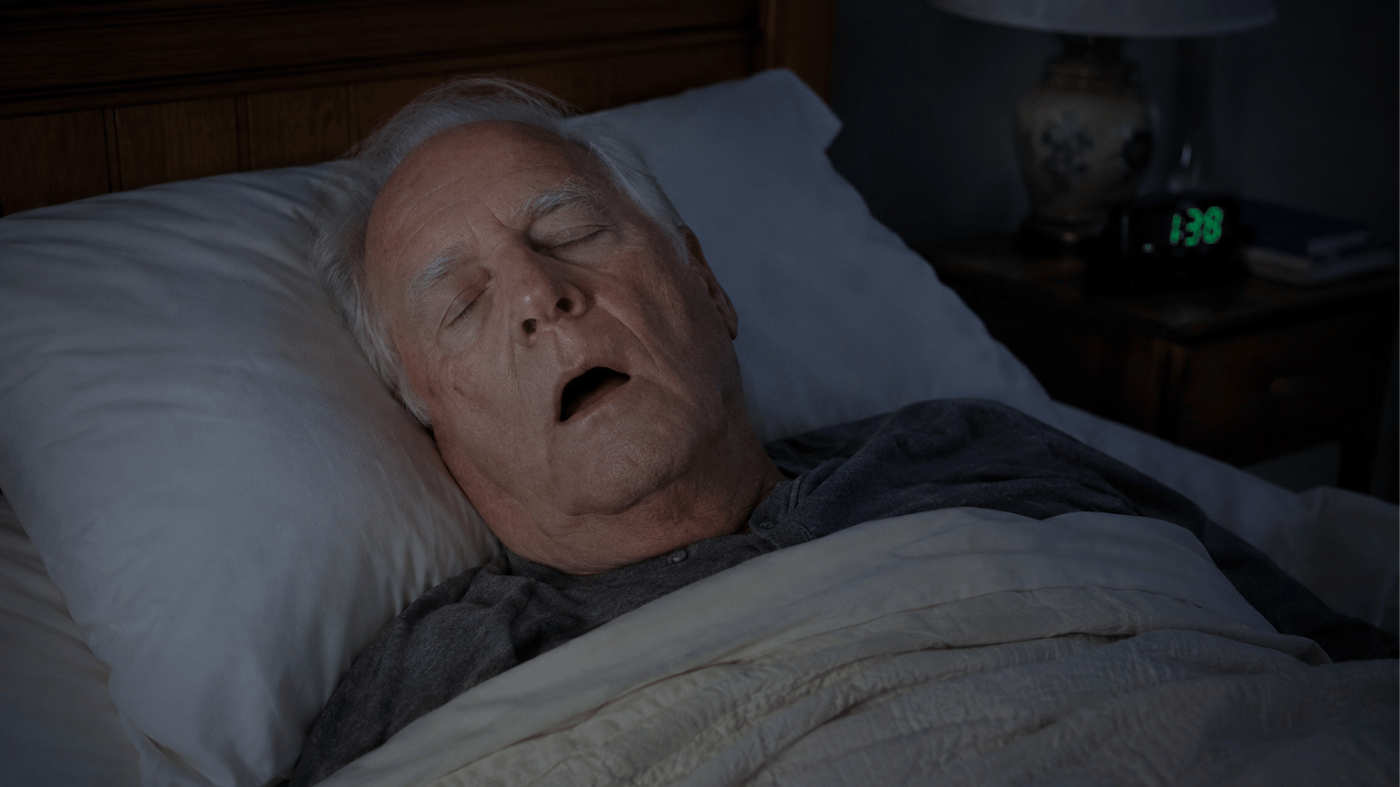
Sleep medicine specialists are paying close attention to one specific nighttime habit: breathing through your mouth while you sleep.
Dr. Cai is careful to note that mouth breathing on its own does not directly cause chronic high blood pressure. But she says persistent mouth breathing is often a sign of an underlying problem, most commonly obstructive sleep apnea, that can affect blood pressure over time.
Other causes of persistent mouth breathing include:
- Chronic allergies or infections
- Crooked cartilage and bones inside the nose
- Swollen nasal tissue (called turbinates)
- Nasal polyps
- Masses (rarely)
Dr. Alex Dimitriu, MD, a board-certified psychiatrist and sleep medicine doctor and founder of Menlo Park Psychiatry & Sleep Medicine, explains why this matters so much for your heart. “The simple truth is that not breathing well causes adrenaline spikes — norepinephrine, to be exact — which raises blood pressure and heart rate,” he says. “It’s the same thing that would happen if you were being choked. Your body reacts intensely.”
In people with sleep apnea, he adds, this happens many times throughout the night. Research published in the journal Cureus links sleep apnea directly to hypertension.
One or Two Nights Is Different From a Chronic Pattern
If you breathe through your mouth occasionally, say, during a bad cold, sleep doctors are not alarmed. “For most healthy people, one night of mouth breathing during a cold is not dangerous,” Dr. Cai says. It may cause a dry mouth or sore throat, and sleep may be more fragmented, but those effects are temporary.
Dr. Dimitriu agrees it is not ideal even then. “It is still not ideal for getting a good night’s sleep, which is exactly what you need when you are sick,” he says. “But there aren’t major risks to one or two nights of mouth breathing.”
The concern is when it becomes a regular pattern.
What To Do If You or Your Partner Has Noticed It
Maybe your bed partner has mentioned it. Maybe you wake up with a dry mouth or a headache. If mouth breathing is a regular occurrence for you, the doctors say the most important step is figuring out why.
“It is important to identify and treat the underlying cause,” Dr. Scharf says. That often means an evaluation for obstructive sleep apnea, an examination of the upper airway, and an allergy assessment.
Ear, nose, and throat doctors can order allergy assessments or sleep studies. Sleep medicine specialists can also perform a sleep study.
Dr. Cai says these signs, taken together, should prompt a conversation with your doctor: mouth breathing plus loud snoring, gasping, witnessed pauses in breathing, morning headaches, or daytime sleepiness. Those combined symptoms raise concern for sleep apnea. If sleep apnea is the cause, a CPAP machine can help, or allergy medications may be needed or both.
What About Mouth Taping?
You may have seen mouth taping mentioned online. The idea is simple: a small piece of tape keeps your mouth closed overnight, encouraging nasal breathing. Some people swear by it.
Dr. Cai says the evidence is limited and mixed. The approach may reduce dry mouth and improve airway mechanics for some people. But it is not right for everyone.
“Some people mouth breathe because their nose is blocked or because the mouth is serving as a backup airway during sleep,” she explains. “If you tape the mouth shut in that situation, you may worsen breathing rather than improve it.”
She recommends consulting a doctor before trying it. And she is clear that mouth taping is unlikely to resolve significant cases of sleep apnea on its own.
The bottom line from these sleep specialists is straightforward. Good sleep protects your heart. How you breathe during that sleep matters. If someone in your life has noticed that you breathe through your mouth at night or if you wake up feeling like you ran a race, it is worth bringing up with your doctor. A simple conversation could make a real difference for your heart health.