

If you have ever wondered whether a cat or a dog makes a better companion as you get older, a team of researchers decided to look into exactly that.
The study focused on 39 homebound older adults who owned either a cat or a dog, but not both. Twelve were cat owners. Twenty-seven owned dogs. Researchers measured three things: depressive symptoms, feelings of loneliness, and how attached each person felt to their pet.
What the Study Found
Here is the part that might surprise you. Cat owners reported significantly lower levels of depressive symptoms than dog owners. That was a meaningful difference, not just a rounding error.
Loneliness, though, was a different story. Cat owners and dog owners reported similar levels of loneliness. Neither group had a clear edge there.
And here is something both groups had in common: an overwhelming sense of attachment to their animals. On a scale of zero to ten, the median score for both cat and dog owners was a perfect ten.
Why Might Cats Have an Edge for Some Seniors?
The researchers did not declare a winner. They were careful to call these findings preliminary. But they noted that caring for a cat tends to be less physically demanding than caring for a dog. Cats do not need training or long outdoor walks. That lower-demand care may make the relationship feel more satisfying and less stressful for some homebound older adults.

That does not mean dogs are the wrong choice. The study found that dog owners also felt deeply attached to their pets. And other research has pointed to dogs reducing loneliness in older adults as well. The relationship between pet ownership and well-being is real, just complicated.
What Researchers Hope to Learn Next
The authors were clear that these findings need to be replicated in larger, longer studies before drawing firm conclusions. They hope future research will help homebound older adults make a more informed choice when deciding between a cat or a dog as a companion.
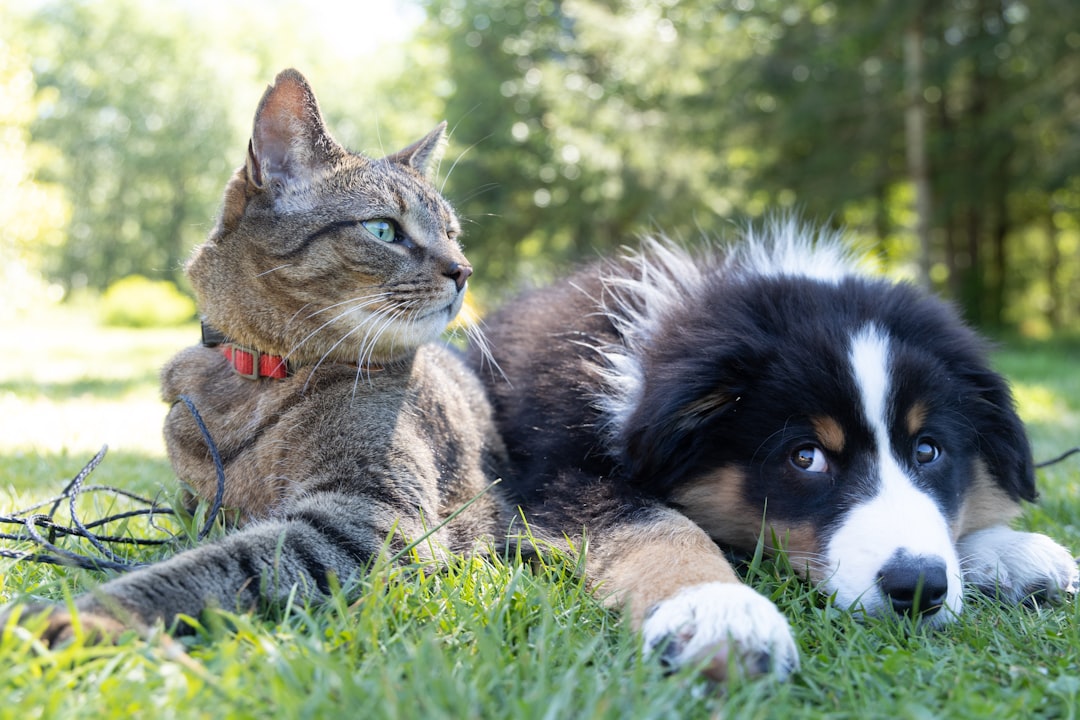
For now, both cats and dogs are scoring a ten out of ten in the hearts of the people who love them. And that, the research suggests, is what matters most.