You know that feeling when your grandchild walks through the door, kicks off their shoes without being asked, and immediately wants to know if you have their favorite snack? That is the feeling worth chasing. It means your home feels like their place too.
And here is the thing: the homes grandchildren love most are almost never the ones with the most stuff. It is the smell of something baking. A familiar blanket on the couch. A grandparent who always has time to sit and listen. Those are the things children remember.
Start with Safety, It Determines Everything Else
Before anything else, think about safety. Parents of young children are always quietly sizing up every space their kids walk into. It is just what parents do.
When your home feels safe and manageable to them, visits last longer and happen more often. When parents spend the whole visit tracking a toddler across the room, they leave tired and they are slower to come back.
Simple steps go a long way. Move breakables so children are not being constantly redirected. Put a step stool in the bathroom so small hands can reach the sink on their own. Add a gate where you need one. Then let parents know what you have done. A quick message saying “I added a gate at the top of the stairs” is something every parent is genuinely glad to hear.
Small Touches That Say “You Belong Here”
A home that grandchildren love does not need a makeover. It needs a few intentional details that tell a child they were expected and thought about.
- Designate a spot at the table so each child has a sense of place
- Keep a low basket with a rotating selection of books and simple toys they can reach on their own
- Have their favorite snacks waiting, it says “I was thinking about you at the grocery store”
- Give them a dedicated shelf in the pantry that is just theirs
- Put something in the oven before they arrive, the smell alone is a welcome
A simple activity calendar gives grandchildren something to look forward to each morning. It structures the visit without over-scheduling it. And letting them choose, pick a game, decide what to bake, plan the day’s outing, gives them a sense that the visit belongs to them too.
You Do Not Need a Playroom
In fact, too many toys can work against you. Research on children’s play consistently shows that kids engage more deeply and creatively with fewer, well-chosen materials than with an overwhelming selection. Ten toys beats thirty, because a smaller selection invites focused play rather than overstimulation.
What matters more than quantity is access. Keep a few things where a grandchild can reach them and put them away on their own. Open-ended materials like blocks, art supplies, dress-ups work better than anything with only one way to play. And some connection to the outdoors helps too, even if that just means a back step where a child can look for bugs or a garden patch they are allowed to dig in.
Novelty does not require expense, just difference. Classics from their parents’ childhood, a DVD player, games they do not have at home, these feel like treasure. A refrigerator box and some markers can keep children entertained for hours.
What They Actually Remember
Ask any grown adult what they remember about their grandparent’s house, and they will not mention the toys. They will mention what they did there.
The cookies they helped make. The walk where they found a perfect stick. The afternoon spent looking through old photographs. The grandparent who got down on the floor with them, who was always up for one more game of Go Fish, who showed them how to plant a seed.
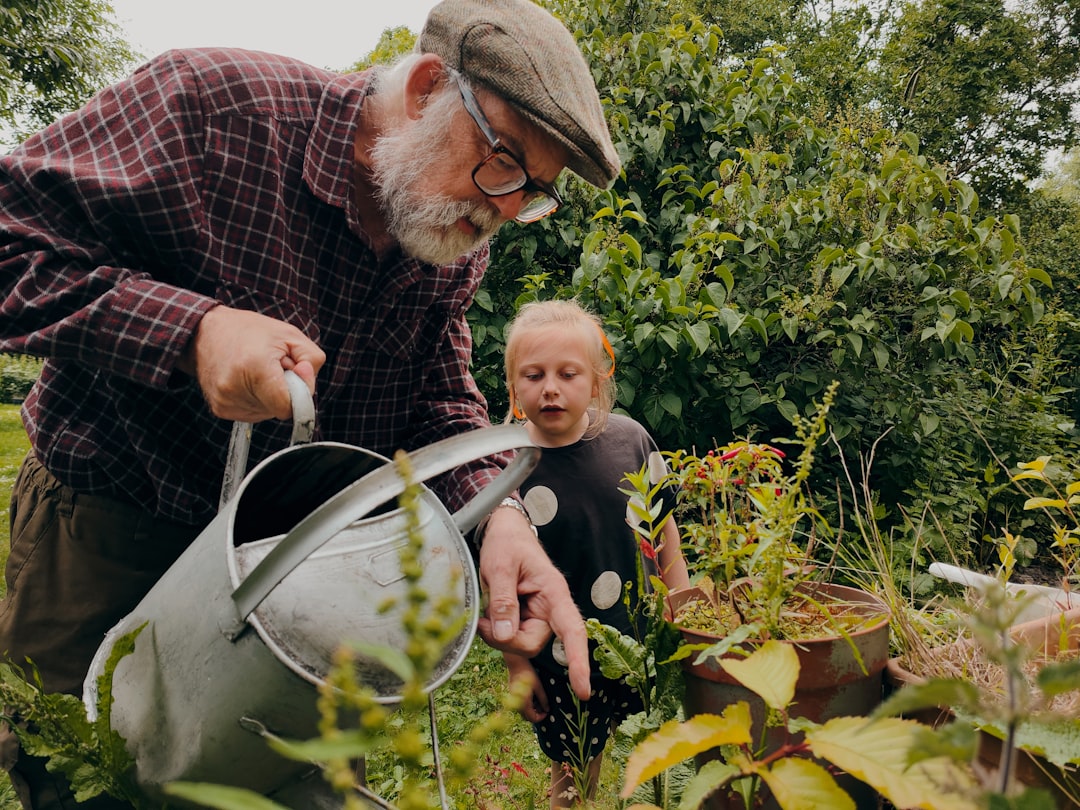
Involving grandchildren in real life creates the deepest memories. Helping in the kitchen. Tending the garden. Visiting the library. When a child knows that visits to your house always include making something, or going somewhere particular, or doing a specific thing together, that anticipation builds into something no toy can create.
Put your phone away while they are there. Full presence is the rarest thing a grandparent can offer and grandchildren notice it. So do their parents.
Follow the Parents’ Lead
A home that grandchildren love also has to work for their parents. That means respecting their choices about food, screen time, nap schedules, and bedtimes. You do not have to agree with every decision they make. But when you demonstrate that you will follow their lead in your own home, you earn a level of trust that translates directly into more visits and more freedom.
Communicate proactively. Let parents know when you have done something to get ready. “I got some books about dragons from the library” is a sentence every parent is happy to receive. It tells them you are thinking about their child without being asked.
A home that grandchildren love and parents trust might not look like much in a photograph. It is hard to capture a feeling in a picture. But that feeling that your family is welcome here is exactly what you are building. And once children feel it, they will keep coming back.