That wobbly feeling in your knee like it might just give out on you is more common than you might think. And according to arthritis specialist Dr. Alyssa Kuhn, it usually comes down to three things working against you at once.
Dr. Kuhn explains that knee stability depends on strength, support, and control all working together. Strength means your muscles are strong enough to hold you up. Support means you feel confident putting weight on the knee. Control means your balance and movement coordination are solid. When any one of those three breaks down, that’s when knees start feeling shaky or actually give way.
The good news? You can work on all three from the comfort of a chair.
The Four Exercises Dr. Kuhn Recommends
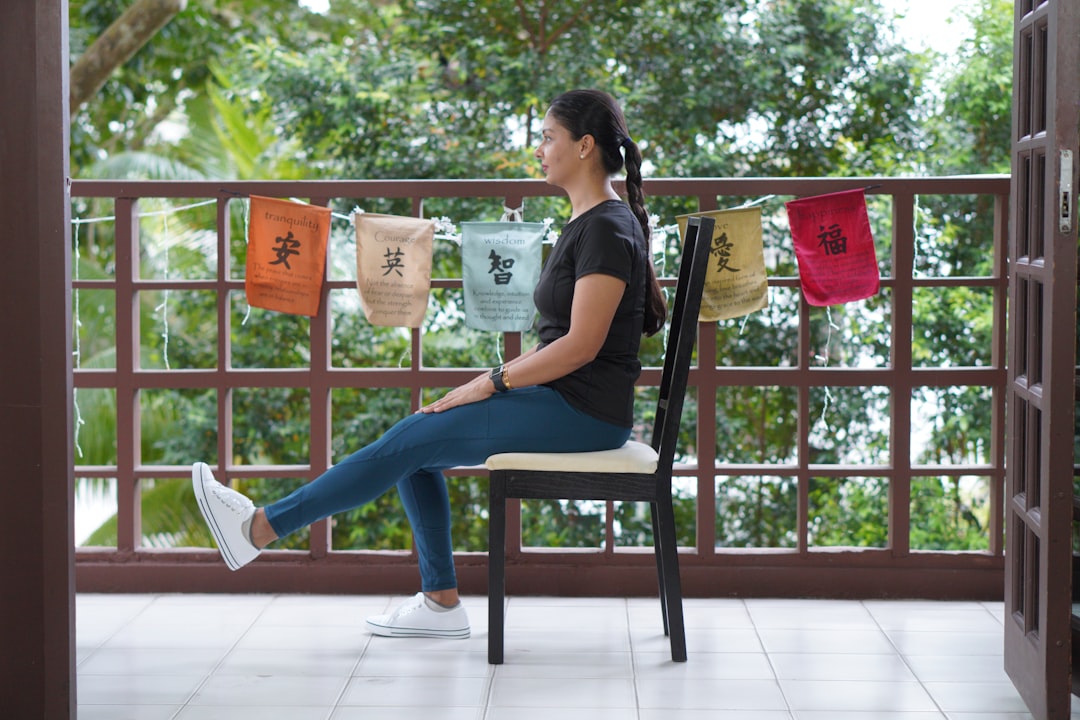
Chair stand: Sit at the edge of your chair. Stand up tall, then sit back down slowly, aiming for a three-second count on the way down. Try to do this without using your hands. If you need your hands at first to keep good form, that’s fine, use as light a touch as possible and work toward going hands-free over time. No swinging or momentum to get yourself up.
Stand-and-march: Stand up from your chair, lift one knee up, then balance on one leg while bringing the other knee up. Then sit back down with control. This one challenges your balance one leg at a time, which is exactly how you walk.
Weight-shift stepping: While standing, put most of your weight on the leg you’re training. Then lightly step the other foot forward, out to the side, and back, returning to center after each step. Once that feels comfortable, you can hold a small weight and pass it around your body in a circle. Dr. Kuhn suggests keeping the weight very manageable, light enough that the balance is the hard part, not the weight itself.
Balance-beam stance with arm swings: Stand with one foot directly in front of the other, like you’re on a balance beam. Shift most of your weight onto the back foot, then add slow, controlled arm swings while keeping your balance. As with the stepping exercise, you can hold light weights in your hands once the basic movement feels steady.
Start Simple, Then Put It All Together
Dr. Kuhn’s approach is to build strength, support, and control separately at first. Once each individual movement feels comfortable and controlled, you can progress to the combined exercises.
The idea is simple: don’t rush the process. Get each piece solid on its own, and the stability you’re looking for will follow naturally.
If your knees have been giving you trouble, these four exercises are a practical place to start, no gym required, no special equipment, and no getting down on the floor.