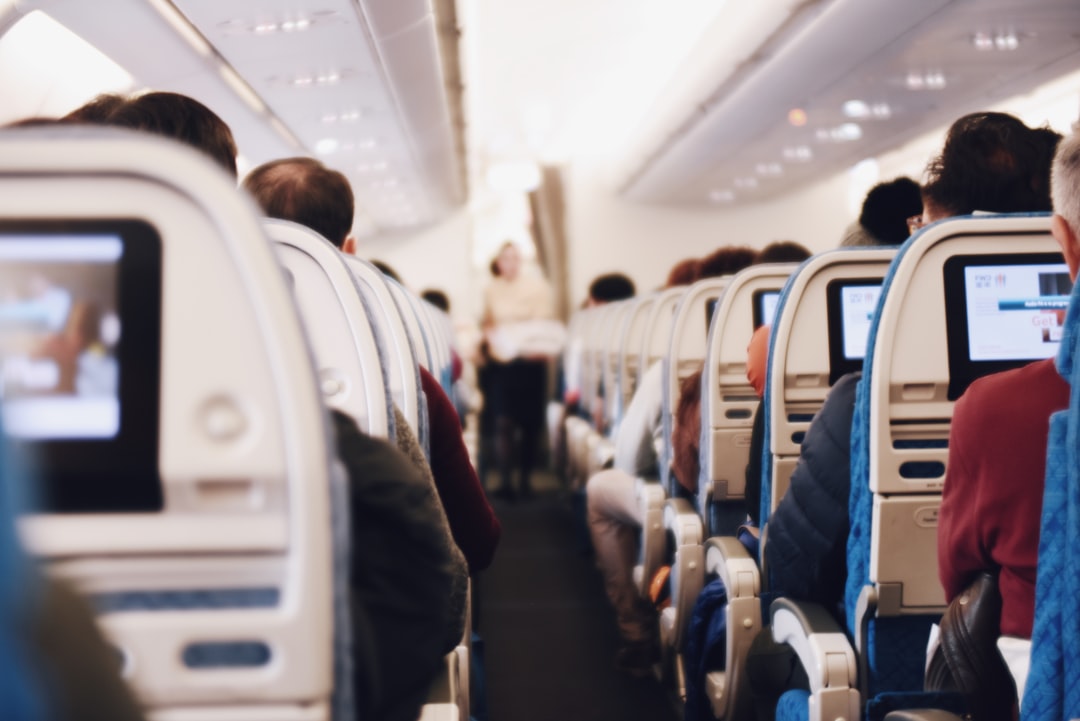
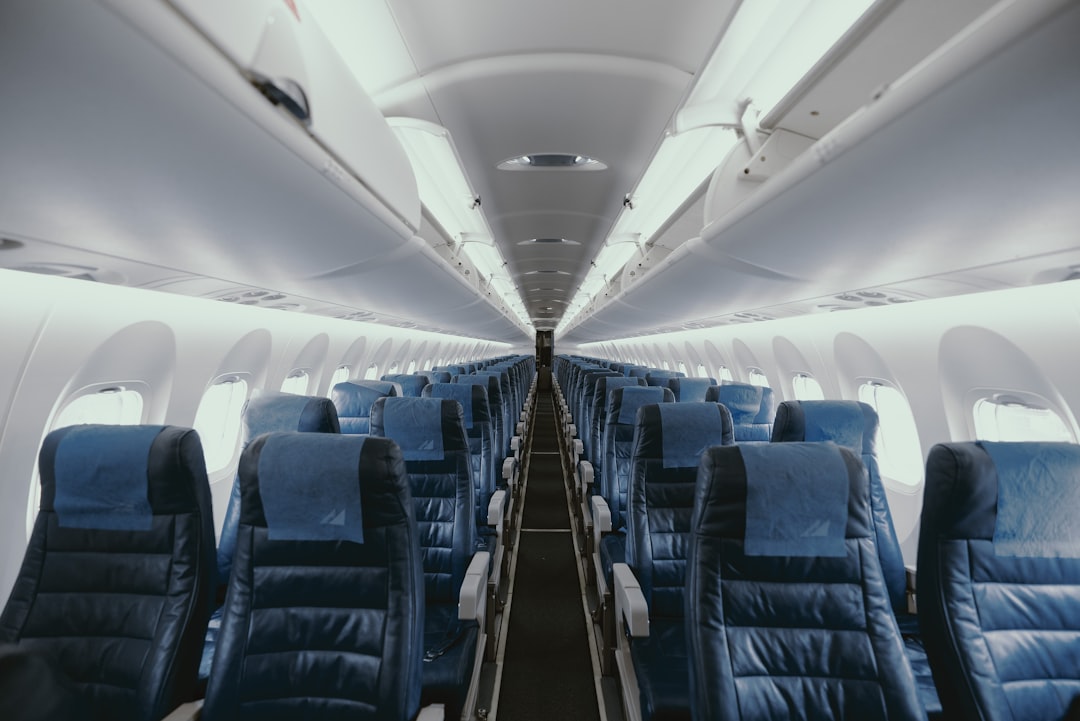
You’ve found your seat, you’ve stowed your bag, and then you spot it, a whole empty row a few rows back. More legroom. A window and an aisle. Nobody sitting there. Why not move?
Well, it turns out there are some good reasons to check with a flight attendant first. And most of them have nothing to do with being a rule-follower.
It’s Not Always as Simple as It Looks
Bobby Laurie, a former flight attendant and travel expert at The Jet Set, says moving within the same cabin is usually fine if the seat is truly open and you ask first. Swapping seats with someone in your travel group is also generally okay, as long as both people agree.
But many seats that look empty actually come with an extra fee attached. Exit rows, seats with more legroom, and so-called “preferred” seats often cost more. “If you didn’t pay for it, don’t assume you can take it,” Laurie says. And moving up to a higher cabin, like business or first class, is off the table unless a flight attendant specifically says otherwise.
Timing matters too. Laurie recommends waiting until boarding is complete and the doors are closed before you make your move. Sliding into a seat during boarding can mean taking a spot that’s already claimed.
Flight Attendants Know Exactly Where You’re Sitting
Some passengers assume that quietly slipping into an open seat goes unnoticed. It doesn’t. Laurie notes that many flight attendants now carry devices that show exactly who is assigned to each seat. “It’s not as sneaky as people think,” he says.
Giancarlo Galarreta, a Delta flight attendant based in Atlanta, puts it plainly: safety is the real issue. “It’s important for us to be aware if a seat change is going to happen,” he says. “Some seats have responsibilities attached to them or may not be available for safety purposes.”
Flight attendants rely on accurate seating charts when something goes wrong mid-flight; turbulence, a medical emergency, or a security concern. If a passenger becomes ill, the crew needs to know exactly where that person is sitting when they communicate with pilots or medical professionals on the ground. In the most serious situations, seating charts are also used by authorities to help identify passengers.
Exit Rows Are a Special Case
Exit row seats come with real responsibilities. Flight attendants assess whether passengers sitting there are physically able and willing to help in an emergency. That includes opening the emergency door, assisting with an evacuation, and following crew instructions under pressure. Airlines require exit-row passengers to meet certain criteria and verbally confirm they can help.
If you quietly move into an exit row without telling anyone, a flight attendant has to track you down, check your eligibility, and go through that briefing on the spot, right in the middle of all their other pre-departure tasks.
Weight and Balance Are Real Concerns
There are other passengers with fixed seat assignments for good reasons too. Travelers who need special assistance, unaccompanied minors, and passengers with lap children are placed in specific seats deliberately. There are even limits on how many lap children can sit in a single row because of the number of oxygen masks available. Pets and service animals face seating restrictions as well.
On smaller planes, passenger placement can actually affect the aircraft’s weight and balance, which is critical for safe flight. Laurie says flight attendants on smaller planes often walk the aisle before takeoff with a notepad, recording exactly where everyone is sitting. That information goes straight to the cockpit. Sometimes, crew members will ask passengers to move to a different seat before takeoff just to keep the plane properly balanced. Once at cruising altitude, it’s usually fine to return to your original seat, but Laurie recommends checking with a flight attendant first.
Your Seat Is Tied to Your Personal Experience, Too
Beyond safety, your assigned seat is increasingly connected to your own comfort and entertainment. On many Delta flights, for instance, passengers can log into their SkyMiles account through the in-flight entertainment system to access connection information and even continue watching movies or shows picked up on a previous connecting flight.
The bottom line is simple. If you want to move, just ask. Flight attendants are glad to help find you a better spot when it’s possible. As Laurie puts it: “It takes two seconds and saves you the awkward walk of shame down the aisle.”
A quick, friendly question takes almost no time at all. And it keeps your trip and everyone else’s running smoothly from the moment you board.