Every home seems to have a few objects that never get considered during a clean-out: the dependable mixing bowl, the scissors that cut smoothly, the sweater perfect for fall evenings, the slightly battered tray that has carried hundreds of cups of coffee.
These items may not be beautiful, expensive, or particularly interesting. But somewhere along the way, they’ve become fixtures in your home and your life.
Usefulness Builds Its Own Kind of Value
We largely think of treasured belongings as things with sentimental or financial value. But usefulness creates another kind of attachment.
Consider the kitchen utensil that fits your hand perfectly, the umbrella that has kept you dry countless storms, or the small table that has somehow worked in four different rooms over the years.
You probably wouldn’t describe these things as prized possessions. Yet if one disappeared tomorrow, you’d notice immediately.
Often, what makes an object valuable is simply that it does its job exceptionally well—nothing more, nothing less.
Some Things Improve Through Familiarity
A brand-new replacement isn’t always an improvement.
The familiar garden tool may have a handle worn smooth from years of use, its grip ideal for weekly tilling. A favorite cookbook might automatically fall open to the recipe you make most frequently, your handwritten notes always there as reminders. A well-used blanket might be a bit worse for wear but still the perfect length and thickness to use while reading or watching TV.
These objects have earned their place not because of their novelty or flashiness but because of their dependability.
There’s also satisfaction in keeping something working rather than automatically replacing it. A repaired lamp, sharpened pair of scissors, or refinished table can continue being useful for years—and the toil you put into the object may make its use all the more satisfying.
Notice What You Reach for Again and Again
If you’re deciding what deserves space in your home, frequency of use can be surprisingly revealing.
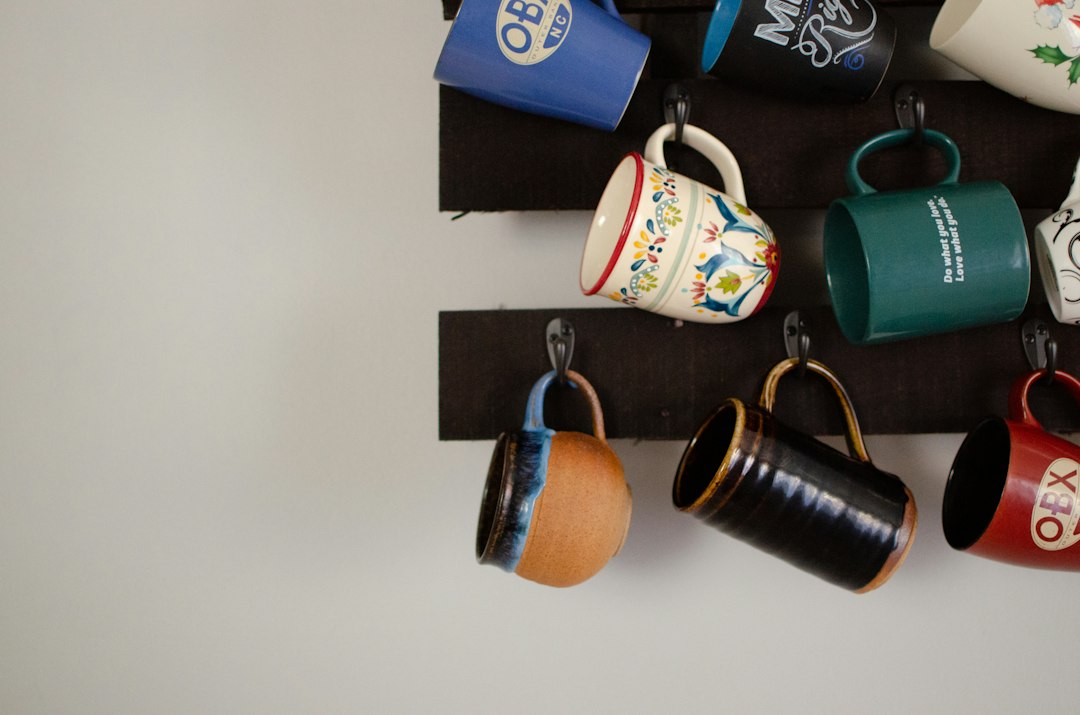
Which frying pan do you typically pull from the cabinet? Which mug somehow comes out of the cupboard every morning? Which chair does everyone gravitate toward?
The answers may better inform what you keep and what you don’t than any decluttering expert’s advice.
Why This Matters
A comfortable home isn’t necessarily filled with the newest or most impressive things. Instead, it’s often built around objects that have proven themselves repeatedly—objects that are reliable, familiar, and exactly right for the job.
Recognizing this can also make future purchases easier. Instead of asking, “Is this something I want?” try asking, “Is this something I can imagine using for years?”