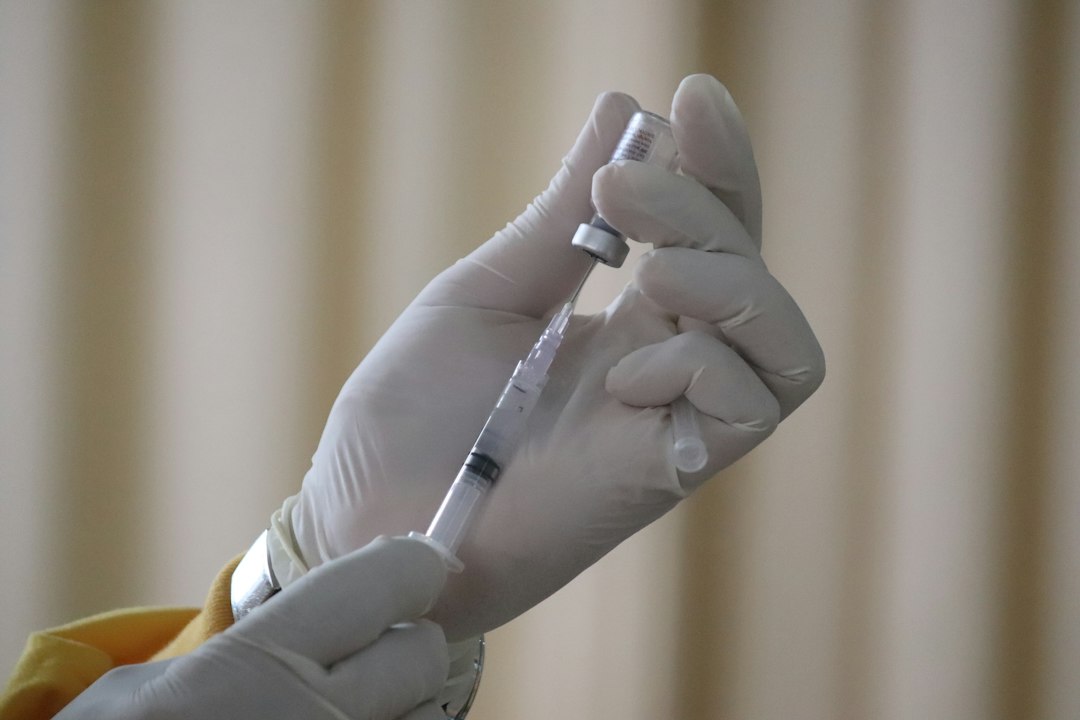
Most of us grew up thinking of vaccines as one thing: a way to avoid getting sick. But researchers who study aging are starting to see a much bigger picture.
A new commentary published in the journal Age and Ageing pulls together recent vaccine research focused on older adults. The findings cover everything from flu shots to COVID-19 boosters and even some surprising possible connections to brain health.
Getting the Shot in the First Place
Recommended vaccines for older adults include influenza, COVID-19, respiratory syncytial virus (RSV), and pneumococcal vaccines. But the research notes that how many people actually get these shots varies widely from country to country.
Vaccine hesitancy is part of the challenge. So is access. According to the commentary, the vaccination programs that work best share a few things in common: healthcare providers who are educated about vaccines, centralized reminder systems that reach patients directly, and services that are easy to get to.
What COVID-19 Vaccines Did for Care Home Residents
Studies looking at care home residents found that COVID-19 vaccines provided substantial protection, especially against death. That is meaningful, because this group faces some of the highest risks.
The research also notes that vaccine effectiveness does decline over time. It is also influenced by something called immunosenescence, the natural weakening of the immune system that comes with age. That is part of why booster programs matter for older adults.
Why Your Immune Response May Be Weaker and What Helps
Immunological studies included in the commentary found that older adults who had never been exposed to a particular infection tended to have weaker responses to vaccines against it. This supports the case for booster shots and for strategies designed to strengthen immunity in older people.
Researchers are also looking at whether probiotics might help vaccines work better in older adults, a concept called improving vaccine immunogenicity. According to the study, the early evidence seems interesting, but more high-quality trials are still needed before any firm conclusions can be drawn.
A Possible Connection to Dementia
Here is one of the more surprising areas the commentary touches on. Observational data suggest that certain vaccines may be associated with a reduced risk of dementia, particularly vascular dementia. The researchers are careful to note that this is observational data, which means a causal relationship has not been proven. But it is an area of active interest.
What Researchers Want to See Next
The study points to a few important gaps. Frail older adults and care home residents are often left out of vaccine clinical trials. Including them more consistently would give us a much stronger evidence base for this population.
Future research priorities include developing new vaccines, improving readiness for future pandemics, and finding the best vaccination strategies to support healthy aging and help people stay functional as they get older.
The bottom line from this research is straightforward. Staying current on recommended vaccines is one of the simpler things you can do to protect your health as you age. Talk to your doctor about which vaccines are right for you and whether you are due for any boosters.