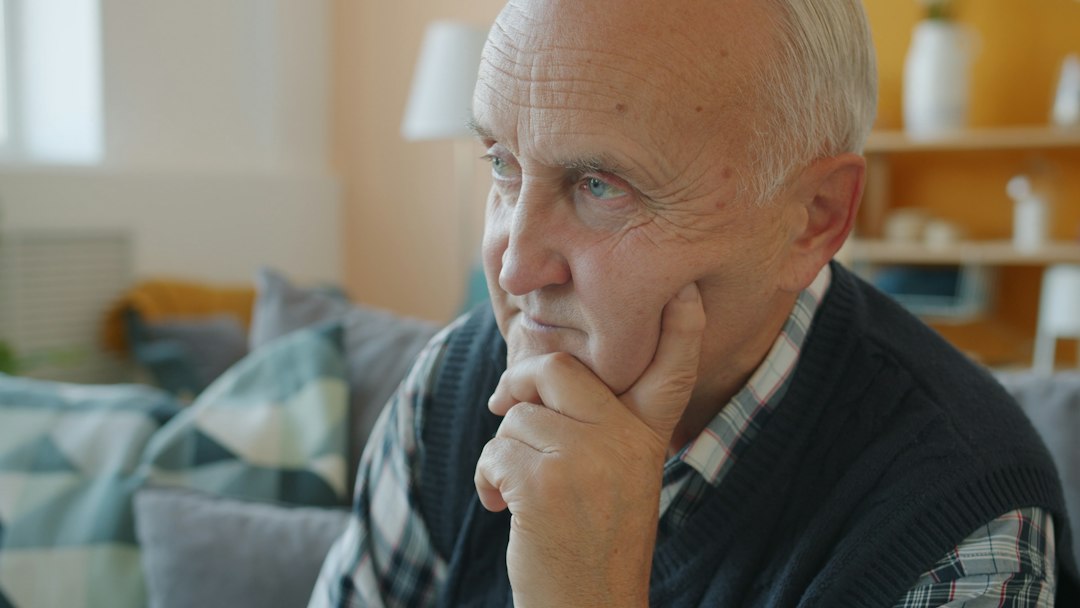

In many situations, the person who has the most impact isn’t the one speaking the loudest—it’s the one who stays quietly steady. Calmness doesn’t draw attention to itself, but it changes how a room feels. It creates space for others to think, respond, and settle into what’s happening.
Calmness Slows the Pace for Everyone
When one person remains unhurried, it subtly resets the rhythm of the interaction. For example, in a discussion where people are speaking quickly or interrupting each other, a calm response—spoken at a measured pace—often brings things back into balance. Others begin to subconsciously match that tone without realizing it.
It Makes Decisions Clearer
In moments where multiple opinions are coming in at once, calmness helps separate what matters from what doesn’t. Instead of reacting to every detail, a steady voice can say, “Let’s focus on this part first.” That kind of clarity often comes from not feeling rushed to respond.
It Reduces Tension Without Addressing It Directly
Not all tension needs to be named to be resolved. A calm presence—someone who listens fully, doesn’t escalate, and responds evenly—can shift the tone of a conversation. For example, if a discussion becomes slightly heated, a composed response can bring it back to neutral without needing to correct anyone.
It Creates Space for Others to Speak
When one person isn’t competing for attention, others find it easier to contribute. Pauses become more comfortable, and quieter voices have room to enter the discussion. Calmness often supports participation without needing to manage it directly.
It Signals Confidence Without Force
Remaining calm, especially when things are uncertain, suggests confidence without needing to assert it. It shows that not everything needs an immediate reaction. That steadiness often becomes something others rely on.
Why This Matters
Calmness influences a group without controlling it. It creates clarity, reduces pressure, and allows things to unfold more smoothly.