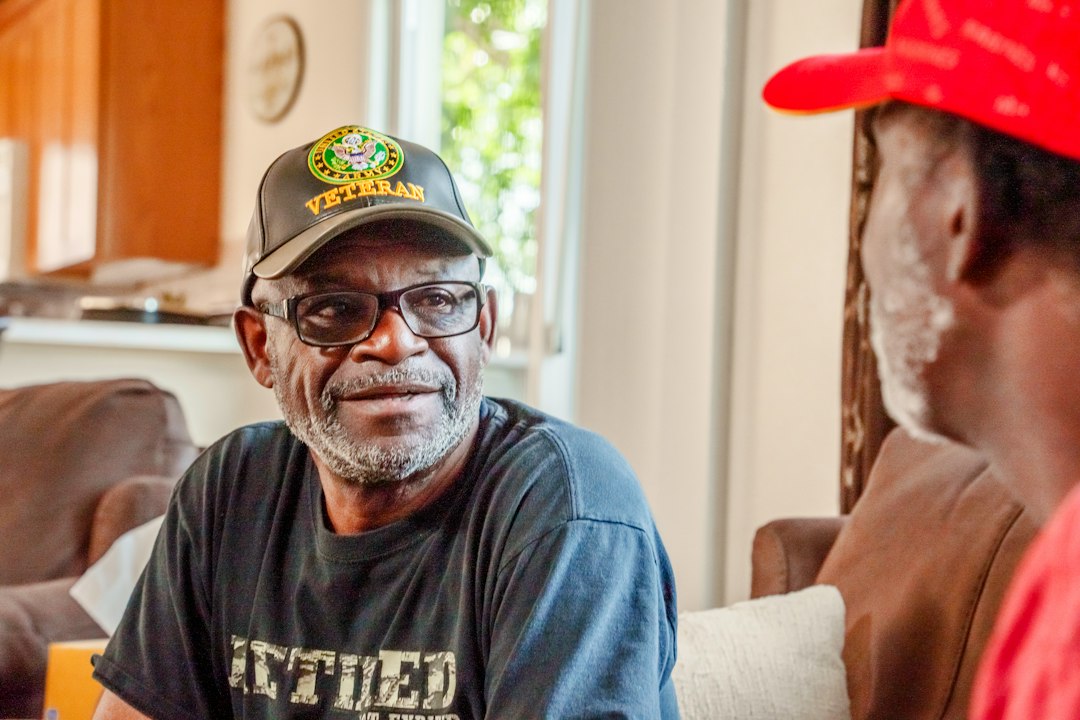

Leadership isn’t always about directing or deciding. In many situations, it shows up as careful listening — the kind that helps a group move forward because people feel understood and clear about what comes next.
Listening for What’s Actually Being Said
In a group discussion or planning meeting, people don’t always express their point directly. One person may circle around an idea, another may hesitate to speak fully, and someone else may jump in quickly before having all the information. Listening closely — not just to the words, but to tone and timing — helps you catch what’s really being communicated. For example, if two people describe the same concern in different ways, noticing the overlap can help clarify the real issue.
Reflecting Back to Create Clarity
A simple way listening becomes leadership is through summarizing. Saying something like, “It sounds like we’re deciding between starting earlier or reducing the agenda,” helps the group see where things stand. This kind of reflection doesn’t take control — it organizes clearly what’s already been said so others can respond more easily.
Asking Questions That Move Things Forward
Not all questions are equal. The most helpful ones narrow things down:
- “What needs to happen first?”
- “Who’s taking the lead on this part?”
- “Are we making a decision today or gathering more information?”
These questions come from listening carefully and noticing where the conversation is stuck.
Making Space for Quieter Voices
In many groups, a few people speak quickly while others wait. Listening leadership includes noticing who hasn’t spoken and creating space for their input without pressure. A simple, “I’m curious what you think about this,” can bring in perspectives that might otherwise be missed.
Knowing When Not to Speak
Sometimes the most effective contribution is to stay quiet a moment longer. Letting someone finish their thought, allowing a pause, or giving the group time to think can lead to more considered responses. This kind of restraint often improves the quality of the discussion.
Why This Matters
When listening guides the conversation, people feel heard and decisions become clearer. The group moves forward without needing one person to dominate — and that’s often what makes the process work.