Every family seems to have a designated gathering house. It’s the place people naturally head to after a hockey game, where someone drops in “just for a few minutes” and stays for an hour, or where holiday dinners continue long after the meal is over. It isn’t necessarily the biggest or the fanciest house. It’s simply the place where people feel comfortable.
That kind of home is rarely created by accident.
Comfort Takes Priority
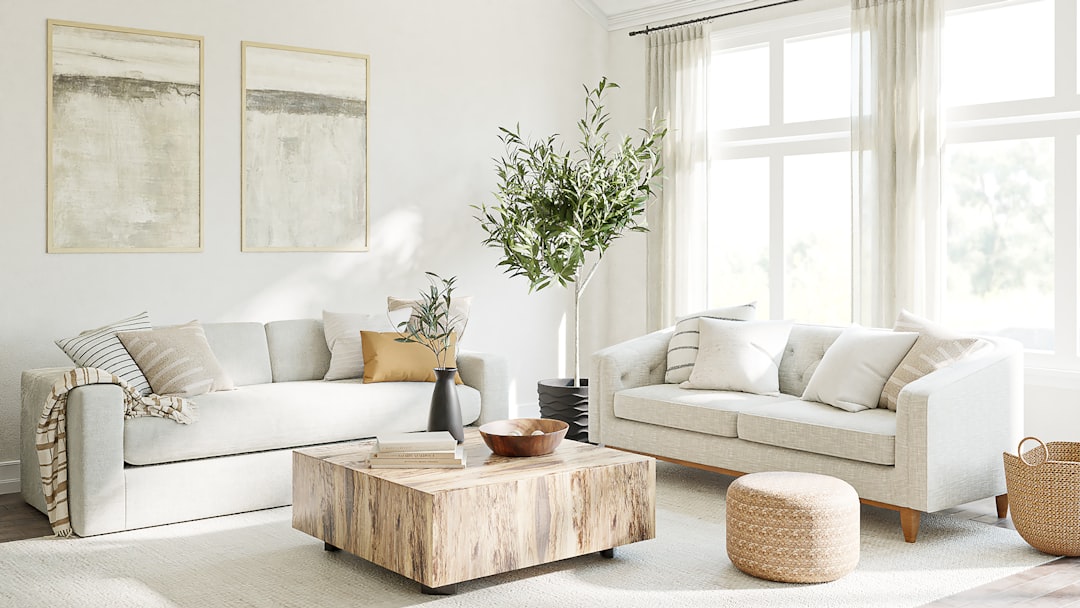
The homes people remember most are seldom the ones staged like magazine photos. Instead, they’re the ones where everyone can relax while still feeling connected.
Perhaps there’s always room to pull up another chair. The table is large enough to accommodate multiple conversations. Blankets, extra pillows, tissues, and something small to drink are easily accessible.
In these homes, it is the atmosphere, not the decor, that says, “You’re welcome here.” People remember that feeling long after they’ve forgotten what the furniture looked like.
The Kitchen Serves as a Communal Space
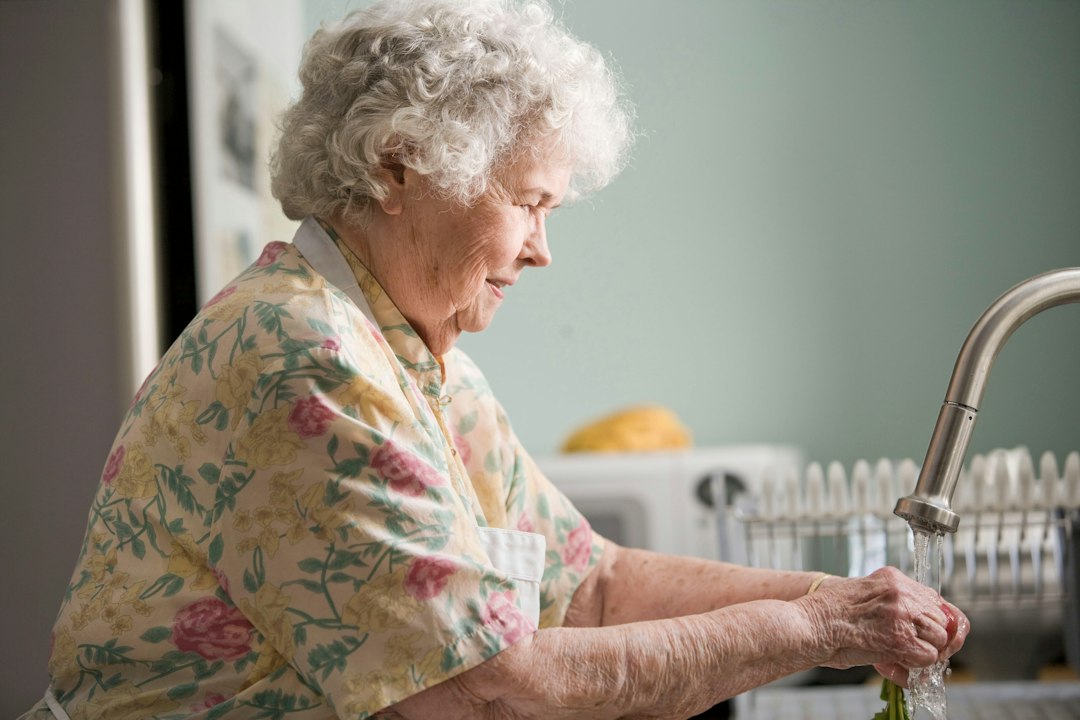
It’s remarkable how often conversations migrate to the kitchen. Someone is making coffee., another person is slicing fruit, and a grandchild is looking for a snack while two adults wander in to finish a conversation that started in the living room. Nobody planned for everyone to end up there—it just happens.
When left open and with space to spare, a kitchen can become less about cooking and more about connection.
There’s Usually Something Familiar
Many welcoming homes develop little traditions that people look forward to:
- fresh muffins on Saturday mornings
- popcorn during movie nights
- a deck of cards on the kitchen table
- hot chocolate after winter walks
- homemade soup simmering on the stove
- a basket of books or puzzles for grandchildren
These small touches create a sense of familiarity and ritual that people associate with the home itself.
Everyone Feels Like They Belong
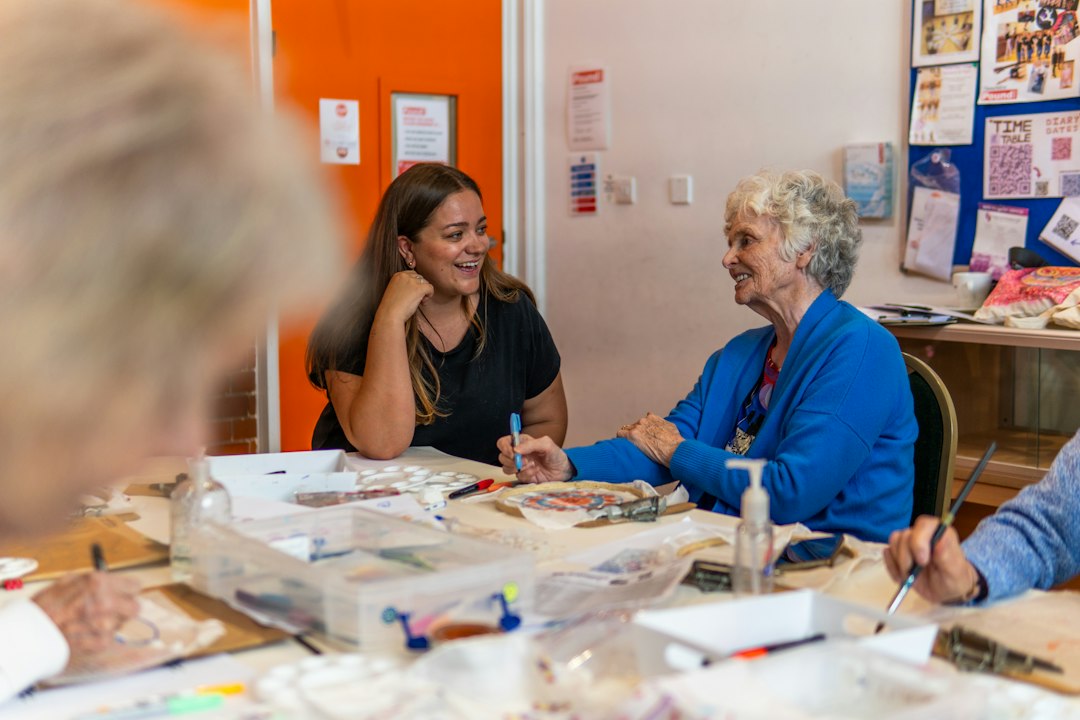
One of the nicest qualities of these homes is that guests don’t feel like guests for very long. As a result, people feel comfortable enough to unwind and be themselves. A grandchild knows where the crayons are kept and can grab them without needing help. Friends refill their own coffee cups. Family members wander into the backyard to feel the fading light of a summer evening.
As they settle in, people become participants rather than visitors—almost as at ease as if they’re in their own home. That sense of ease is one of the greatest compliments hosts can receive.
The Best Gatherings Aren’t Always Planned
Some of the happiest memories come from visits that weren’t on the calendar. A neighbor stops by after a walk. A sibling drops in after running errands. Grandchildren arrive unexpectedly because they had a game nearby. People don’t need an excuse to pop by—the house, and its owners, make them feel welcome enough to come over simply to spend time together.
The House Reflects the People Who Live There
Homes that naturally draw people in usually have one thing in common: They reflect genuine hospitality rather than performance. Family photographs line the shelves, well-used cookbooks sit in the kitchen, comfortable chairs invite lingering conversations, and spaces are designed for enjoyment instead of aesthetics.
In short, the house feels lived in—and that makes others feel comfortable living in it too.
Why This Matters
Being the house where everyone ends up isn’t about having the perfect home. It’s about creating an atmosphere where people feel relaxed, accepted, and happy to spend time together. When that exists, people will gladly stop by, even spontaneously—and those random visits often become lasting memories.