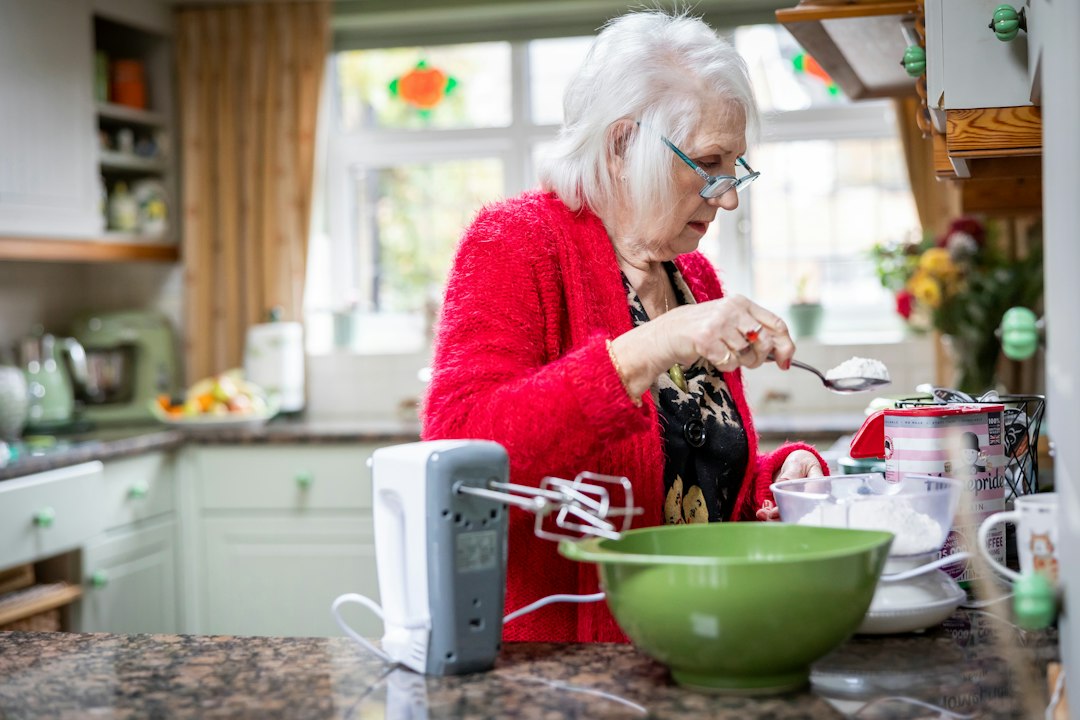
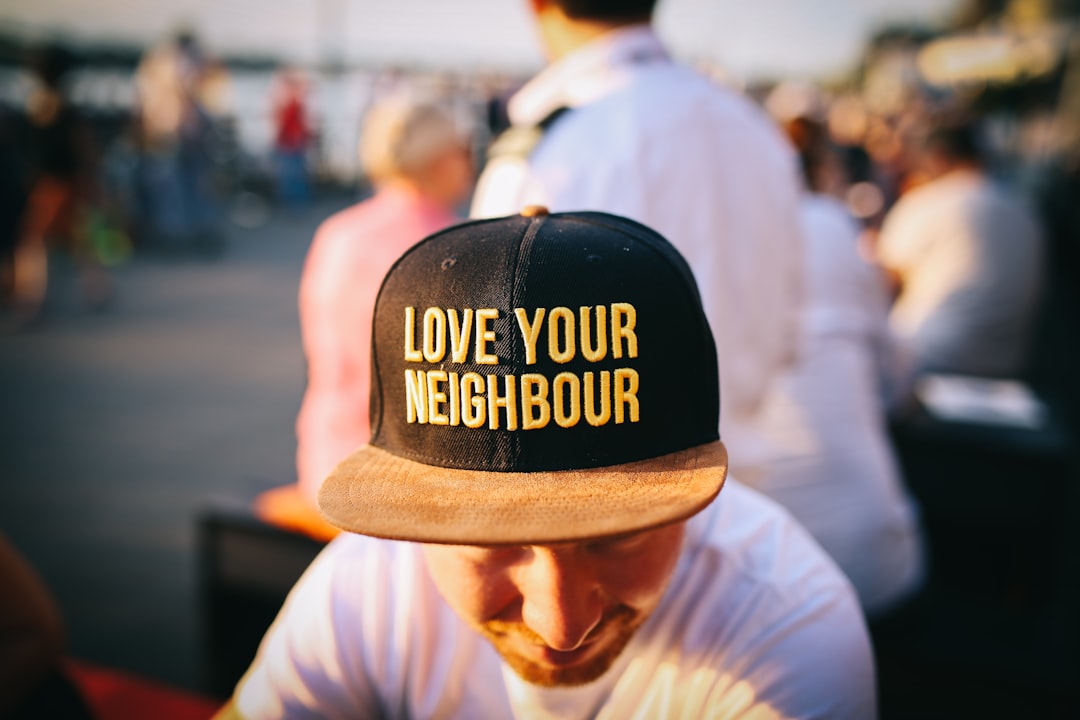
Remember when borrowing a cup of sugar from the neighbor next door was just something you did? You knocked, they answered, and you stood on the porch for a few minutes. Maybe longer. That kind of easy, neighborly back-and-forth feels like a long time ago for most of us.
It is not just nostalgia talking. Something real has changed and a psychologist has some thoughts on why.
How Did We Drift Apart?
Dr. Gayle MacBride, PhD, LP, a psychologist with Veritas Psychology, told Parade there is no single reason we stopped relying on our neighbors. But a few big shifts have quietly added up over the decades.
The first is convenience. After World War II, suburban stores grew bigger and stayed open longer. They carried more of everything. Over the last 50 years, Dr. MacBride explains, our lives have become increasingly self-contained. If you run out of something, you do not need to knock on anyone’s door; you just run to the store. Or order it online and have it at your doorstep by afternoon.
“Modern living has helped us become really good at solving small problems without involving anyone else,” she says. “There’s an app for that.”
The design of our homes has played a role, too. The attached garage became common. We leave the house, step directly into the car, and drive away, never lingering in a shared space where we might bump into someone. Front porches gave way to backyard patios with privacy fences. Coffee shops and other gathering spots (what researchers call “third spaces”) became less central to daily life.
“We now leave our homes and enter that attached garage, get into our car, and drive our long commute to our office,” Dr. MacBride notes. “This narrows the amount of time we spend in common, or shared spaces.”
None of these changes are bad in themselves, she is quick to say. Convenient delivery, longer store hours, private yards… these are genuine improvements. But there is a hidden cost.
“In removing the friction from these situations, we have also decreased the social bond that came with helping each other out with those million little things that make life together as a community feel so supportive,” she explains.
The Loneliness No One Talks About
The result of all this is that we are, as a society, lonelier than we used to be. About 1 in 2 Americans reported feeling lonely and that was before the COVID-19 pandemic, according to research cited in a 2023 U.S. Surgeon General’s advisory on the effects of social connection.
Dr. MacBride says a big part of the problem is what she calls hyper-independence, the belief that you should be able to handle everything yourself. Many of her clients tell her they do not want to burden or inconvenience others.
“Today’s culture can imply that if you can’t handle it yourself, you are inadequate,” she explains. “There’s something about the fear of being rejected socially, owing someone something, or looking needy that feels really scary to people.”
But here is the part worth sitting with. When you ask someone for help, you are not just doing something for yourself. You are doing something for them, too.
“The irony is that we’re focused on the cost to us: vulnerability, uncertainty and maybe a little embarrassment and we often forget that being asked to help can feel good to the other person,” Dr. MacBride says. “As humans, the other side of the social bond is feeling useful, trusted and connected.”
She also points out that local relationships matter in a very practical way. When she asks clients to name five people they can count on, some struggle. Many say their friends and family live out of state.
“If you need support, they might be hours or days away from being able to help you,” she says. “You don’t feel as woven into the community.”
You do not need your neighbors to be your closest friends. But knowing a familiar face on your street and having someone who knows yours makes the world feel a little less anonymous.
5 Low-Pressure Ways to Reconnect With Your Neighbors
The good news is that rebuilding those neighborhood ties does not take much. Dr. MacBride offered five simple suggestions for getting started.
- Ask for something small. “Seriously, go ask for that proverbial cup of sugar,” she recommends. She sometimes gives this as an actual homework assignment to her clients. Most people, she says, are surprised by how often a neighbor says yes when they expected to hear no. You might even end up sharing a slice of whatever you bake.
- Learn names and use them. Dr. MacBride’s cousin moved to a new neighborhood and kept a simple diagram with house locations and names written on it. It worked. “We love to hear someone use our name,” she explains. “It means we’re important.”
- Share what you have too much of. Tomatoes taking over the garden again? Peppers coming in faster than you can use them? Bring some next door. Dr. MacBride calls it a small interaction with no obligation attached, instant goodwill, and you get to see the joy it brings.
- Spend time where people can see you. Sit on the front porch for a bit. Wave to people walking by. Linger after gardening instead of rushing inside. “Creating opportunities for relationships to happen is important,” she says. “If we’re never within eyesight, how can we actually get to know each other?”
- Start a small, recurring ritual. In Dr. MacBride’s neighborhood, it is gathering around a fire pit when the weather cooperates. A standing invitation, “wander down when you can, stay as long as you’d like”, gives neighbors an easy, low-pressure way to show up.
Dr. MacBride also notes that technology can help, if we use it right. She has met neighbors through online neighborhood groups that she never would have crossed paths with otherwise. The question, she says, is whether we are using technology to bring people closer — or to replace human interaction altogether.
“A sense of belonging in your community is grounding,” she says, “and helps with the human need for social connection, even if those connections aren’t deep.”
Maybe the cup of sugar was never really about the sugar.