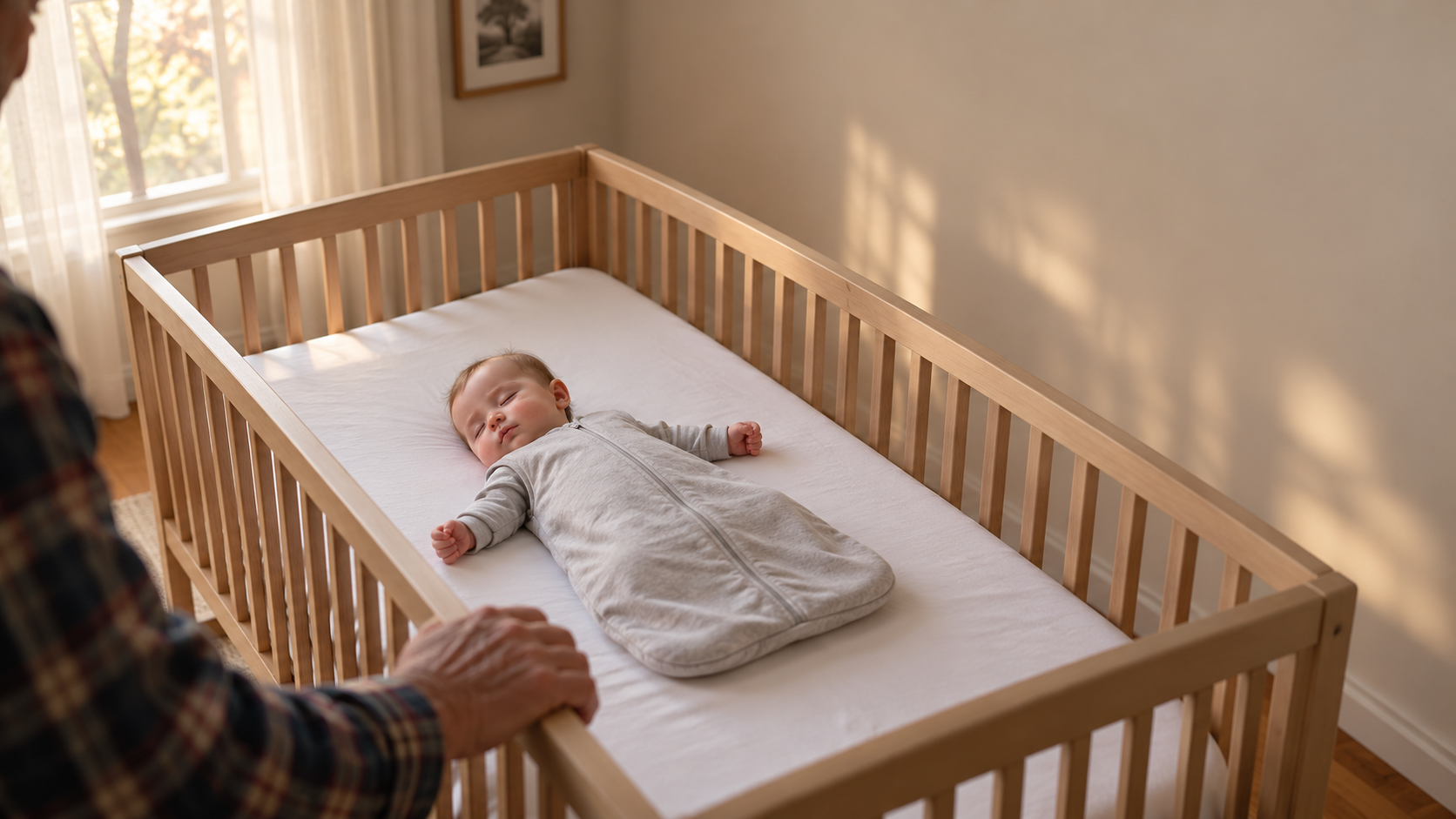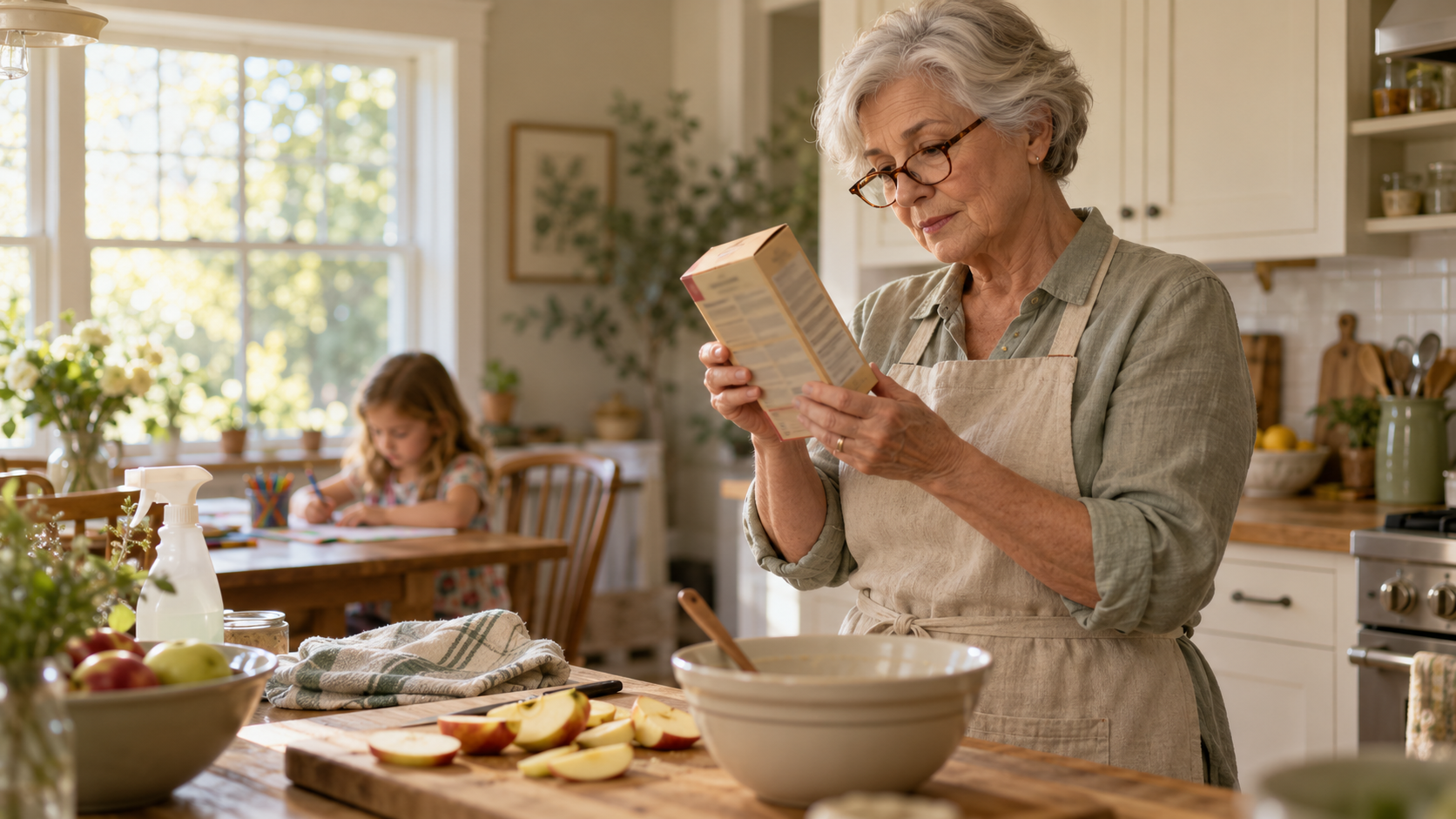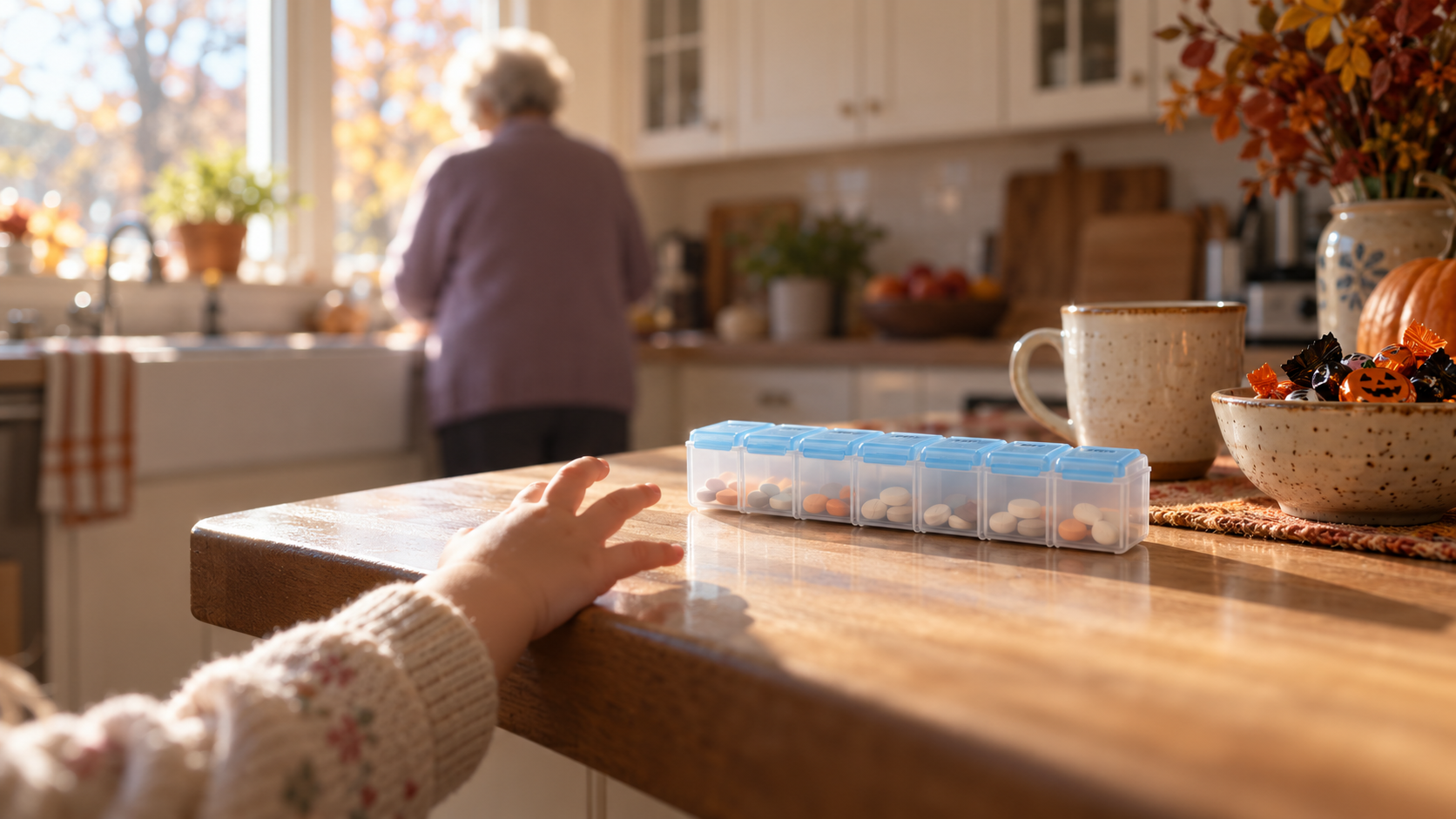
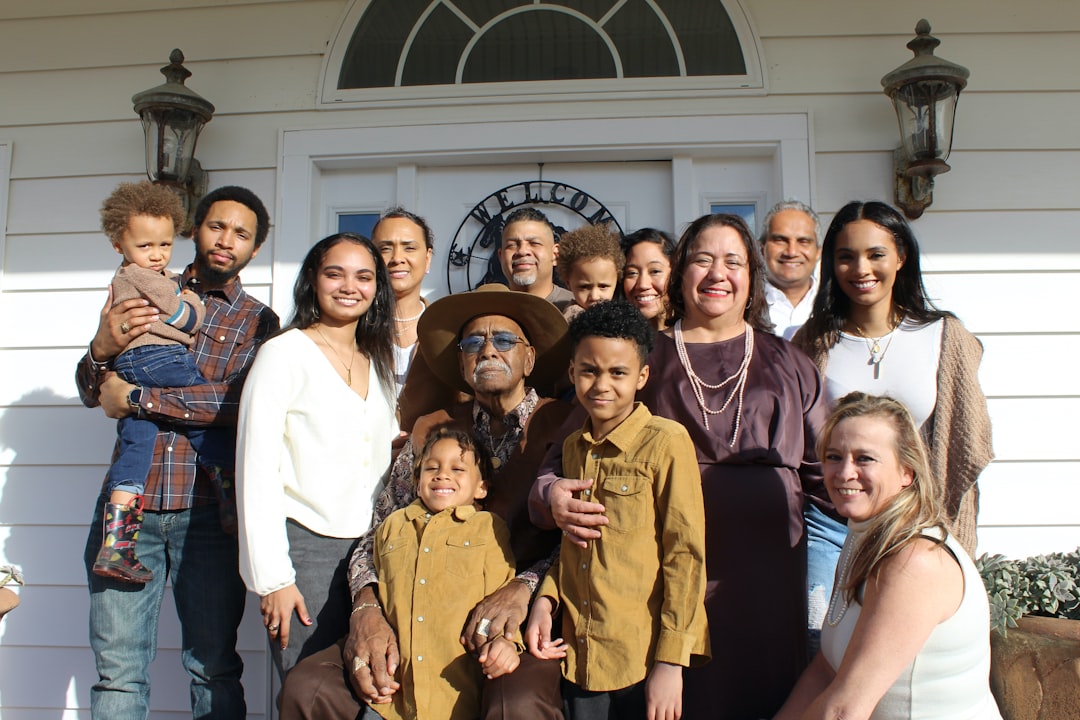
Something is shifting in how American families live and it may be one of the best things to happen to grandparents in a long time.
A May 2025 report from the National Association of Realtors found that 17 percent of homes purchased the previous year were bought for multigenerational households. The trade group called it an all-time high.
Money is part of the reason. In 2024, 36 percent of buyers who chose a multigenerational home said they did it to save money. Another 21 percent said adult children were moving back home, and 20 percent had adult relatives who simply never left.
But the financial piece is only the beginning. Licensed clinical psychologist Dr. Becky Fenton, PsyD, works with children, adolescents, parents, and families on Long Island, New York. She shared six real benefits that grandchildren experience when a grandparent lives in the home and the news is good for grandparents too.
First, What Is In It for You
Dr. Fenton is direct about this. Grandparents, she says, benefit tremendously from being around their grandchildren. She describes it as an antidote to depression in later life, because it provides a sense of connection and a feeling of living meaningfully.
Retirement can leave a gap that is hard to name. Being needed by grandchildren can help fill it. And as health challenges come with age, living with family means having a larger support system right there at home.
Six Ways the Grandkids Benefit Too
According to Dr. Fenton, the grandchildren may actually benefit the most from this arrangement. Here is what she told Parade.
1. They See a Happier Grandparent
When grandparents feel connected and purposeful, their mental health improves. Dr. Fenton explains that children benefit from being around grandparents who have better mental wellness and overall health. Healthier, happier grandparents can simply spend more time playing with and being present for their grandkids.
2. They Have a Bigger Safety Net
Dr. Fenton calls this one of the biggest benefits of living with a grandparent. An expanded support system builds resilience in a child, she explains, because it gives them the confidence that if they take a risk and fail, there are more people to catch them. Johns Hopkins Medicine has also noted that strong support systems at home can help reduce stress and support emotional well-being in children.
3. There Is Always Someone Home
When a parent has to work late or an emergency comes up, a grandparent already in the home can step in without anyone having to scramble. Dr. Fenton notes that this also means more people cheering the kids on at school events and sports games. Grandparents who are retired or working reduced hours are often the ones who can actually show up to the science fair or the school play.
4. Teens Are Less Likely to Use Substances
This finding may surprise you, but the research behind it is solid. Dr. Fenton explains that having more adults in the house tends to mean more family dinners, and family dinners have been scientifically linked to reduced substance use among teenagers.
A study published in 2025 in the Journal of Aggression, Maltreatment and Trauma found that high-quality family dinners were associated with a 22 to 34 percent lower frequency of substance use among adolescents with low or no adverse childhood experiences.
Dr. Margie Skeer, a professor of Public Health and Community Medicine at the Tufts University School of Medicine and the study’s lead author, described family meals as a practical and widely accessible way to reduce the risk of adolescent substance use. Even sharing a snack at the countertop, she noted, can help establish open communication and parental monitoring that leads to better long-term outcomes for most children.
Dr. Fenton adds that teens who have strong family ties are less likely to seek peer approval for risky behaviors, because they feel more secure at home.
5. They Understand the Family Better
Living with a grandparent exposes children to family culture in a deeper way, according to Dr. Fenton. Over time, this can give grandchildren real insight into why their parents are the way they are and a richer sense of where the whole family comes from.
6. They Grow Up Comfortable Around Older Adults
Children who live with their grandparents become more comfortable around older adults, Dr. Fenton explains. That comfort tends to stay with them for life. She also notes that these children are less likely to develop biases against older people, and more likely to carry a genuine appreciation for staying connected with extended family, including aunts, uncles, cousins, and beyond.
The Bottom Line
Multigenerational living is on the rise, and for good reason. The benefits run in both directions. Grandparents gain purpose, connection, and support. Grandchildren gain stability, resilience, and a relationship with someone who has seen a great deal of life and is glad to share it.
If the idea has crossed your mind, it may be worth the conversation.