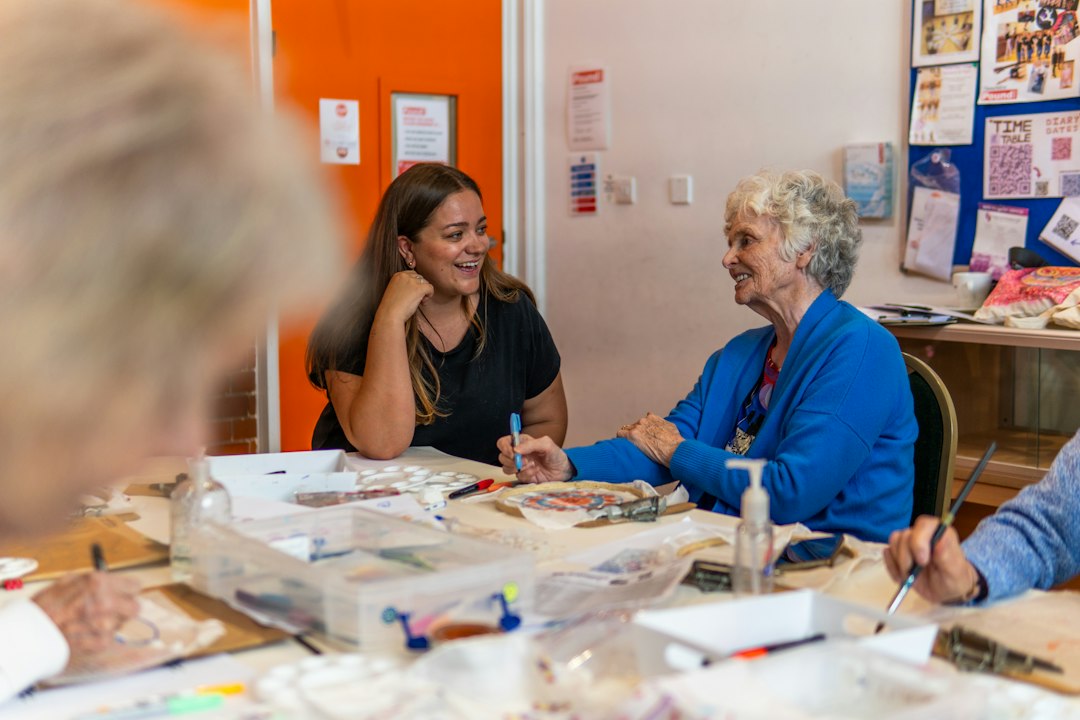

Walking into a room where everyone else is chatting comfortably can be intimidating. Whether it’s a book club, walking group, choir, volunteer organization, or community class, it’s easy to assume you’re the only newcomer and that everyone else has known each other for years—in other words, it’s easy to feel like an outsider.
The reality is often quite different. Almost every group has been built one new member at a time.
Remember That Every Regular Was Once New
It’s easy to look around and think everyone belongs except you. But if you asked the people who’ve been attending for years, many would remember feeling exactly the same way during their first visit. When they first arrived, they were likely greeted by the same image of friends in a familiar space while feeling like an intruder.
But then someone invited them over. Someone introduced themselves and some others. Someone saved them a seat at the next session.
The comfort you see today usually came gradually, not instantly.
Choose Groups Built Around Shared Interests
One of the easiest ways to meet people is to start with something you’d genuinely enjoy even if you didn’t know anyone there. That could be anything you’re passionate about:
- a gardening club
- a local history society
- a knitting or quilting group
- a photography club
- a hiking group
- a soup kitchen
- a library discussion group
Groups based around shared interest have an established common ground. If you don’t know what to talk about, you can always default to that shared interest.
Give It More Than One Visit
The first meeting is usually the hardest because everything is unfamiliar. You’re learning names, figuring out how the group works, feeling out the space, and wondering where you fit in.
By the second or third visit, though, faces become more recognizable, conversations begin where the previous ones left off, and the room evolves from a gathering of strangers into a meeting of like-minded acquaintances—and hopefully, over time, into friends.
See Out One Conversation, Not Ten
It’s easy to feel pressured to meet everyone when encountering a gathering. But trying to do this can lead to quick overwhelm—you have to remember names and faces without anything else to attach to them. And they don’t really get to know you, either.
Instead, focus on having one good conversation. Ask someone how long they’ve been part of the group, what first brought them there, what they enjoy most about it, and whether there are other activities they recommend.
People generally enjoy talking about the groups they’re involved in, and those conversations unfold much more naturally than a series of cursory introductions.
Small Acts Help You Feel Part of the Group
Belonging isn’t only about conversation. Sometimes it’s built through small actions that show you’re committed:
- arriving a few minutes early
- helping set out chairs
- offering to tidy up afterward
- welcoming another newcomer
- remembering someone’s name the following week
These simple gestures create goodwill—and camaraderie— surprisingly quickly.
Don’t Compare Yourself to Long-Time Members
When a group has been together for years, it’s natural that members share stories and inside jokes. Rather than seeing that as a barrier, think of it as evidence that lasting friendships can grow there. Given enough time, you’ll have your own shared experiences and familiar conversations too.
You May Be More Welcome Than You Realize
Many established groups are genuinely pleased when someone new joins. New members bring fresh ideas, unique experiences, and new conversations. While people may not always know the perfect way to make introductions, that doesn’t mean they aren’t happy you’re there.
Often, the hardest part is simply walking through the door the first few times. Soon enough, you may find your apprehension transforming into anticipation.
Why This Matters
Joining a new group takes courage, but it also creates opportunities for friendships, learning, and community that can last for years. Every familiar face was once unfamiliar, and every close-knit group began with strangers’ willingness to put themselves out there.