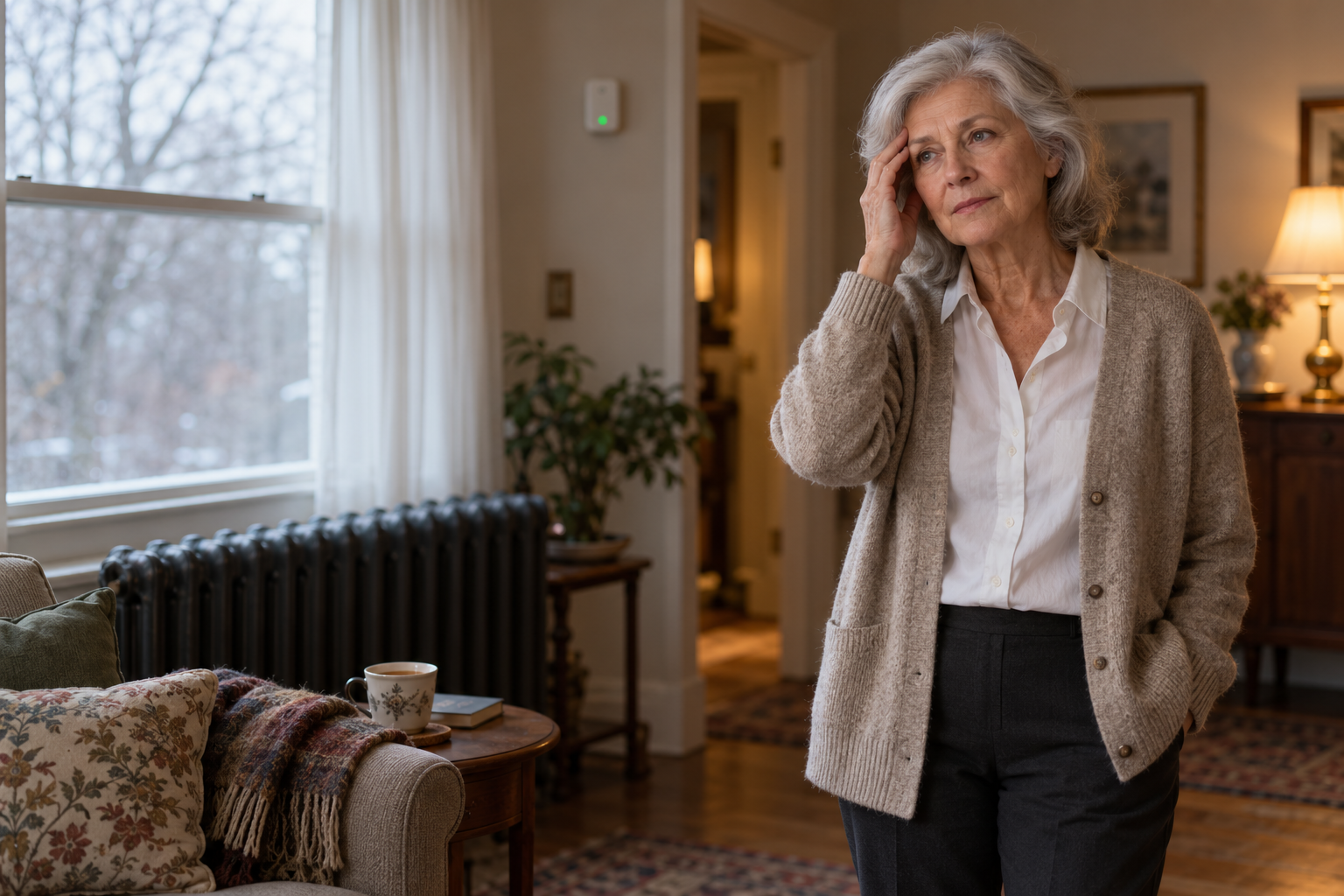
It starts the way a lot of winter illnesses start. A dull headache. A little dizziness when you stand up. Some queasiness, a tired feeling that does not lift. You assume it is a bug going around, take it easy, and go to bed early.
Sometimes that is exactly what it is. But every year, for a few hundred Americans, those same symptoms are the only warning they get before carbon monoxide takes over.
The furnaces are coming on across the country right now. That makes this the right week to talk about it.
Why It Fools So Many People
Carbon monoxide is a gas you cannot see, smell, or taste. It is produced whenever fuel burns: natural gas, propane, oil, wood, charcoal, gasoline. A properly working furnace sends it safely up the flue. A cracked heat exchanger, a blocked chimney, or a generator running too close to the house sends it into the rooms where you live.
The U.S. Consumer Product Safety Commission puts the early symptoms plainly: they are “similar to the flu, but without the fever.” Headache, tiredness, shortness of breath, nausea, lightheadedness. The CDC adds weakness, stomach upset, chest pain, and confusion to the list.
Here is the part that matters most for people our age. In its surveillance reports, the CDC has noted that the carbon monoxide death rate is highest among adults 65 and older, and offers a reason: the symptoms “often resemble those associated with other health conditions common among older persons.” A headache, some fatigue, and an unsettled stomach look a lot like a dozen things you already have a name for. So the exposure goes undetected, and people go back into the house.
The Numbers Behind the Warning
According to the CDC, more than 400 Americans die each year from unintentional carbon monoxide poisoning not connected to a fire. More than 100,000 visit an emergency room, and more than 14,000 are hospitalized.
The pattern is seasonal and it is stubborn. A CDC analysis of 2010 through 2015 found the highest number of deaths each year came in winter. The Consumer Product Safety Commission, which tracks deaths tied to consumer products like furnaces and generators, found that in 2022 nearly two thirds happened in the four coldest months, November through February. The agency also reports a statistically significant upward trend in these deaths over the past decade.
Two sources account for most of it. Portable generators are the single largest, often during power outages after a storm. Home heating systems are second. And most of these deaths happen at home.
Four Things Worth Doing This Month
None of this requires a contractor or a big check. It mostly requires remembering.
1. Put a carbon monoxide alarm near every sleeping area. The CDC recommends a battery-operated or battery-backup model, and suggests considering one with a digital readout. The CPSC adds that alarms should be on every level of the home, and that interconnected alarms are best because when one sounds, they all sound. If you already have alarms, check the date on the back. The CDC says to replace them according to the manufacturer’s instructions, or every five years.
2. Check the batteries when the clocks change. The CDC ties this to daylight saving time for a reason: it is easy to remember. Clocks fall back on November 1 this year. Test the alarm the same morning.
3. Have the furnace serviced before the deep cold. The CDC recommends a qualified technician inspect heating systems, water heaters, and any other gas, oil, or coal-burning appliance every year. Chimneys should be checked annually too, since a blocked flue is one of the most common ways carbon monoxide backs up into a house. After a snowstorm, make sure the outside vents are clear.
4. Keep the generator far from the house. If you own one, the rule from both agencies is the same: never run it inside a home, garage, basement, or shed, even with the doors and windows open. Outdoors only, at least 20 feet from any window, door, or vent, with the exhaust pointed away. Newer models with an automatic carbon monoxide shutoff are worth looking for.
A few more habits that cost nothing: never warm up the car in an attached garage, even with the door up. Never use a gas oven to heat the house. Never bring a charcoal grill or a camp stove indoors.
If the Alarm Goes Off
The CPSC’s instructions are short, and they are in this order on purpose.
Do not go looking for the source. Get everyone outside to fresh air right away. Call 911 or the fire department. Count heads once you are out. Do not go back in until responders say it is safe.
And if you feel those flu-like symptoms with no fever, treat that as information rather than an inconvenience. Get outside, call for help, and tell the doctor you suspect carbon monoxide. The CDC’s guidance to physicians lists two clues that point away from an ordinary illness: no fever, and more than one person with the same complaints. The flu does not usually hit a whole household in the same hour. A leaking furnace does.
The Bottom Line
Carbon monoxide gives almost no warning, and the warning it does give looks like something ordinary. The defense is simple and it is mostly done once a year: an alarm near the bedroom, fresh batteries on November 1, a furnace check before the cold sets in, and a generator that stays outside.
One alarm and a Saturday morning. It is one of the better trades you will make this winter.