There is a reason winter feels like a minefield of scratchy throats and sneezing coworkers. Cold and flu season is real, and for adults our age, it carries a bit more weight than it used to.
The good news is that you are not helpless. There are concrete, practical things you can do right now to give your body the best chance of staying well.
Why Our Immune Systems Need Extra Attention
As we get older, the immune system becomes less effective. According to the National Institute on Aging, our bodies may respond more slowly to infections and may not respond as well to some vaccines. That is why respiratory illnesses can become more serious for older adults than for younger people.
This does not mean you will get sick every winter. But it does mean being proactive matters more now than it did thirty years ago.
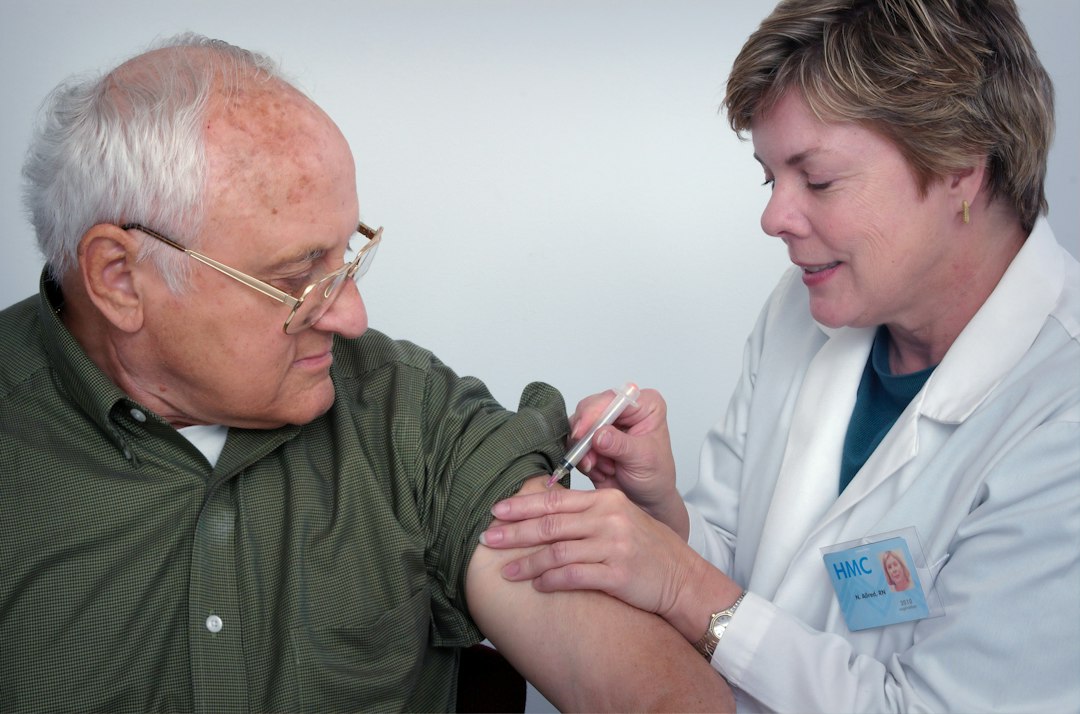
Vaccines Are the Foundation
Before we get to food and lifestyle, one thing needs to be said clearly: the CDC says healthy habits and vaccines work together. One does not replace the other.
For adults 65 and older, the CDC recommends specific flu vaccines: Fluzone High-Dose, Flublok, or Fluad. Moderna’s mRNA-based flu vaccine, mFLUSIVA, is also approved for this age group and for adults 50 and older. Ask your doctor or pharmacist whether you are up to date. You may be able to get several vaccines in a single appointment.
Medicare covers many important preventive vaccines at no cost, including flu and COVID vaccines. If you start feeling cold or flu symptoms, call your provider promptly. Antiviral treatments for influenza and COVID-19 work best when started soon after symptoms begin.
What Actually Supports Your Immune System
Despite what supplement ads may promise, there is no single vitamin or formula that magically boosts your immunity. In fact, more immune activity is not always better; an overactive immune response can cause harm. The real goal is a healthy immune system that responds appropriately when it needs to.
What supports that? A handful of everyday habits that work together over time.
Eat Well, and Keep It Varied
Focus on vegetables, fruits, whole grains, protein, and healthy fats. Variety matters more than finding one so-called superfood. When you are tired or short on time, frozen vegetables and canned beans make nourishing meals easy to pull together.
A few foods worth keeping on your regular rotation:
- Oranges, berries, and bell peppers — rich in Vitamin C, which supports immune cells and protects them from damage
- Carrots and sweet potatoes — high in beta-carotene, which the body converts to Vitamin A to help maintain your skin and tissue barriers
- Salmon and sardines — good sources of protein and Vitamin D; canned fish works just as well in sandwiches
- Mushrooms — contain selenium and Vitamin D; easy to toss into soups or stir-fries
- Yogurt — provides Vitamin D and live cultures that help regulate the immune system; mix with fruit or nuts for a simple breakfast
- Beans and lentils — deliver protein and zinc, which supports immune cell growth; stir into soups or salads
- Nuts and seeds — a source of Vitamin E, which helps protect immune cells from damage; try sprinkling over oatmeal
If you are thinking about supplements, talk with your provider or pharmacist first. Supplements tend to help most when they correct a real deficiency. High doses of certain nutrients can actually be harmful, and some interact with medications.
Keep Moving
The CDC recommends that adults 65 and older aim for 150 minutes of moderate activity each week, plus strength and balance exercises. A walk around the neighborhood, a dance class, gardening, or chair exercises all count. Start where you are comfortable and build gradually.
If longer sessions feel like too much right now, try what some call exercise snacks, short bursts of movement woven into your day. Standing up from a chair five times instead of once. Taking the stairs a little more briskly. Small moments add up.
Protect Your Sleep
Older adults still need 7 to 9 hours of sleep each night, the same as younger adults. If sleep is a struggle, a few adjustments can help:
- Go to bed and wake up at the same time every day
- Avoid heavy meals, caffeine, nicotine, and alcohol close to bedtime
- Keep naps short, about 15 to 20 minutes, and early in the day
- Wind down with a book, soft music, or gentle breathing exercises
- Put your phone and other screens away about an hour before bed
If pain or sleeplessness keeps persisting, that is worth a conversation with your health care provider.
Ease Stress Where You Can
Stress is genuinely common among older adults: caregiving, grief, loneliness. And it takes a real toll. Chronic stress raises cortisol levels, which can worsen inflammation and lower the white blood cells that help fight off respiratory viruses. One study found that people who experienced more stress showed signs of an immune system that had aged faster.
You do not have to eliminate every worry. Even small things help: a short walk, a conversation with someone you trust, a few deep breaths. Choose what feels restorative to you.
Stay Hydrated
Dehydration can impair immunity and slow recovery from illness. Older adults are more prone to it because thirst tends to decrease with age, the body holds less water, and some medications increase fluid loss.
Drinking fluids regularly throughout the day helps. And it does not have to be plain water — tea, milk, and soup all count. If your provider has told you to limit fluids because of a health condition, follow their guidance.
Watch Smoking and Alcohol
According to the CDC, smoking damages the lungs and impairs the body’s defenses against respiratory infections. If someone in your household smokes, asking for help quitting is one of the most protective things they can do.
Heavy alcohol use can also weaken the immune system by lowering white blood cell count and disrupting how those cells function. Limiting or avoiding alcohol supports your body’s ability to stay strong.
A Few More Winter Basics
Beyond eating well and staying active, a few common-sense steps lower your exposure to winter viruses:
- Wash your hands regularly
- Improve indoor airflow when possible
- Avoid close contact with people who are sick
- Consider a well-fitting mask in crowded indoor spaces
Researchers also found that cooler temperatures weaken some of the nose’s natural defenses, which may partly explain why respiratory infections are more common in winter. Spending more time indoors around others adds to that exposure risk.
None of this is complicated. It is just a matter of building a few good habits before the season gets going and knowing that the steps you take today really do make a difference.