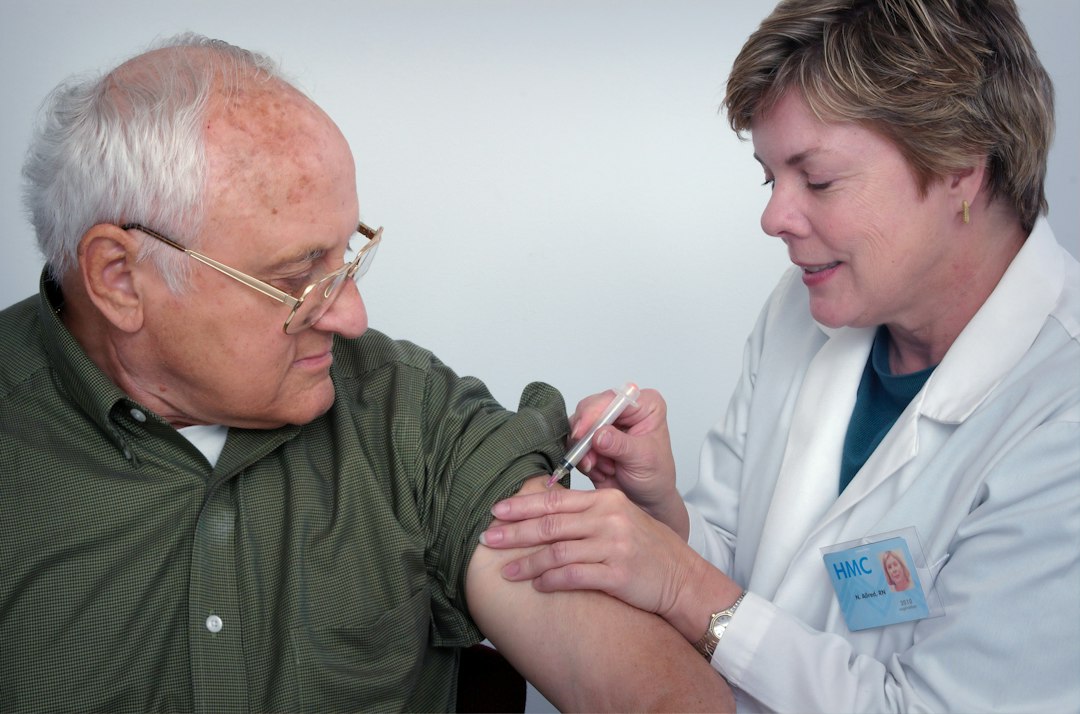
Here is something worth knowing before your next doctor visit. Medicare and Medicaid cover most of the vaccines recommended for older adults, and in most cases, you pay absolutely nothing out of pocket.
That includes the big ones: flu, COVID-19, shingles, RSV, pneumococcal, hepatitis B, and Tdap. The key is knowing which part of Medicare covers which shot, and making sure you go to the right place to get it.
Which Part Covers What?
Medicare is split into parts, and that affects how vaccines are billed. Here is the short version:
Medicare Part B covers flu shots, COVID-19 vaccines, pneumococcal vaccines, and hepatitis B vaccines for people at medium or high risk. These are billed directly through your medical coverage, not your drug plan.
Medicare Part D covers shingles (Shingrix), RSV, and Tdap (the vaccine that protects against tetanus, diphtheria, and whooping cough). These go through your prescription drug coverage.
A Quick Look at Coverage and Cost
| Vaccine | Medicare Coverage | Medicaid Coverage | Typical Out-of-Pocket Cost |
|---|---|---|---|
| Flu | Part B | Yes | $0 |
| COVID-19 | Part B | Yes | $0 |
| Pneumococcal | Part B | Yes | $0 |
| Hepatitis B | Part B (eligible adults) | Yes | $0 |
| Shingles (Shingrix) | Part D | Yes | $0 |
| RSV | Part D (eligible adults) | Yes | $0 |
| Tdap | Part D | Yes | $0 |
Medicaid also covers all of these vaccines for most eligible beneficiaries, generally with no cost-sharing. Coverage details can vary by state and eligibility group, so it is worth checking with your state Medicaid program if you have questions.
How to Make Sure You Pay $0
Getting a free vaccine is straightforward, but there are a few steps worth taking first:
- Find out whether your vaccine falls under Part B or Part D.
- Go to a provider or pharmacy that accepts your Medicare coverage and can bill it correctly.
- Before you roll up your sleeve, confirm that the provider is in-network and ask whether you will owe anything.
- If you have Medicare Advantage, check your plan’s specific network requirements.
If you skip these steps and go to a provider that does not accept your coverage, you may be billed, or you may have to pay up front and ask for reimbursement later.
What About Shingles?
The shingles vaccine is one that a lot of people in our generation have put off, often because of the cost. That should not be a barrier anymore. Medicare Part D covers Shingrix at no cost when it is in your plan’s network. Medicaid covers it too, for most eligible adults.
Shingrix is the only vaccine used in the U.S. to help prevent shingles, a painful viral rash that affects about 1 in 3 people in the country. Your risk goes up as you get older. The CDC recommends that healthy adults age 50 and older get two doses of Shingrix, spaced two to six months apart. The vaccine is more than 90 percent effective at preventing shingles and the long-term nerve pain that can come with it.
Adults age 19 and older with weakened immune systems are also recommended to get Shingrix. For them, the two doses can be given just one to two months apart. If you have a kid or grandkid with a weakened immune system, keep that in mind.
What About RSV?
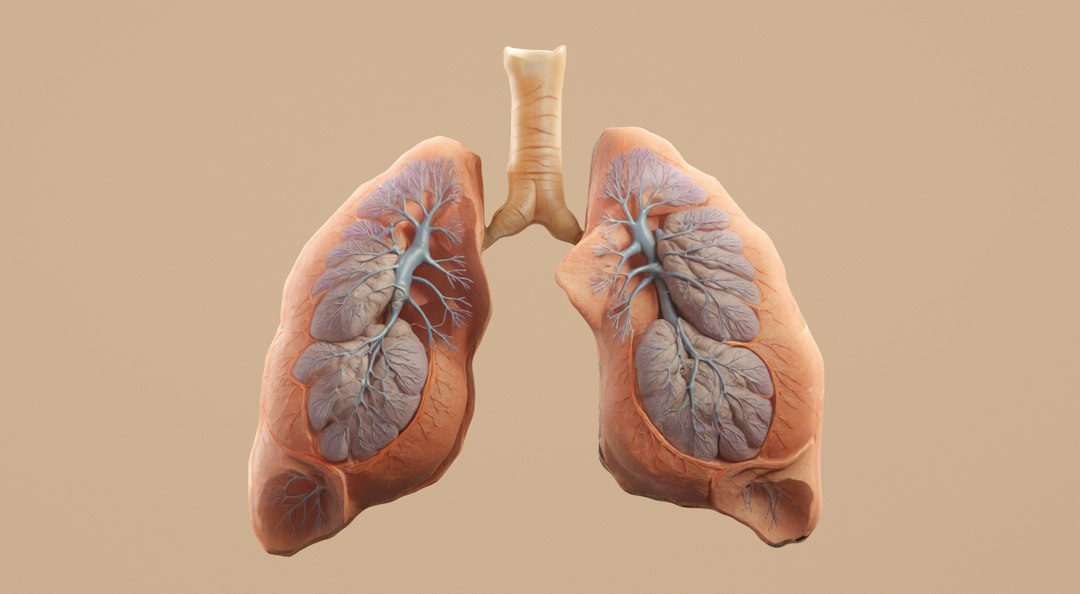
RSV stands for respiratory syncytial virus. It is a common respiratory illness that usually causes mild cold-like symptoms. Most people recover within a week or two. But for older adults, it can turn serious.
RSV symptoms typically appear four to six days after exposure and can include fever, congestion, a runny nose, sore throat, and a barking cough. If you are age 75 or older, or between 50 and 74 with health conditions that put you at higher risk, ask your doctor or pharmacist whether the RSV vaccine makes sense for you. Medicare Part D covers it for adults who meet the recommendations.
The Bottom Line
In the past, many older adults skipped important vaccines simply because they could not afford them. That is no longer the reason to wait. Medicare and Medicaid have made most recommended vaccines available at no cost for eligible beneficiaries.
Talk to your doctor, pharmacist, or health care provider about which vaccines are right for you. Your health history and any underlying conditions may affect what is recommended. When in doubt, check with your Medicare or Medicaid plan before your appointment.