Every region has its food traditions. And most of us will defend our hometown favorites to anyone who raises an eyebrow. But travel far enough from home, and you will find dishes that truly stop outsiders in their tracks.
These six foods are deeply loved where they come from. Outside their home turf, though, they tend to cause a lot of head-scratching. Let’s take a look.
Surströmming — Sweden
This Swedish dish is salted, fermented herring. It comes sealed in a tin that is often bloated and misshapen, a side effect of the fermentation process continuing inside the can.
The smell is famously intense. Opening a can indoors is not recommended. Swedes suggest doing it outside, or even submerging the can in a basin of water first. Videos of people trying it online almost always go sideways for this very reason.
When prepared correctly, the fish is cleaned, deboned, and sometimes skinned. What remains is soft, salty, and rich with umami flavor. It is typically served with buttered bread or boiled potatoes. Think of it as a very pungent relish with centuries of history behind it.
Beans on Toast — United Kingdom
British food gets a rough reputation abroad, and there are plenty of local dishes that puzzle visitors. But one of the most baffling to Americans is also the simplest: tinned baked beans spooned over buttered toast.
The beans are haricot beans cooked in a tomato-based sauce. That is truly the whole dish. It does not sound like much. But it recently ranked fifth in a YouGov survey of Britain’s favorite meals, right up there with roast chicken and fish and chips. Sometimes simple just works.
Fairy Bread — Australia and New Zealand
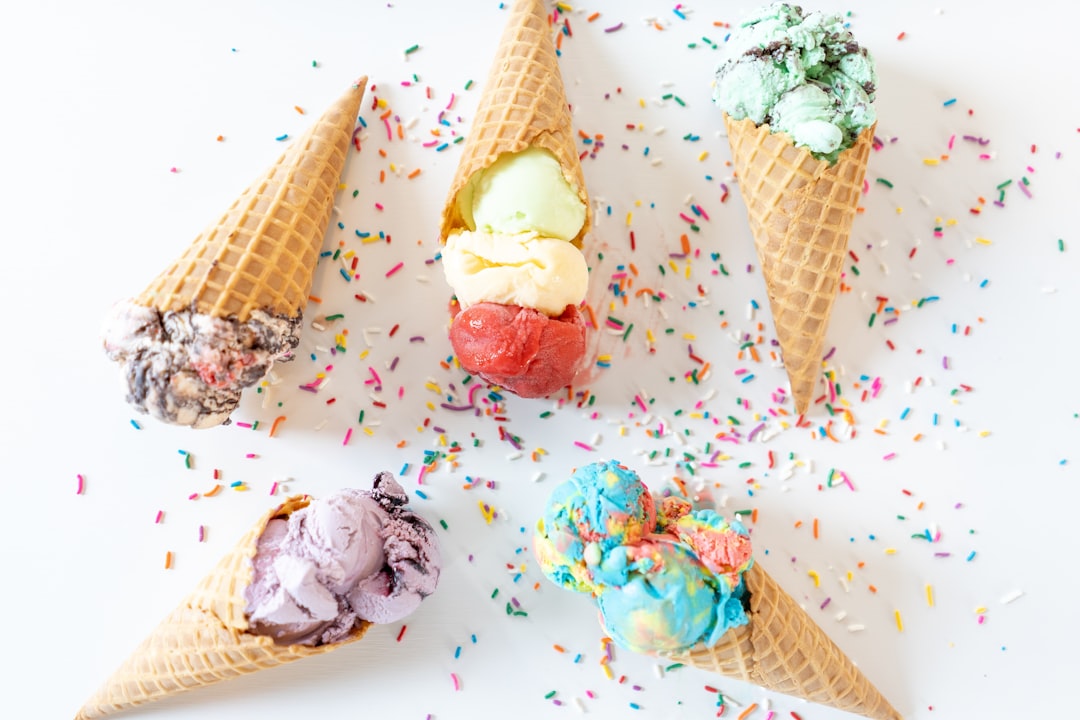
Children across Australia and New Zealand grow up with this one. Fairy bread is white bread spread with butter and topped with colorful sugar sprinkles called “hundreds and thousands” locally, which gives you a sense of just how many sprinkles are involved.
It is a staple at kids’ birthday parties and special occasions. The dish became iconic enough that Google honored it with a Doodle on November 13, 2021, marking the birthday of author Robert Louis Stevenson. He apparently coined the name “fairy bread” in an 1885 poem, though the actual practice of putting sprinkles on bread seems to have appeared in the 1920s.
Alaskan Ice Cream (Akutaq)
The local Yupik name is akutaq, and it can look like a colorful berry sorbet. But dairy is hard to come by in the high Arctic, so this is not ice cream in the traditional sense.
Instead, it is made by whipping animal fat with berries and sometimes a bit of snow to give it that cold, creamy texture. The specific ingredients vary widely by location. Coastal communities might use walrus tallow or seal oil. Inland recipes often call for moose or caribou fat. Some versions include flakes of dried pike or freshwater whitefish. It is deeply tied to what the land and sea provide.
Garbage Plate — Rochester, New York
The name alone raises questions. But in Rochester, New York, the Garbage Plate is a point of local pride.
A typical serving piles hamburger or hot dog meat, or both, on top of fried potatoes, tinned beans, macaroni, and sliced bread. The dish dates back to the first half of the 20th century. According to the story, customers at Nick Tahou Hots restaurant in Rochester started asking for a plate with “all the garbage” on it. The restaurant obliged, and the combination stuck.
Tête de Veau — France
French cuisine is famous for using every part of the animal, and tête de veau is no exception. The name translates to “calf’s head.”
The whole head is deboned, then rolled into a sausage-like shape. It can be roasted or poached, then served in slices. You will find it on the menu at traditional French bistros and at local butcher shops and markets. Outsiders tend to balk at the description. Locals consider it a classic.
Whether it is sprinkles on buttered bread or fermented fish in a bulging tin, every one of these dishes tells you something real about the place it comes from. Food has always been one of the most honest windows into any culture and sometimes the most surprising ones are the most worth trying.