Grocery prices are not getting any friendlier. So if you have ever come home with a bag of wilted greens, a mealy peach, or a receipt that made your eyes water, you are not alone. The good news is that professional chefs shop differently, and their tricks are surprisingly simple.
We rounded up the six biggest produce mistakes chefs say they see all the time. Fix even a couple of these, and you will spend less, waste less, and eat much better.
Skip the Pre-Cut Vegetables
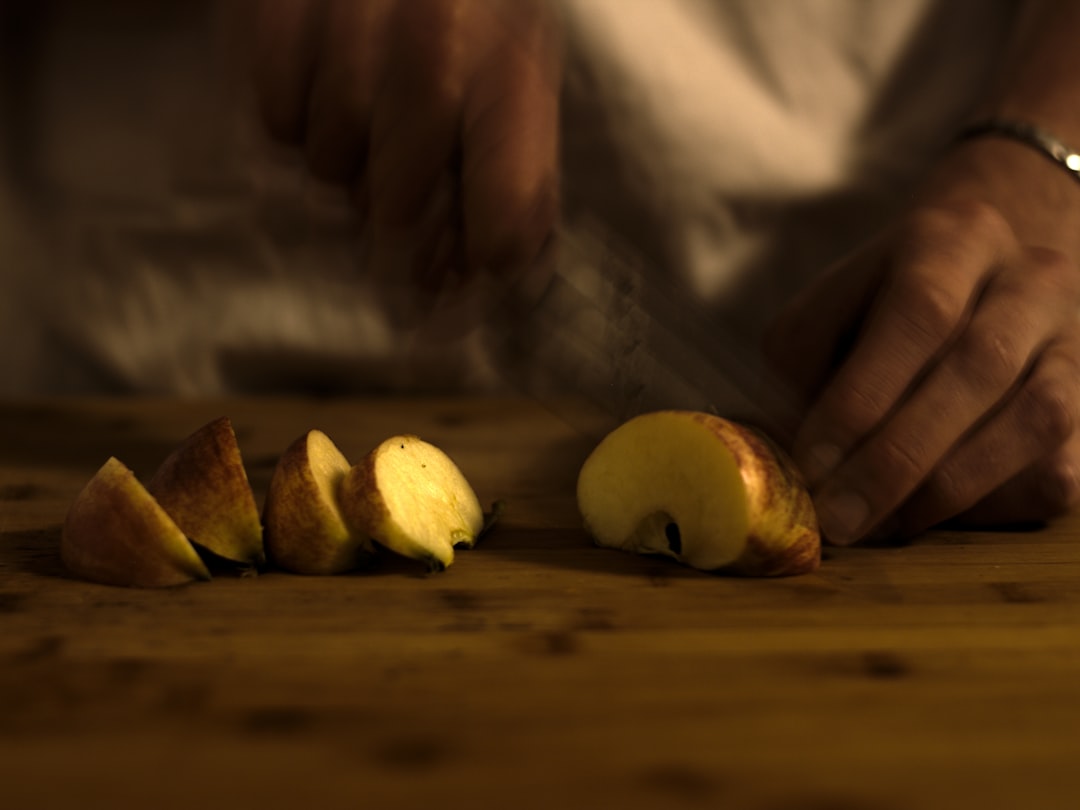
Those neat little trays of diced onions and spiralized zucchini are tempting when you are in a hurry. But Bill Peet, executive chef of Tavern On the Green in New York City’s Central Park, says it is a costly habit. He warns that pre-cut vegetables can run three or four times the price of whole produce and they are usually less fresh and ripe on top of it.
A few minutes with a knife at home puts that money right back in your pocket.
Do Not Write Off the Farmers Market
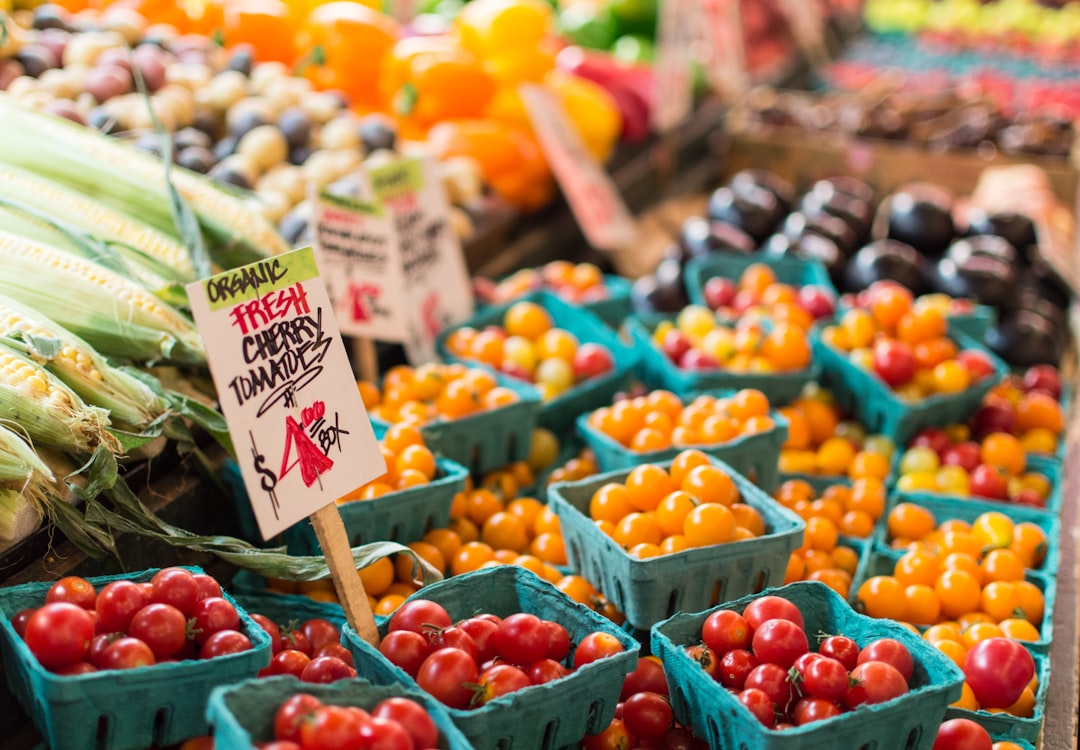
A lot of folks assume farmers markets are pricier than the grocery store. Chef Michael Gallina, co-owner of Take Root Hospitality, says that is not always true anymore. He has noticed that major retailers have raised their prices significantly, while many local farmers and smaller producers have kept prices more stable on staples like eggs, meats, and produce.
It is worth stopping by your local market and comparing. You might be pleasantly surprised.
Know Which Fruits Ripen and Which Just Rot
This one trips up a lot of shoppers. Eve Aronoff, chef and owner of Frita Batidos, explains that some produce keeps ripening after you bring it home, while other produce simply deteriorates once it is picked.
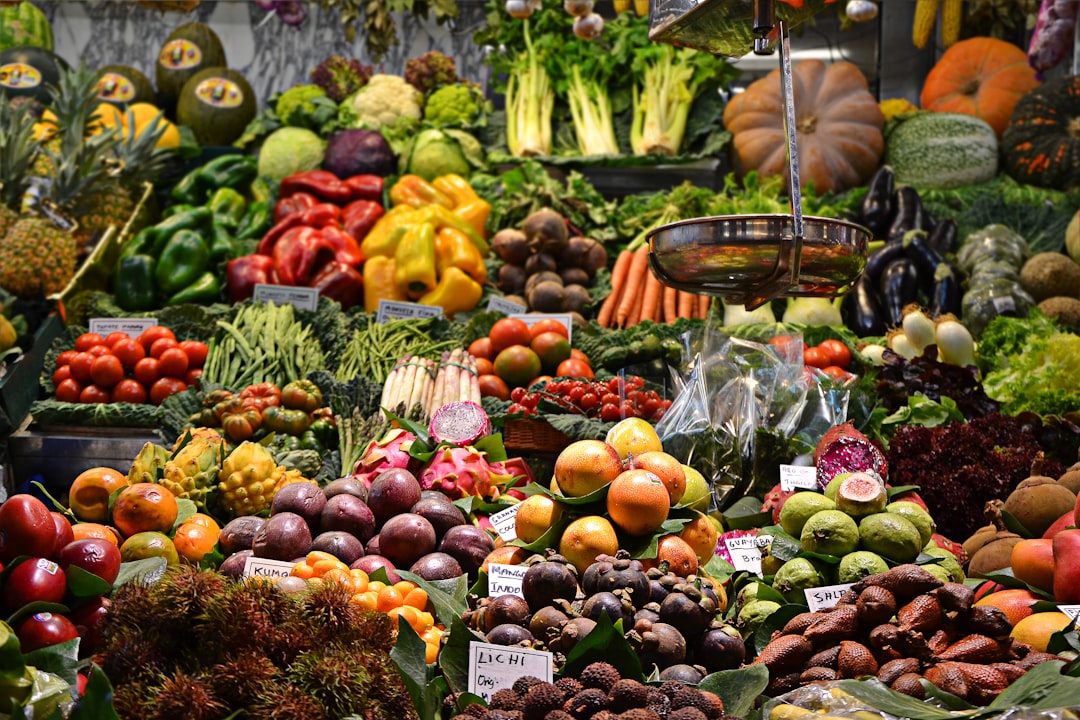
Fruits that continue to ripen at home include bananas, peaches, plums, tomatoes, avocados, and cantaloupe. Fruits that do not ripen further and will just go bad include strawberries, pineapple, grapes, and cherries.
Knowing the difference helps you choose the right ripeness level at the store and eat everything before it turns.
Leave a Little Wiggle Room in Your Shopping List
Walking into the store with a fixed recipe list is one of the most common mistakes chefs see. Chef Patrick Rebholz, vice president of culinary and operations at Yardbird Southern Kitchen + Bar, says seasonal produce is almost always fresher, tastes better, and costs less because supply is naturally higher.
Chef Ethan Stowell, founder of Ethan Stowell Restaurants, takes a similar approach. He does not decide what he is cooking until he sees what looks good and what is on sale. That flexibility, he says, can save a lot of money over the course of a week.
Buy Only What You Will Actually Use
For a one- or two-person household, it is easy to over-buy. Victor Vasconcellos, executive chef at Berimbau Brazilian Table in New York, says the fix is simple: think realistically about what you actually cook during the week before you put anything in the cart.
And be careful with those “Manager’s Special” discounts on produce. Luis Fayad, executive chef of jm Curley, Bogie’s Place, and The Wig Shop in Boston, says sale produce is marked down because it is near the end of its shelf life. Buy only what you can use within the next few days, or you will end up throwing it away anyway.
Store Your Berries the Right Way
Berries are expensive, and most of us are storing them wrong. Chef Kelly Courtney says the plastic clamshell containers they come in are not your friend once you get home.
Her advice: wash strawberries, blueberries, and blackberries as soon as you get home, then air-dry them and store them in a single layer in the fridge. Skip washing raspberries entirely, they are too delicate and will not recover. Instead, lay them flat on paper towels or parchment paper and refrigerate right away.
It takes an extra five minutes. But your berries will stay plump and fresh all week, and you will not be tossing half the container by Thursday.