Spring has always meant more than just warmer days and blooming gardens. For much of human history, it meant survival — new crops, new livestock, a new chance to make it through another year. No wonder people developed so many rituals and beliefs around its arrival.
Some of these spring superstitions go back to ancient times. Others are still practiced today. Here are eleven of them from cultures around the world.
Kill the First Snake You See
Scottish folklore held that killing the first adder of spring would bring good luck and help you triumph over your enemies. Miss your chance? That was said to summon misfortune instead. Snakes tend to emerge as the weather warms after their winter dormancy, which may be why they became such a loaded symbol of the season.
Count Your Spiderwebs
Here is one that might make you feel better about that web you spotted in the corner of the porch. According to an old springtime belief, the more spiderwebs you see in spring, the better your fortune will be in autumn. Spiders have long been connected in folklore to good luck, prosperity, and even protection — one old folktale describes spiders weaving a web at the entrance of a cave to shield the Holy Family from danger.
Pour Porridge Into the Sea
Scotland has another springtime tradition that is a little harder to picture. In late spring — sometimes called Shore Thursday or Maundy Thursday — people would pour a pot of porridge into the ocean. The idea was that it would draw seaweed to shore. Seaweed was considered a valuable and nutritious resource, so this was a practical wish dressed up in ritual.
Watch Out for the Cuckoo
Not all springtime birdsong was considered a good omen. In some Scottish traditions, hearing a cuckoo call early in the morning was thought to bring misfortune. To protect themselves, some people tucked bread under their pillows at night and made sure to eat breakfast the moment they woke up.
Set a Snowman on Fire
Switzerland has its own way of saying goodbye to winter: burning a snowman named the Böögg. The tradition goes back at least to the 16th century and may have even older roots in pagan practices meant to drive out the cold. According to those who still carry out this ritual, the faster the snowman’s head explodes in the fire, the warmer the coming summer will be.
Drown the Goddess of Winter
Poland has a similar tradition with a darker edge. An effigy of Marzanna — the Slavic goddess of winter, plague, and death — is paraded through the streets, set on fire, and then thrown into the water. The important rule: do not look at it once it hits the water.
History professor Beata Wojciechowska of Jan Kochanowski University explains it this way:
“Getting rid of this symbol of winter deadness was considered a dangerous act. The hostile force which was being destroyed could reveal its destructive powers even at that very last moment of its existence.”
Tie a Ribbon to a Tree
In Romania, the arrival of spring is celebrated with a holiday called Mărțișor. People wear small trinkets threaded with red and white strings. Tying those strings to trees is believed to bring good luck and help wishes come true.
Leave Flowers for the Fairies
In Celtic and pagan traditions, spring — especially around May 1, known as May Day or Beltane — was when fairies were said to be most active in the human world. Leaving primrose flowers on your doorstep was believed to invite fairies who would bless the home. But if those flowers wilted and died, you were said to be in trouble.
Hawthorn trees were thought to be doorways to the fairy realm. You could ask one for a blessing — but you were strongly advised to stay away after dark. Fairies were said to gather there at night, playing enchanting music to lure people into the Otherworld.
The Double-Edged Daffodil
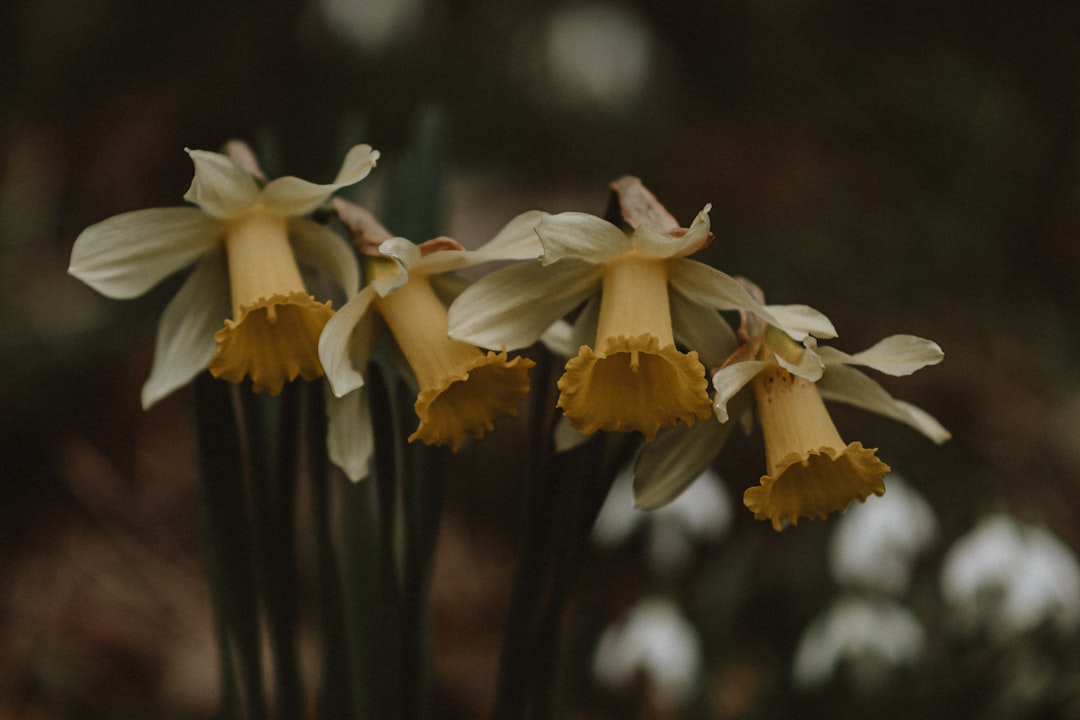
Those cheerful yellow flowers that push up through the last of the snow carry a complicated reputation in old European tradition. Finding the first daffodil of the year was said to guarantee good luck for the months ahead. But giving someone a single daffodil — just one — was considered bad luck. Better to bring the whole bunch.
It makes a certain kind of sense. Daffodils are toxic if eaten, yet they are among the first flowers to survive winter’s end. Hope and danger in the same bloom.
Balance an Egg on the Equinox
Chinese legend holds that eggs can be balanced upright on the spring equinox, a phenomenon tied to the position of the sun. Successfully balancing one is linked to good fortune for the year ahead.
Science does not back up the equinox connection — but here is the interesting part: eggs really can sometimes be balanced upright, thanks to tiny abrasions on the shell. It just takes patience. Worth trying on a slow spring morning.
Let the Animals Do the Forecasting
Animals have always been part of spring folklore — and some of it turns out to be grounded in real behavior. Bears and other mammals really do emerge from hibernation as the season shifts. Groundhog Day, when a groundhog’s shadow is said to predict how much longer winter will last, may have roots in older pagan traditions that read late winter weather as a sign of what was coming.
There is also a long-standing folk belief that croaking frogs signal incoming rain. As it turns out, that one has some truth to it. Frogs lay their eggs in water, so male frogs tend to start calling loudly for a mate just before rain arrives. The old-timers were onto something.
Eleven traditions, dozens of centuries, and one thing in common: a deep human wish to welcome the warmth back and keep the good things coming. Spring has always felt like a fresh start — and apparently, we have always wanted a little extra help making sure it arrives on time.