
That little blue book in your drawer is more powerful than you might think. The U.S. passport currently ranks 10th on the Henley & Partners Passport Index, one of the most respected rankings of its kind. It gives American travelers visa-free access to 179 destinations worldwide.
That includes countries requiring a simple Electronic Travel Authorization or a visa on arrival, both of which are far easier than a traditional visa application. For most trips, all you really need to do is make sure your passport is current before you book.
How Long Can You Stay?

Visa-free does not mean unlimited time. Every country sets its own rules, and they vary quite a bit. Heading to Mexico? You can stay up to 180 days. The Bahamas allows tourism visits of up to eight months. Albania is especially generous; you have up to a year before you need a residency permit.
It is always worth checking the specific rules for wherever you are headed. A quick visit to the U.S. Department of State’s travel website covers the details for every country.
A Big Change Coming to Europe
If Europe is on your bucket list, here is something you will want to know about. Americans can currently travel to most European countries without a visa; Russia is a notable exception. But that is about to come with one new step.
The European Commission plans to launch the European Travel Information and Authorization System, known as ETIAS, by the end of 2026. Once it is up and running, travelers from visa-exempt countries like the U.S. will need to apply for an ETIAS authorization before visiting any of the 30 participating countries.
The good news is that it is not complicated. The fee is €20, which works out to roughly $23. Once approved, the authorization is linked to your passport and remains valid for 3 years, or until your passport expires, whichever comes first.
With an approved ETIAS, you can visit any of those 30 countries for up to 90 days within any 180-day period. You can leave and come back as long as you stay within that limit.
When a Visa Is Required
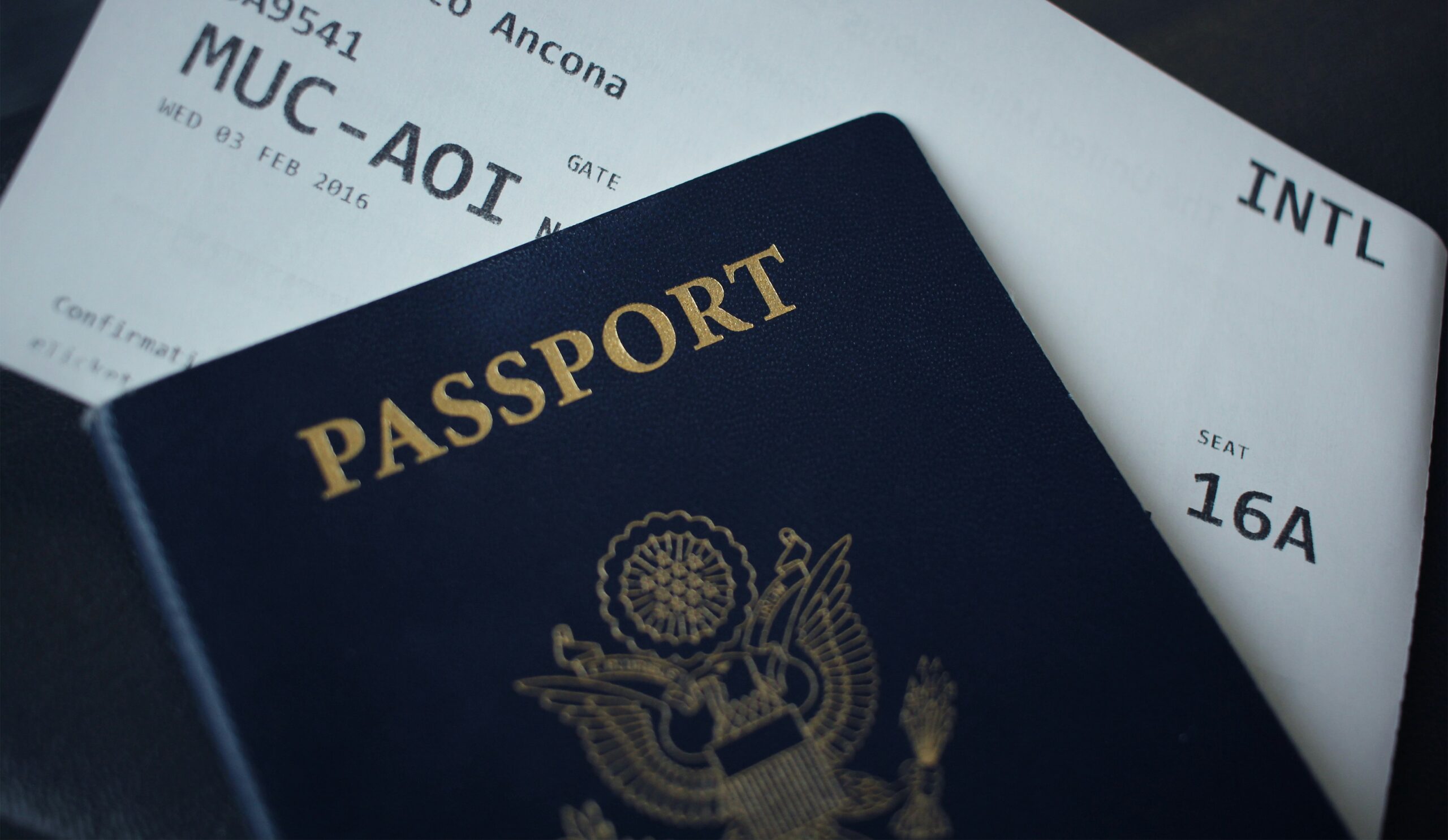
Some destinations do require a traditional visa. China, for example, requires U.S. passport holders to visit an embassy, consulate, or visa processing center in person. India makes it easier with an online e-visa program. Either way, the process can take time and cost money, so plan ahead.
A handful of countries (including Egypt, Indonesia, Laos, and the Maldives) offer visa-on-arrival programs. No advance approval needed. You simply apply when you land.
To find out exactly what any destination requires, the Henley & Partners Passport Index lets you search by passport country. The U.S. Department of State’s travel website goes even deeper with country-by-country details.
The world is largely open to American travelers. A little homework before you book can make the whole journey smoother, and let you focus on the fun part.