
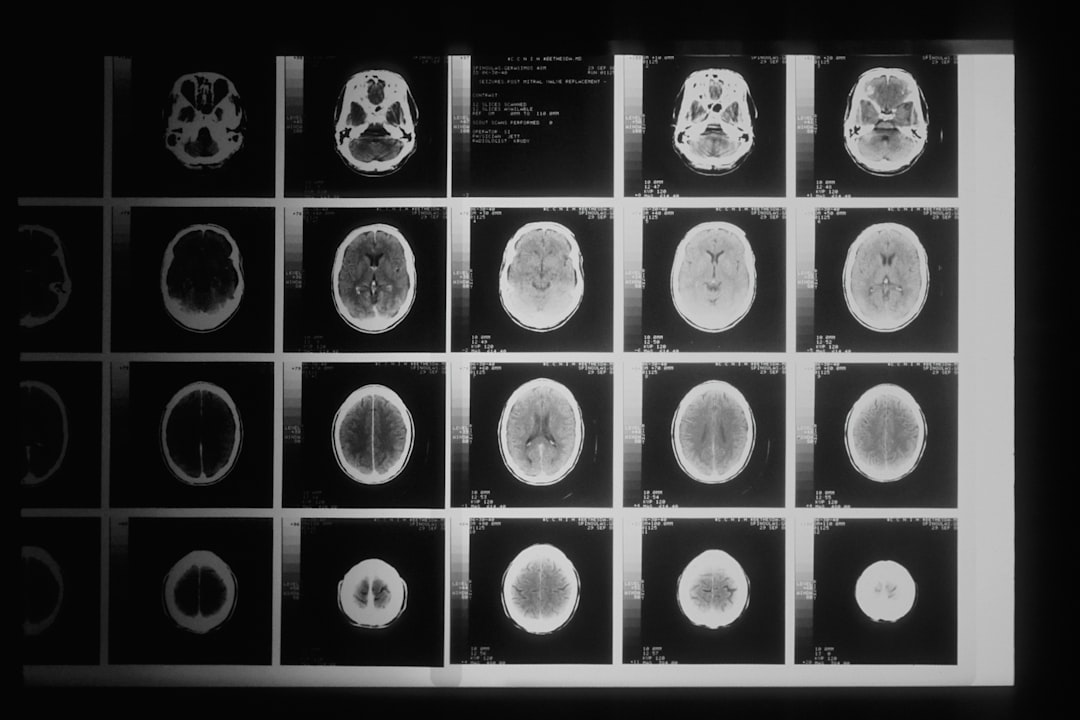
If you have been struggling to get a good night’s sleep, you are not alone. And now, researchers are saying that kind of sleep trouble may actually be connected to the very early stages of Alzheimer’s disease.
A new study led by the University of Kentucky offers a fresh look at this link. And the picture it paints is striking.
What Happens Inside the Brain
Alzheimer’s disease is known for something called tau tangles. These are clumps of a protein that build up and damage brain cells. They disrupt the communication between those cells — and that is what leads to the memory and thinking problems most of us associate with the disease.
But according to this research, those tau tangles may also be connected to why so many people with early Alzheimer’s cannot seem to sleep well.
Here is how the researchers describe it: the brain essentially hijacks all its available glucose to produce a chemical called glutamate. Over and over again. That process keeps the brain’s system switched on when it should be winding down.
Your Brain, Stuck in Overdrive
The result? The brain cannot reach the deep, restorative stages of sleep that are so important for recovery and memory formation. The researchers described it as the brain behaving “like a petulant toddler” — refusing to settle down and rest.
That is not just a colorful phrase. It points to something real that many of us in our generation have experienced firsthand: lying awake, mind racing, unable to drop into that deep, restful sleep we remember from younger years.

Why This Research Matters
For a long time, poor sleep in older adults was often treated as just a normal part of aging — something to put up with. This study suggests the connection may run much deeper than that.
The University of Kentucky researchers say their findings offer a major clue to the relationship between Alzheimer’s and cognitive decline. Sleep problems, they suggest, may be one of the earliest signals that something is changing in the brain.
That does not mean every restless night is cause for alarm. But it does suggest that persistent sleep trouble is worth paying attention to and worth discussing with a doctor.
Science is still working to fully understand what causes Alzheimer’s and how to stop it. But research like this helps point the way. And it is a good reminder that sleep is not a luxury — it is one of the most important things we can do to protect our brains.